
To get to Serengeti National Park, travelers typically fly into Kilimanjaro International Airport (JRO) or Arusha Airport (ARK) in Tanzania. From there, you can...
Best Time to Visit Serengeti? Why September Stands Out
Visiting the Serengeti in September is ideal for witnessing the Great Migration as vast herds of wildebeest and zebras cross the Mara River, a dramatic highlight of Tanzania safaris. The dry season ensures excellent wildlife visibility, with animals gathering around waterholes and predators actively hunting. September also offers comfortable weather with cooler mornings and warm afternoons, making it perfect for game drives and walking safaris. This is one of the best times to explore key destinations like the Serengeti National Park and the nearby Ngorongoro Crater, providing diverse wildlife experiences. For nature enthusiasts, this month combines breathtaking scenery, high wildlife density, and fewer rain disruptions, making it an unforgettable safari adventure.
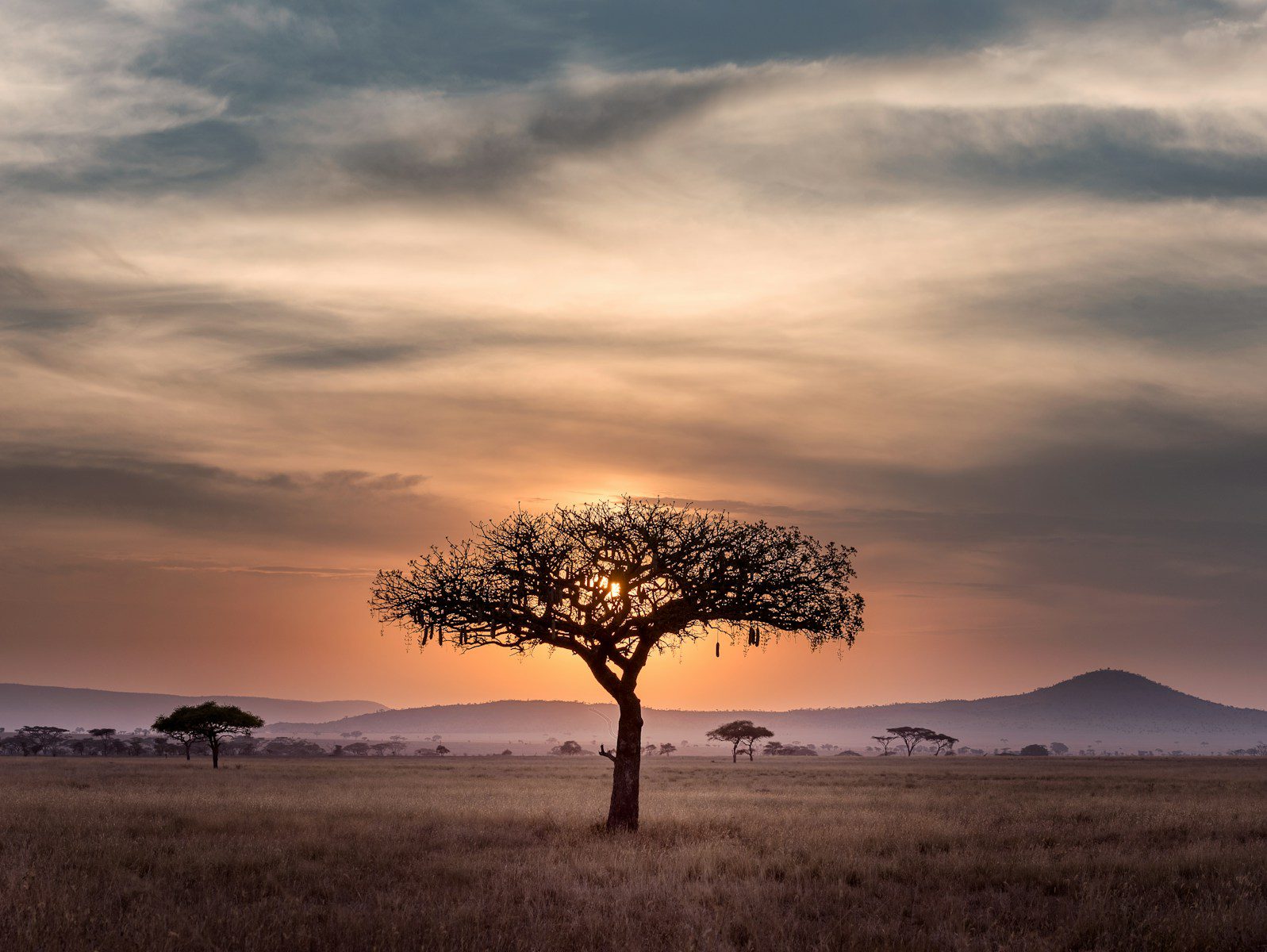
Why is September a good time to visit the Serengeti?
September is a great time to visit the Serengeti for several reasons, primarily tied to the season, wildlife, and overall experience. First, September falls at the end of the dry season, which means the landscape is clear, the grasses are short, and visibility is excellent for spotting animals. Unlike the wet season, when vegetation can grow tall and thick, the openness of the dry season in September makes it much easier to see wildlife on game drives or guided walks.
A major reason September stands out is that it’s one of the best months to witness the iconic Great Migration. During this time, huge herds of wildebeest, zebras, and gazelles are clustered in the Northern Serengeti as they cross the perilous Mara River into Kenya’s Maasai Mara. Witnessing hundreds or even thousands of animals braving the crocodile-infested waters is a dramatic and unforgettable sight.
Moreover, because September is outside the peak tourist summer months, it’s less crowded than July or August. You’ll still get to enjoy prime wildlife viewing but with fewer vehicles around, which makes the experience feel more intimate. Add to that the pleasant weather – with warm days, cool nights, and minimal rain – and September ticks all the boxes for an enjoyable safari.
For example, imagine sitting by your safari vehicle, watching a lion pride bask in the sunlight or a herd of elephants ambling across the plains. In September, moments like these are not only possible but highly likely. The combination of wildlife activity and ideal weather makes this month one of the best times to visit the Serengeti.
What is the weather like in the Serengeti during September?
The weather in the Serengeti during September is generally pleasant, as it falls in the dry season. Days are warm, sunny, and dry, while nights and early mornings can be cool or chilly. Daytime temperatures typically hover around 25°C to 30°C (77°F to 86°F), giving you comfortable conditions to enjoy game drives and outdoor activities. You won’t have to worry about heavy rain showers interrupting your plans, as this is one of the driest parts of the year.
The mornings and evenings can feel colder, with temperatures dropping to around 15°C (59°F) or even cooler in higher altitudes. You’ll likely need a light jacket or sweater for early game drives or evening gatherings at your campsite. It’s also worth noting that September is considered the tail end of the dry season, so many waterholes and rivers have started to shrink. This, however, works in your favor as wildlife tends to concentrate around these limited water sources, making animal sightings more frequent and predictable.
Because the dry season reduces humidity levels, the air feels fresh and not sticky or oppressive. You can enjoy long hours of outdoor exploration without feeling too tired or uncomfortable, as the climate is not stifling.
For example, you might find yourself comfortable enough to spend hours tracking a pride of lions or waiting patiently near the Mara River for a Great Migration crossing. With clear skies above, there’s also little worry about rainstorms, allowing for beautiful sunsets and excellent stargazing at night. The overall climate in September strikes a perfect balance for visitors looking to explore the wonders of the Serengeti.
What wildlife can you expect to see in the Serengeti in September?
In September, the Serengeti truly comes alive with incredible wildlife. It’s one of the best months for seeing a wide range of animals in their natural habitat. Most famously, it’s part of the Great Migration season, where millions of wildebeest, zebras, and gazelles are on the move. At this time, they’re in the northern region of the Serengeti, particularly around the Mara River, as they cross into the Maasai Mara in Kenya. These crossings are dramatic, with animals leaping into the crocodile-filled water and predators like lions and hyenas waiting nearby for an opportunity to hunt.
Apart from the migrating herds, you’ll also see the famed “Big Five”: lions, leopards, elephants, buffalo, and rhinos (though rhinos are quite rare). Lions are often spotted relaxing in the grass or preparing to stalk their prey. Leopards, though more elusive, can sometimes be spotted lounging in trees. The dry season in September brings animals closer to water sources, so elephants, giraffes, hippos, and antelope are frequently seen clustered around rivers and shrinking watering holes.
You can also expect to see cheetahs hunting on the plains, hyenas scavenging for food, and jackals dashing across the landscape. Birdwatchers will have plenty to observe too, as the Serengeti hosts a wide variety of bird species, from majestic eagles to colorful lilac-breasted rollers.
For instance, you might find yourself watching a family of elephants spraying water playfully at a shrinking river or hearing the distant roar of a lion claiming its territory. If luck is on your side, your guide might spot a leopard lounging on the branches of a big acacia tree. Wildlife diversity is at its peak in September, making the Serengeti a paradise for animal lovers.
Is September part of the Great Migration season in the Serengeti?
Yes, September is absolutely part of the Great Migration season in the Serengeti, and it’s one of the best months to witness this incredible natural phenomenon. The Great Migration refers to the annual movement of millions of wildebeest, zebras, and other animals as they search for fresh grass and water. These animals migrate in a clockwise pattern through the Serengeti in Tanzania and up into the Masai Mara in Kenya. It’s often called one of the “Seven Natural Wonders of the World” for good reason, it’s breathtaking to see!
In September, the migration is generally moving through the northern Serengeti as the herds cross the Mara River. This is a famous and dramatic part of the migration because the animals face dangerous river crossings. Here’s where things get exciting: the river is filled with crocodiles, and the crossing herds must risk their lives to get to the other side. Many animals make it, but some unfortunately fall victim to the predators, creating this mix of survival and drama in nature.
For wildlife lovers, this is a must-see event. As a visitor in September, you can expect to see herds of thousands of wildebeest and zebras, as well as predators like lions, cheetahs, and crocodiles taking advantage of the situation. If you love photography or are fascinated by wildlife behavior, September is an amazing time to visit the Serengeti and witness this epic act of nature.
What are the best areas of the Serengeti to visit in September?
In September, the best place to visit in the Serengeti is the northern region, near the Mara River. This area is where the Great Migration is concentrated during this time of year. The northern Serengeti is a vast landscape of rolling hills, open savannah, and the powerful Mara River, which becomes the central hub of action in September. Watching the river crossings is one of the greatest highlights you can experience, as thousands of animals plunge into the water to make their way across.
You can also visit Lamai Wedge, a secluded region in the northern Serengeti located between the Mara River and the Kenyan border. This area is less crowded with tourists, offering a more peaceful safari experience while keeping you right in the thick of migration activity. The Lamai Wedge not only showcases migrating herds but also provides fantastic opportunities to spot predators like lions, cheetahs, and leopards.
Beyond the migration hot spots, another great area to visit in September is the Western Corridor, which borders the Grumeti River. While the main herds may not be here by September, this region offers stunning wildlife sightings, including giraffes, elephants, and crocodiles. You also might see some straggler herds that didn’t join the main migration.
No matter where you go, the Serengeti provides incredible safari opportunities, but the northern areas in September are truly the crown jewel for migration enthusiasts.
What types of safari accommodations are available in the Serengeti?
The Serengeti has a wide variety of safari accommodations, so there’s something for every type of traveler, whether you’re looking for budget-friendly options or luxurious stays.
One of the most popular types of accommodations is tented camps. Don’t let the word “tent” fool you, many of these camps are very high-end and feature comfortable beds, private bathrooms, and even outdoor showers. For instance, mobile camps are a fascinating option because they can move to follow the Great Migration, ensuring you’re always close to the wildlife action. Luxury mobile camps like “Serengeti Safari Camp” or “Nomad Tanzania” provide five-star service while keeping you immersed in the wilderness.
For a more permanent structure, there are beautifully designed lodges across the Serengeti, many of them located in scenic places like overlooking river valleys or open plains. These lodges usually offer perks like swimming pools, gourmet dining, and incredible sunset views. Some well-loved examples include Serengeti Serena Lodge and Four Seasons Safari Lodge. These are great for families or travelers who want more facilities during their stay.
For budget-conscious travelers, there are public campsites or basic-but-comfortable lodges as well. These accommodations provide the essentials, like sleeping arrangements, food, and guides, without all the luxury bells and whistles.
No matter what you choose, staying inside the Serengeti, or very close to it, is the best way to enjoy the early morning game drives or late-afternoon wildlife viewing sessions. Whether you opt for glamping, rustic campsites, or decadent lodges, there’s an unforgettable experience waiting for you in the Serengeti!
Are guided safaris recommended, or can you self-drive in the Serengeti?
Both guided safaris and self-driving are options in the Serengeti, but guided safaris are highly recommended, especially for first-time visitors. Think of the Serengeti as an enormous, wild national park (almost the size of a small country!) with endless grasslands, wildlife, and dirt roads. It’s breathtaking but also a bit overwhelming if you’re not familiar with it.
Guided safaris help you enjoy the experience without worrying about navigation. A professional guide knows the area like the back of their hand, so they can take you directly to where the animals are usually found. For example, guides have insider knowledge about where lions may be resting or where elephants might be gathering by the watering holes. They also know how to track the movement of the Great Migration, so they can position you to see it up close. Plus, guides can share fascinating facts about the habits and behaviors of the animals that you might not know otherwise.
If you choose to self-drive, you’ll need to do a lot of preparation. You’ll need a sturdy 4×4 vehicle because the roads are rough, especially after rains. Navigation can be tricky too, as there aren’t signs pointing to “Herd of Giraffes This Way”! You may spend a lot of time driving without seeing animals if you aren’t familiar with their habitats. Also, it can be unsafe, getting too close to some animals, like elephants or buffalo, is risky if you don’t know how to handle the situation.
A guided safari is also much more relaxing. You can just sit back, enjoy the view, and take photos while someone else handles the driving. However, if you’re very adventurous, confident with maps, and want total freedom, self-driving could be rewarding. Just remember, it’s harder and requires more experience.
In short, guided safaris are the preferred option for most people visiting the Serengeti, especially if your goal is to make the most of the trip without added stress.
What precautions should you take for a Serengeti trip in September?
When visiting the Serengeti in September, there are several precautions you should take to ensure your trip is safe, enjoyable, and healthy. First, let’s talk about health precautions. You’ll be in a remote area, so it’s best to visit a doctor before your trip. For example, malaria is present in this area, so you’ll likely need anti-malarial medication. You should also make sure your routine vaccines (like tetanus and hepatitis) are up to date. Bring mosquito repellent with DEET and wear long-sleeved clothing in the evenings to avoid bites.
Another important precaution is sun protection. September is dry and sunny, so you’ll want sunscreen, a hat, and sunglasses to protect yourself from the strong African sun. Dehydration can also be an issue, so make sure to drink plenty of water throughout the day, even if you don’t feel thirsty.
Safety-wise, remember that you’re in a wild animal reserve. Animals like lions, elephants, and buffalo roam free , this isn’t a zoo! If you’re on a guided safari, your guide will ensure you follow the rules, such as staying inside the vehicle and keeping a safe distance from animals. If you’re self-driving, make sure you fully understand the guidelines for behaving around wildlife. For example, never block animals’ paths or get out of your vehicle unless you’re in a designated area.
Lastly, pack appropriately. Even though it’s warm during the day, temperatures can drop significantly at night, so bring layers like a fleece or jacket. Comfortable, closed-toe shoes are a must too, especially for walking or exploring camps. And don’t forget to have all your travel documents in order, like your entry visa and permits to enter the Serengeti park.
In summary, precautions for your Serengeti trip boil down to planning ahead for health, keeping hydrated, protecting yourself from the sun, respecting wildlife, and packing sensibly.
Are there any cultural activities or local communities to visit near the Serengeti?
Yes! A visit to the Serengeti can be enriched by exploring the local cultures and communities nearby, such as the Maasai people. The Serengeti is not just home to incredible animals but also to vibrant, traditional communities, many of which have lived in the area for centuries.
The Maasai are the most well-known local group you can visit. They are a semi-nomadic tribe known for their colorful clothing (like their bright red shukas), intricate beadwork, and unique traditions. You can go on a cultural tour to a Maasai village (sometimes called a “boma”) to learn about their way of life. For example, you’ll see how they build their homes using sticks and mud, watch traditional dances, and hear stories about their customs and beliefs. One fascinating tradition is their relationship with cattle , cattle are central to the Maasai’s livelihood, culture, and economy.
In addition to learning about day-to-day life, the Maasai are also happy to share their knowledge of the land. They have lived near the Serengeti for generations, and their understanding of the animals, plants, and ecosystems is extraordinary. If you’re curious about how the Maasai coexist with nature, this is an excellent opportunity to ask.
Other cultural activities could include visiting local markets where you can buy handmade crafts like jewelry, woven baskets, or carvings. Your purchase not only gives you a unique souvenir but also directly supports the community.
For a deeper experience, there are programs where you can spend more time with local communities, maybe even helping with a project like building a school or supporting conservation initiatives. These cross-cultural exchanges leave both visitors and locals with lasting memories.
Learning about the people who call this region home adds depth to your Serengeti trip and reminds us that the area’s beauty isn’t just in its landscapes and animals, but also in its people.
What essential items should you pack for a Serengeti safari in September?
When packing for a Serengeti safari in September, you’ll want to consider the environment, weather, and activities you’ll be engaging in. The Serengeti has warm days, cooler mornings and evenings, and dry conditions during this time of year. Here’s a clear breakdown of what to bring to ensure you’re comfortable, safe, and prepared:
- Clothing: Pack lightweight, breathable clothing in neutral colors like beige, khaki, and olive green. These colors help you blend into the environment (bright colors might distract wildlife). Include long-sleeved shirts and lightweight long pants to protect you from the sun, insects, and scratches from bushes. Don’t forget layers, like a fleece jacket or sweater, because early morning game drives can be chilly. A wide-brimmed hat and sunglasses will protect you from the sun during the day.
- Footwear: Comfortable, sturdy shoes or boots are essential if you plan to do any walking safaris. Closed shoes can also prevent dust or bug bites. Additionally, a pair of lightweight sandals or flip-flops is useful for lounging back at camp.
- Health and Hygiene Products: Bring sunscreen with high SPF, insect repellent (preferably with DEET to ward off mosquitoes), hand sanitizer, and any personal medications. A basic first-aid kit with band-aids, antihistamines, pain relievers, and stomach remedies is a good idea. Remember to pack a reusable water bottle to stay hydrated.
- Gear: Binoculars are a must for spotting wildlife at a distance. A good-quality camera (with extra batteries and memory cards) is perfect for capturing images. A small daypack can hold your essentials during game drives.
- Documents and Money: Don’t forget your passport, itinerary, travel insurance, visa (if required), and some cash in US dollars for tips or small purchases.
By carefully packing these items, you’ll be prepared for a comfortable and unforgettable safari experience in the Serengeti!
How do you get to the Serengeti, and what are the transportation options?
Getting to the Serengeti involves a combination of international travel and local transport, depending on where you’re coming from. Here’s an easy explanation of the usual steps to help you plan:
- Fly to Tanzania: Most visitors fly into Kilimanjaro International Airport (JRO) near Arusha, a city in northern Tanzania. Some may also fly into Julius Nyerere International Airport (DAR) in Dar es Salaam if they’re planning to explore more of Tanzania. From these airports, you’ll make your way to the Serengeti.
- Domestic Flights to Serengeti: The quickest way to reach the Serengeti is by taking a domestic flight from Arusha to one of the Serengeti’s small airstrips. Flights are operated by airlines like Auric Air or Coastal Aviation and usually land in Seronera (central Serengeti), Kogatende (northern Serengeti), or other key spots during the Great Migration. Flights are pricier than other options but save a lot of travel time.
- Driving to Serengeti: If you prefer the scenic route, you can take a road trip from Arusha to the Serengeti. It’s about 325 kilometers (202 miles) and can take approximately 7–8 hours. Along the way, you may stop at attractions like Lake Manyara, Ngorongoro Conservation Area, or Tarangire National Park. However, prepare for bumpy roads, as some parts of the Serengeti are rough.
- Transport Inside the Serengeti: To explore the Serengeti itself, most visitors join guided safaris. These use specialized 4×4 vehicles (like Land Cruisers) that can handle the rugged terrain. If you’re experienced, self-driving is possible in the park, but guided safaris are recommended for first-timers to ensure safety and maximize chances of spotting wildlife.
Whether you travel by air or road, getting to the Serengeti is an adventurous and rewarding part of your journey!
What costs should you plan for when visiting the Serengeti in September?
A trip to the Serengeti can be one of the most incredible experiences, but it’s essential to budget carefully as there are several costs to consider. Here’s a breakdown of the expenses you’re likely to encounter:
- Park Fees: Visiting the Serengeti requires paying entry fees, which are around $70–$82 per adult per day (rates may vary depending on the area and season). These fees support park conservation efforts and are mandatory.
- Accommodations: Accommodation options range widely, depending on your preferences. Budget travelers can stay at campsites for around $20–$50 per night. Mid-range lodges or tented camps cost $200–$500 per night, while luxury lodges can exceed $1,000 per night. Choose a lodging option that suits your comfort level and budget.
- Guided Safari Costs: If you opt for a guided safari, expect to pay $150–$300 per person per day for the vehicle, guide, fuel, and sometimes meals. Private safaris generally cost more. Self-driving is a cheaper alternative, but you’ll still need to rent a 4×4 vehicle, which can cost $100–$200 per day.
- Transportation: Flights to Tanzania can cost anywhere from $800 to $2,000, depending on your starting point and when you book. Domestic flights to the Serengeti cost an additional $200–$400. Meanwhile, road transfers or rental cars provide a more budget-friendly option for getting to the park.
- Food and Drinks: Many accommodations include meals, but if they don’t, you’ll need to budget for dining costs. Snacks and drinks, especially alcohol, can add up if you’re staying in luxury lodges.
- Extras and Tips: Tips for guides, drivers, and lodge staff are usually expected. Plan on tipping $10–$20 per person per day for guides, $5–$10 for drivers, and $1–$2 for general staff. Souvenirs or unexpected expenses may also arise.
In total, a Serengeti safari trip in September can cost anywhere from $1,500 on the budget end to over $10,000 for a full luxury experience. By understanding these costs upfront, you can plan a trip that fits your budget and still delivers an unforgettable experience!
How To Book Your Tanzania Safari
So now you know why September is the perfect time to visit the Serengeti, what incredible wildlife experiences await, and how this magical month offers the best weather and game-viewing opportunities. Ready to turn this dream trip into a reality? It’s easy! Simply contact one of the Best Safari Companies in Tanzania to craft your unforgettable Serengeti adventure this September. Don’t wait, book now and prepare for the safari of a lifetime!