
To get to Serengeti National Park, travelers typically fly into Kilimanjaro International Airport (JRO) or Arusha Airport (ARK) in Tanzania. From there, you can...
The main things to do in Serengeti National Park include embarking on unforgettable Tanzania safaris to witness the iconic Great Migration, where millions of wildebeest and zebras cross the plains. Explore the vast savannahs on game drives to spot the Big Five, lions, elephants, leopards, rhinos, and buffalo, alongside other wildlife. Visit the Seronera Valley, known for year-round predator sightings, or marvel at the striking landscape of the Grumeti River. Don’t miss a hot air balloon safari for breathtaking aerial views at sunrise. Birdwatchers can enjoy spotting over 500 species, while cultural tours to nearby Maasai villages provide a deeper understanding of local traditions.
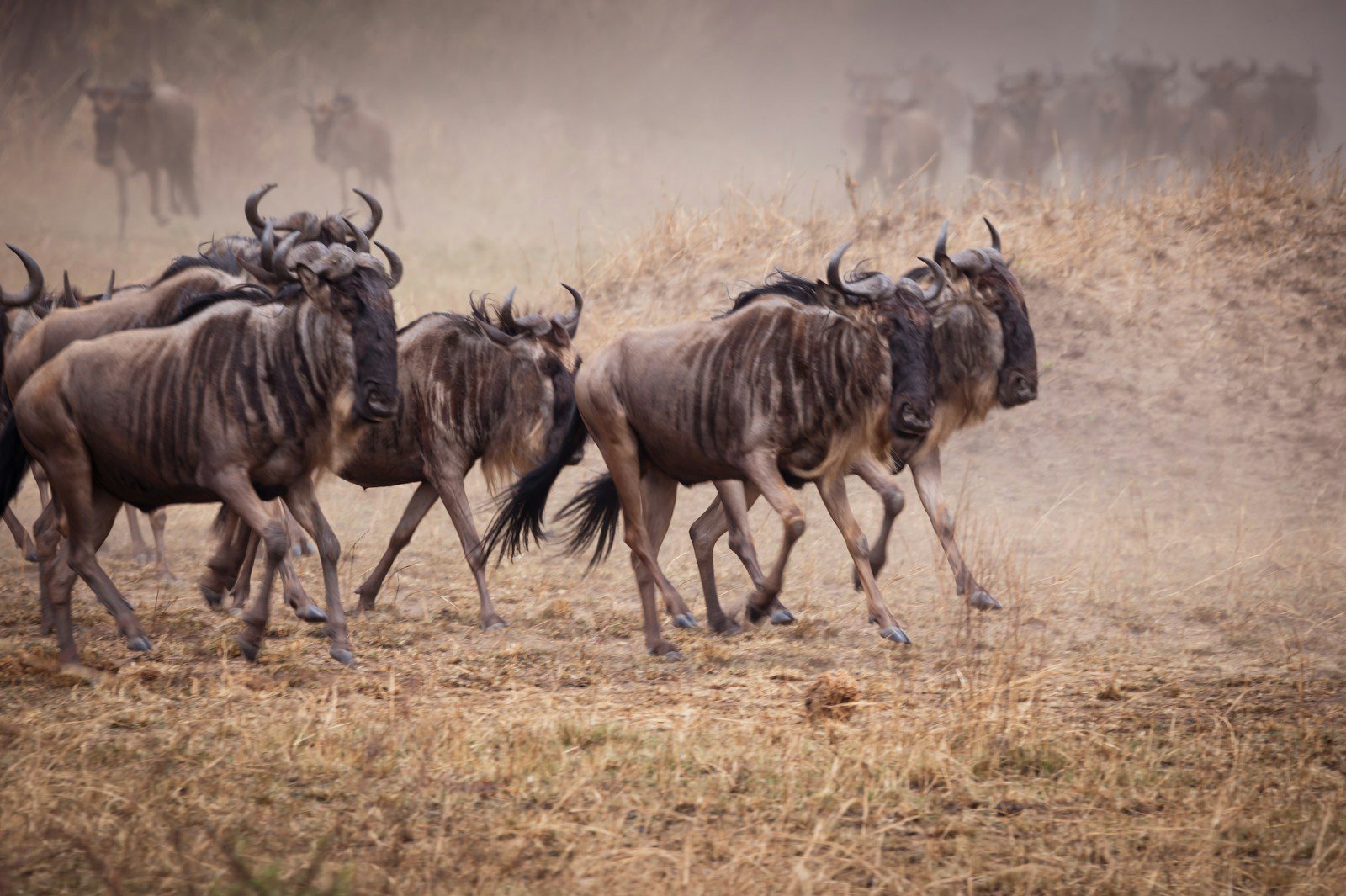
What are the best times of the year to visit Serengeti National Park?
The Serengeti National Park in Tanzania is an amazing place that you can visit throughout the year, but the best time to go really depends on what you want to experience. The Serengeti is famous for its incredible wildlife and the Great Migration, and different times of the year offer different highlights.
If you want to see the Great Migration, the best time is between June and October. During these months, millions of wildebeest, zebras, and other animals travel across the Serengeti in search of fresh grass and water. A really exciting part of this is the river crossings, especially over the Mara River, where animals face dangerous predators like crocodiles. This is often seen at its peak between July and September, and it’s one of the most dramatic wildlife spectacles on Earth.
If you’re interested in seeing baby animals and lush green landscapes, the wet season from December to March is perfect. This is when many animals give birth, so you’ll see a lot of tiny baby wildebeests and other young animals. It’s also a great time for birdwatching because migratory birds arrive, and the park turns into a rich, green paradise.
April and May are part of the long rainy season and the least popular for visitors. Roads can be muddy, and it may limit where you can go. However, if you don’t mind some rain and want fewer crowds, it’s a peaceful time to visit, with beautiful green scenery and lower prices for accommodation.
In short, the best times to visit depend on whether you want to see tons of animals moving around during the dry season (June-October) or enjoy calmer, greener landscapes and baby animals during the wet season (December-March). Even during the rainy months, the Serengeti is magical, so you can’t really go wrong.
What is the Great Migration, and how can I experience it in the Serengeti?
The Great Migration is one of the most incredible natural events on the planet, and it happens every year in the Serengeti and the nearby Maasai Mara in Kenya. Imagine over 1.5 million wildebeest, along with hundreds of thousands of zebras and gazelles, moving together in a massive circular journey across the plains. They’re searching for fresh grass and water, and their movement is a constant fight for survival because lions, cheetahs, hyenas, and crocodiles are always nearby, waiting to hunt them.
This migration isn’t just a simple journey; it’s a year-round event, where the animals move in different stages. For example, from December to March, you can witness calving season in the southern Serengeti, especially around the Ndutu area. During this time, thousands of babies are born, but predators are also very active, hunting these vulnerable newborns.
From April to June, the herds move to central Serengeti and western areas as they go toward the Grumeti River. The river crossing is thrilling to watch because predators like crocodiles lie in wait, and animals have to risk their lives to get across.
Between July and October, the herds reach the northern Serengeti and the Maasai Mara. This is when you’ll see the most dramatic and dangerous river crossings at the Mara River. It’s breathtaking but also heart-stopping as some animals don’t survive.
To experience the Great Migration, start by planning your trip based on where the herds are likely to be during that time of year. The Serengeti is well-organized for tourism, so you can book guided safaris or stay in luxury lodges, mobile camps, or even budget-friendly camping options close to the migration routes.
For the ultimate experience, some people opt for a hot air balloon safari to see the migration from above, which offers a unique perspective of the animals traveling together. Wherever you are in the park, the Great Migration is unforgettable and worth seeing at least once in your lifetime.
What types of wildlife can be seen in the Serengeti?
The Serengeti is home to a mind-blowing variety of wildlife, making it one of the best places in the world to see animals in their natural habitat. It’s most famous for the Big Five: lions, leopards, elephants, rhinos, and buffalo. These are some of the most iconic and majestic animals on the planet, and a Serengeti safari almost guarantees you’ll see at least a few of them.
Lions are especially abundant, you might even see pride lounging on the grass or hunting for prey. Leopards are harder to spot because they hide in trees and are usually solitary, but guides are great at finding them. Elephants, meanwhile, can often be seen in family groups, calmly walking or feeding on trees.
Besides these big species, the Serengeti is packed with thousands of other animals. It’s famous for its cheetahs, the fastest land animals, which can be seen sprinting to catch prey. Hyenas and jackals also roam the area, often scavenging for food. You’ll also spot giraffes gracefully eating leaves from tall acacia trees, hippos wallowing in rivers, and crocodiles lurking in the water.
During the Great Migration, millions of wildebeests and zebras dominate the landscape, and you’ll be amazed by their sheer numbers. Alongside them are gazelles, impalas, and other antelopes.
Bird lovers will also have a treat because over 500 bird species live in the Serengeti. From ostriches and eagles to colorful kingfishers and flamingos, there’s always something to see in the skies or near water.
Whether you visit during the dry or wet season, there’s always wildlife activity. The Serengeti is like stepping into a nature documentary, where every corner offers something fascinating.
Are guided safaris available in the park, and what are the options?
Yes, guided safaris are available in Serengeti National Park, and they’re one of the best ways to fully experience the park’s incredible wildlife and landscapes. A guided safari means you’ll have a skilled and knowledgeable guide who helps you spot animals, understand their behavior, and navigate the vast terrains safely.
There are several options for guided safaris to match different preferences and budgets. One popular option is the game drive safari, where you explore the park in an open-roof 4×4 vehicle driven by an expert guide. These can be private (just for you and your group) or shared with other visitors, depending on how much you’re willing to spend. Private drives offer a more personalized experience where the guide tailors the safari to your interests, while shared drives are more budget-friendly.
Another option is the walking safari, where you explore on foot with a ranger or guide. This is perfect for people who want to get closer to nature and notice things like tracks, birds, insects, and plants that are harder to appreciate from a vehicle. Walking safaris tend to be done in areas with fewer large predators for safety reasons.
For a more luxurious and unique option, there are balloon safaris, where you float over the Serengeti at sunrise, giving you a bird’s-eye view of the landscape and animals. This is perfect for spotting large groups of wildlife, like herds of wildebeest during the Great Migration, or observing how the entire ecosystem works together.
Finally, there are specialized safaris, such as photography safaris, led by guides focusing on helping you capture the perfect shots, or cultural safaris, which include interactions with local Maasai tribes near the park. Guided safaris offer something for everyone, whether you’re an adventurer, a wildlife photographer, or simply want to relax and enjoy the view.
What accommodation options are available in the Serengeti, including luxury lodges and camping?
The Serengeti offers a wide range of accommodation options to suit all types of travelers, from luxurious lodges with five-star amenities to simple campsites that immerse you in the beauty of nature.
For those seeking luxury, there are high-end lodges and tented camps scattered across the park. These lodges often include private suites, gourmet dining, swimming pools, and even spa treatments. For example, Singita Sasakwa Lodge provides a colonial-style luxury experience with stunning views of the plains, and Four Seasons Serengeti Lodge offers infinity pools while you watch elephants drink from nearby watering holes. Luxury tented camps, like Sayari Camp or Serengeti Under Canvas, offer a similar upscale experience but with the thrill of staying in the bush in tents equipped with proper beds, en-suite bathrooms, and even air conditioning in some cases.
For mid-range travelers, there are comfortable lodges and fixed tented camps that provide good amenities while staying affordable. Seronera Wildlife Lodge and Kubu Kubu Tented Lodge offer excellent value for the experience they provide. Guests in this category often enjoy basic comforts like private bathrooms, delicious food, and great locations near wildlife hot spots.
For adventurers on a tighter budget, the Serengeti also allows public campsites, where you bring your own tent or rent one. Facilities are basic, usually including shared bathrooms with cold water, but camping lets you hear the sounds of lions roaring or hyenas whooping at night, creating an unforgettable experience. Alternatively, there are more organized and slightly fancier “semi-luxury” camps, like Pumzika or Serengeti Tortilis Camp.
Many of these accommodations can also move seasonally, following the migratory herds of wildebeests and zebras, so you’re in the best position to see wildlife no matter when you visit. Whether you want to indulge or keep things simple, Serengeti accommodations ensure you’re surrounded by nature’s magic.
What should I pack for a trip to Serengeti National Park?
Packing for Serengeti National Park is all about being prepared for the climate, wildlife activities, and the time of year you’re visiting. Here’s a breakdown of essentials to pack for your trip:
- Clothing: Bring lightweight clothes in neutral, earthy tones like beige, green, or khaki (bright colors can scare away animals). Long-sleeved shirts, lightweight trousers, and a good sun hat protect you from the sun and bugs. For the cooler mornings and evenings, pack a warm fleece or jacket, it can get surprisingly chilly, especially during game drives. If you’re visiting during the rainy season (March to May or November), add a lightweight rain jacket.
- Footwear: Comfortable, closed-toe walking shoes or hiking boots are a must, especially if you’re doing walking safaris or bush treks. Flip-flops or sandals are handy for relaxing at your lodge or camp.
- Accessories: A good pair of sunglasses, a wide-brimmed hat, and sunscreen are essential to protect yourself from the strong African sun. If you’re going for photography, don’t forget binoculars and cameras with zoom lenses to capture animals from a distance (bring extra batteries and memory cards too).
- Practical items: Pack insect repellent for mosquitoes and other bugs, especially during dusk and dawn. A small first-aid kit with basics like painkillers, band-aids, and motion sickness pills for bumpy drives is helpful. If you’re camping, add a flashlight or headlamp (the Serengeti gets very dark at night).
- Travel documents: Carry your passport, park entry tickets, and a printed copy of your itinerary. Having cash (preferably in US dollars or local Tanzanian shillings) is useful for tips or small purchases.
- Miscellaneous: Many lodges offer drinking water, but bringing a reusable water bottle is eco-friendly and convenient. Adding snacks and energy bars is also helpful for longer game drives. Lastly, some people find a light blanket or compact travel pillow adds comfort during bumpy safari drives.
By packing strategically, you can stay comfortable and fully enjoy your incredible Serengeti adventure!
Are there specific rules or guidelines for visitors to follow within the park?
Yes, there are specific rules and guidelines for visitors in Serengeti National Park, and these are designed to protect the park’s wildlife, conserve the environment, and ensure visitor safety. Here’s a breakdown:
- Stay on designated roads and trails: Visitors must stick to the marked routes while driving during game drives. Off-road driving is prohibited because it damages the fragile ecosystem, including the plants and grasses that animals depend on.
- Don’t disturb the animals: Treat the animals like you’re in their home (because you are!). You should never feed, touch, or try to provoke wildlife. Feeding them can make animals reliant on people or even sick, and getting too close can stress or scare them.
- Stick to speed limits: Speed limits in the park are usually 50 km/h (around 30 mph) on major roads and even lower on smaller tracks. Driving too fast can frighten animals or result in accidents involving wildlife crossing the roads.
- Silence is golden: Avoid making loud noises or playing music. Silence is crucial to keeping the animals calm and allowing others to enjoy wildlife in peace. Respect the fact that many people want a serene, natural safari experience.
- No littering: Anything you bring into the park, you must take out. Even biodegradable trash like fruit peels can create ecological issues or attract animals to human areas.
- Observe park hours: Entering or staying in the park after sunset and before sunrise is prohibited unless you’re on a guided activity or staying in a designated lodge. This is to minimize disruption to wildlife behavior since many animals are nocturnal.
- Respect cultural sites and local communities: If guided to areas where tribes live or to cultural sites around the Serengeti, always seek permission before taking photos or interacting with the locals.
For example, if you’re enjoying a game drive and see a cheetah resting under a tree, remember to keep a decent distance (at least 25 meters). Serengeti National Park strives to keep its wildlife wild, so avoiding interference with their natural behavior is vital. Following the rules ensures everyone gets to enjoy and preserve this amazing place for generations.
What activities are available in the Serengeti besides game drives, such as balloon safaris or cultural experiences?
The Serengeti offers so much more than just traditional game drives! Here are some incredible activities to consider, each offering a unique view of the park and its culture:
- Hot Air Balloon Safaris: Imagine floating above the plains as the sun rises, with birds-eye views of lions, elephants, or even the Great Migration. Balloon safaris provide a serene and magical way to spot wildlife and appreciate the Serengeti’s vastness. After the ride, many tours include a champagne breakfast in the bush, which is unforgettable.
- Walking Safaris: Guided by experienced rangers, these safaris bring you up-close and personal with the park’s ecosystem. Without the buffer of a vehicle, you’ll notice things you might miss otherwise, like smaller creatures, animal tracks, and unique plants. Walking safaris are safe when done with a guide but are thrilling because you feel much more immersed.
- Cultural Experiences with the Maasai: The Maasai are a semi-nomadic tribe known for their colorful clothing, jumping dances, and rich traditions. Many tours include visits to Maasai villages, where you can learn about their way of life, family structures, and their close ties to the Serengeti. For example, you might get a chance to see how they make traditional beadwork or hear their stories about coexisting with wildlife.
- Bird Watching: The Serengeti is home to over 500 bird species, including the ostrich, secretary bird, and crowned crane. It’s like heaven for bird enthusiasts! Even casual observers can enjoy spotting colorful and rare birds while out on the plains or near water bodies.
- Photography Tours: Some companies offer safaris aimed at photographers, with specific times and angles in mind for capturing the best wildlife shots. Certain guides specialize in bringing you to prime locations during sunrise or sunset for stunning imagery.
- Night Game Drives: Though generally not allowed in most parts of the Serengeti, a few specific areas (like private game reserves nearby) offer controlled night drives. Here, you can spot fascinating nocturnal animals like hyenas, leopards, and porcupines.
These activities offer more than just wild animal sightings, they create deep, meaningful memories. For example, standing next to a Maasai elder as they teach you an ancient myth or marveling at the Serengeti as it wakes up from a hot air balloon can create moments you’ll never forget.
How can I get to and around Serengeti National Park?
Getting to and exploring the Serengeti takes some planning, but it’s well worth it. Here’s how you can do it step by step:
- Getting There by Air: The fastest way to reach the Serengeti is by flying. Most international visitors land at Kilimanjaro International Airport near Arusha, in northern Tanzania. From there, you can take a smaller domestic flight to one of the airstrips inside the park, like Seronera or Kogatende Airstrip. Flights are run by safari airlines such as Coastal Aviation or Air Excel.
- Getting There by Road: You can also drive from major Tanzanian cities such as Arusha or Mwanza. The drive from Arusha takes about 7-8 hours, so many travelers break up the journey with a stop at other attractions like Ngorongoro Crater. If you’re on a budget or part of a group safari, this is a common way to travel.
- Getting Around Inside the Park: Once inside the Serengeti, you’ll mostly travel on sturdy safari vehicles, which can handle the dirt roads and offer great views. Options range from group tours (cheaper) to private vehicles (where you get more control over your itinerary). Some camps and lodges even include game drives in their packages.
- Walking Safaris: For closer exploration, you’ll need a guide, as venturing on foot solo is dangerous due to wildlife.
- Chartered Flights: If you’re short on time or want to explore specific areas of the Serengeti, many luxury travelers opt for short-range chartered flights to avoid long road trips.
Example: If you’re in Arusha and want a seamless experience, you might fly into Seronera Airstrip, go on three days of guided game drives, stay at a luxurious lodge in Central Serengeti, and leave either by air or road.
The Serengeti is enormous (almost 15,000 square kilometers), so planning your transport is important. Whether by air or land, getting there and exploring the area is an adventure worth making sure you’re organized for!
What permits or fees are required to enter the park?
To visit Serengeti National Park, you need to pay entrance fees, which act as your “permit” to explore this incredible wildlife reserve. These fees help with the conservation of the park and ensure its upkeep. For adults, the daily entrance fee for non-residents is typically about $70-$80 USD per person. Children aged 5-15 pay a reduced fee of around $20-$30, while kids under five usually enter for free. If you’re a resident of Tanzania or East African countries, the fees are much lower because they have discounted rates for locals.
Keep in mind that the fees can vary depending on the exact area of the Serengeti you’re visiting. Some parts of the park, like the Ngorongoro Conservation Area nearby, might have additional fees if you plan to combine your visit. Always double-check the current prices as they can change year to year.
In addition to entry fees, some activities, like hot air balloon safaris or walking safaris, have extra charges because they are more specialized experiences. If you’re staying overnight in lodges, campsites, or other accommodation within the park, there are also camping or concession fees, which lodges or tour operators may include in your package.
Pro tip: These fees are typically collected at the park gate, and some gates allow payments in cash (Tanzanian shillings or US dollars) or via credit card. However, it’s always good to confirm with your tour operator or lodge ahead of time, just in case they have specific payment policies. Also, most tour companies take care of these fees for you if you’re booking a package, so it’s good to ask them what’s included.
Example: If you’re on a one-week safari, and you’re visiting the Serengeti for three days, plus another day at Ngorongoro, make sure you budget for entrance fees each day, because they are charged per day. Planning ahead ensures you’re ready for an unforgettable trip!
Are there any safety precautions or health considerations when visiting the Serengeti?
Yes, there are a few safety precautions and health considerations to keep in mind when visiting the Serengeti. The Serengeti is wild and remote, so staying safe and healthy involves a bit of preparation but is absolutely manageable.
The first key point to think about is health. Malaria is present in this region, so it’s highly recommended to take antimalarial medication before, during, and after your trip (ask your doctor about the best options). Bug spray or mosquito repellent is also essential to prevent mosquito bites (long-sleeved clothes can help too).
You should also check that you’re up-to-date on routine vaccinations like hepatitis A and typhoid, as they’re commonly recommended for travelers to Tanzania. Yellow fever vaccination might be required if you’re coming from a country where yellow fever exists, so carry your vaccination card just in case border authorities ask for it.
When it comes to food and water, stick to bottled or boiled water to avoid getting sick from contaminated drinking water. Only eat at reputable places to reduce the risk of foodborne illnesses.
For safety in the park itself, remember: Serengeti is not a zoo – it’s full of wild animals! Always stay inside your vehicle during game drives unless your guide says it’s safe. Never approach wild animals, no matter how calm they seem. Big animals like elephants and lions are unpredictable.
If you’re camping, follow any rules about disposing of food properly to avoid attracting wildlife into your area. Listen to the advice of guides or rangers, as they are trained to manage visitor safety.
Lastly, prepare for the African sun. Bring sunscreen, sunglasses, and a hat to protect yourself from exposure. Heatstroke can be real if you’re outdoors for long game drives without proper hydration, so drink a lot of water.
Example: Imagine you’re on safari and see a lion resting under a tree. It looks peaceful, but remember it’s still a powerful predator. Stay quiet and enjoy it from the safety of the vehicle instead of leaning out for a closer look. Small steps like these ensure everyone, including the animals, stays safe!
What local tribes or communities can visitors interact with near Serengeti National Park?
The Serengeti region is not only home to amazing wildlife but also to incredible local communities, particularly the Maasai people, who are one of the most well-known tribes in East Africa. Visitors often have opportunities to interact with them on cultural tours close to the park.
The Maasai are pastoralists, meaning they raise livestock such as cattle, sheep, and goats. They are famous for their distinctive red clothing (called “shúkà”), intricate beadwork jewelry, and their ability to jump high during traditional dances. Visiting a Maasai village, which is sometimes called a “boma,” provides a chance to learn about their daily lives, traditions, and practices.
For instance, you might see how they construct their homes (made from mud, sticks, and cow dung), observe a traditional dance, or even join in. Many Maasai also share stories about their semi-nomadic lifestyle and the deep respect they have for the land and wildlife, which is their home.
Aside from the Maasai, other tribes around the Serengeti include the Hadzabe and Datoga peoples. The Hadzabe are one of the last hunter-gatherer tribes in Africa, living in harmony with nature. They hunt with bows and arrows and gather fruits and honey from the environment to sustain themselves. Visitors sometimes spend time with them to see age-old survival techniques, and the Hadzabe are often happy to share their ways of life.
The Datoga are blacksmiths who craft tools and jewelry, often trading with the Hadzabe for food. Visitors can see how they work metal into knives or bracelets using methods that are hundreds of years old.
Example: If you go on a guided cultural tour, you might spend the day watching a Hadzabe hunter track an animal and hearing stories around their fire. The experience is both humbling and fascinating, as it connects you with a simpler way of life close to nature. Just remember, these experiences should always be respectful – support ethical tours that truly benefit these communities!
How To Book Your Tanzania Safari
Now that you know the exciting ‘what,’ ‘how,’ and ‘why’ of the amazing things to do in Serengeti National Park, from witnessing the Great Migration to experiencing thrilling game drives and breathtaking sunsets, it’s time to turn your dream adventure into reality. Ready to start planning? We’ve made it easy for you! Check out the Best Safari Companies in Tanzania to craft your perfect Serengeti experience. Don’t wait, explore, book, and prepare for an unforgettable safari!