
Mount Kilimanjaro offers multiple route options with varying difficulty levels and timeframes, typically ranging from 5 to 9 days Proper physical preparation and quality...
Kilimanjaro National Park, located in Tanzania, is a premier destination for those seeking to experience the iconic Mount Kilimanjaro, Africa’s highest peak. Known for its diverse ecosystems, the park offers activities such as mountain climbing, wildlife safaris, and guided treks through lush rainforests and alpine meadows. Visitors can explore unique flora and fauna, including elephants, colobus monkeys, and a variety of bird species. Perfect for Tanzania safaris, Kilimanjaro National Park combines breathtaking landscapes with adventurous excursions, making it a must-visit for nature lovers and thrill-seekers alike.

Where is Kilimanjaro National Park located?
Kilimanjaro National Park is located in Tanzania, a country in East Africa. Specifically, it is situated in the northern part of Tanzania, close to the border it shares with Kenya. Tanzania is well-known for its stunning wildlife parks and natural landmarks, and Kilimanjaro National Park is one of its most iconic destinations for hiking Mount Kilimanjaro.
The national park surrounds Mount Kilimanjaro, the tallest mountain in Africa and one of the most famous mountains in the world. This breathtaking area includes tropical savannas, montane forests, and mountains, showcasing the diverse Kilimanjaro national park ecosystem. Think of Tanzania as being in the middle of East Africa along the Indian Ocean coast, with Kilimanjaro National Park lying farther inland, near the Serengeti and Ngorongoro Conservation Area – other renowned national parks.
The closest major town to Kilimanjaro National Park is Moshi, which serves as the gateway to the park. Many visitors fly to Kilimanjaro International Airport, located about 45 minutes to an hour away from the park, making it convenient for those looking to explore the Kilimanjaro region.
In short, Kilimanjaro National Park is located in a scenic area in Tanzania’s northeast, near the Kenya border, and is surrounded by diverse ecosystems that are home to incredible wildlife and cultural richness, making it a must-visit for tourists.
What is the significance of Mount Kilimanjaro within the park?
Mount Kilimanjaro is the centerpiece of Kilimanjaro National Park, making it a famous destination for hikers and climbers worldwide. It stands as the tallest mountain in Africa at about 5,895 meters (19,341 feet), earning its place among the “Seven Summits.” Adventurers from all over the globe dream of conquering the summit, Uhuru Peak, while experiencing the various Kilimanjaro routes along the way.
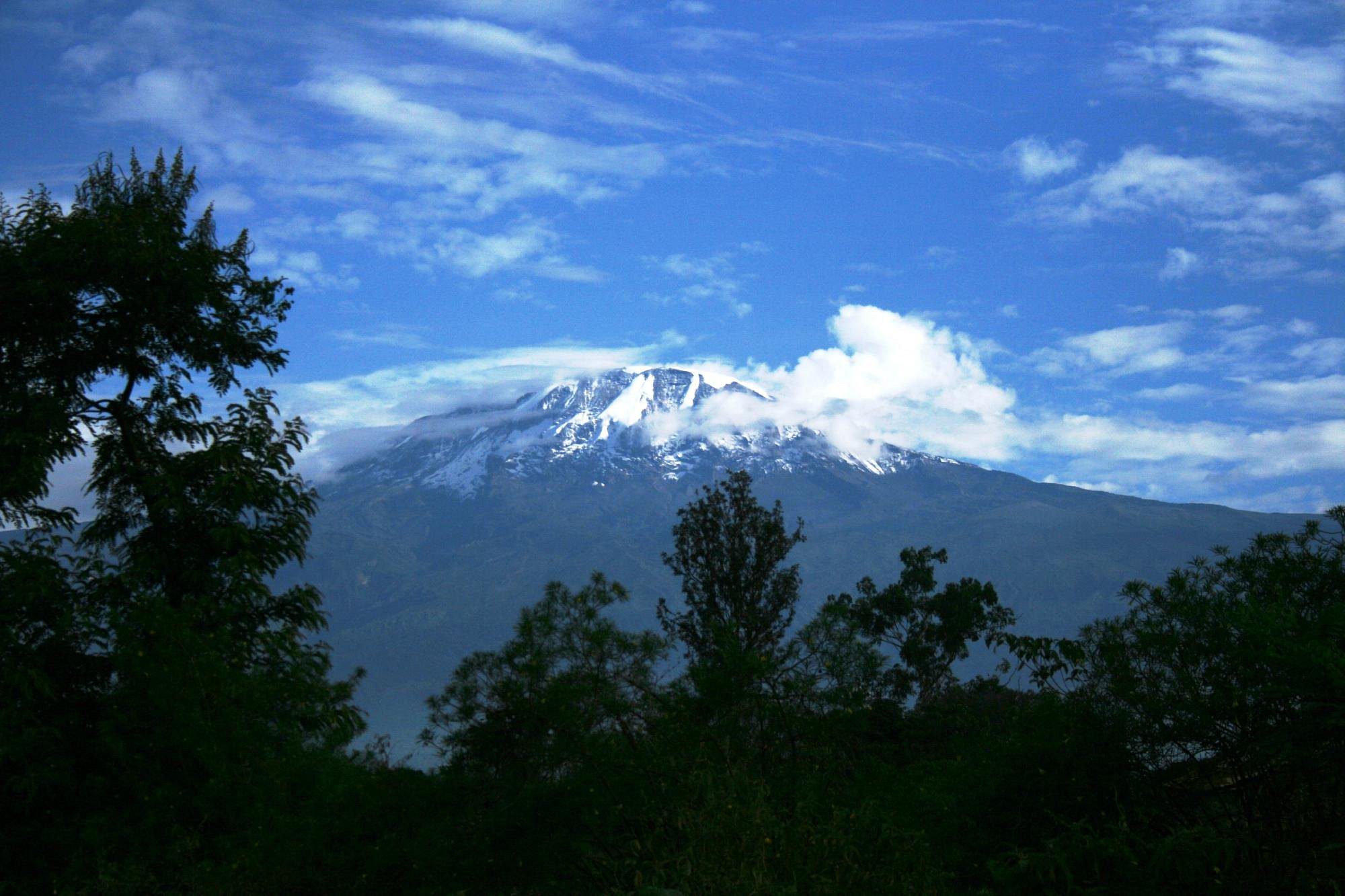
What makes Mount Kilimanjaro so unique is its status as a free-standing mountain. Unlike many mountains in the Himalayas that are part of a chain, Kilimanjaro rises dramatically alone from the plains, providing breathtaking views. This stunning visual spectacle is one reason why so many tourists flock to Kilimanjaro National Park to witness its beauty firsthand.
Another notable feature of Kilimanjaro is its glaciers, which, despite shrinking due to climate change, create a striking contrast with the warm, tropical jungle at its base. Climbing Kilimanjaro allows trekkers to experience diverse ecosystems, from lush forests to snowy peaks, all within one remarkable ascent.
Finally, Mount Kilimanjaro holds cultural and symbolic significance for local people. It is seen as a sacred mountain in native Chaga and Maasai traditions. Legend says the mountain is a source of power and mystery, connecting the earth to the heavens. In short, Kilimanjaro isn’t just a mountain – it’s a natural marvel, a spiritual symbol, and a global destination.
What are the main ecosystems and landscapes found in Kilimanjaro National Park?
Kilimanjaro National Park is famous for having multiple ecosystems packed into one relatively small area, all because Mount Kilimanjaro is so tall and goes through many climate zones. It’s like visiting different worlds as you climb higher! There are five main ecosystems or zones found in the park, from the bottom of the mountain to the top.
The first zone is the Cultivated Zone at the very base of the mountain. Here, local people grow crops like bananas and coffee. You’ll pass villages and farmlands before officially entering the national park.
Next is the Rainforest Zone, which is lush, green, and full of life. This is where you’ll see large trees, mosses, and waterfalls, as well as monkeys, colorful birds, and other animals that thrive in tropical forests. It’s warm and humid in this zone.
After the rainforest is the Heath and Moorland Zone, which feels completely different. This zone is covered in shorter shrubs, grasses, and unique plants like giant lobelias and groundsel trees. The air becomes cooler as you climb, and the vegetation is more spaced out.
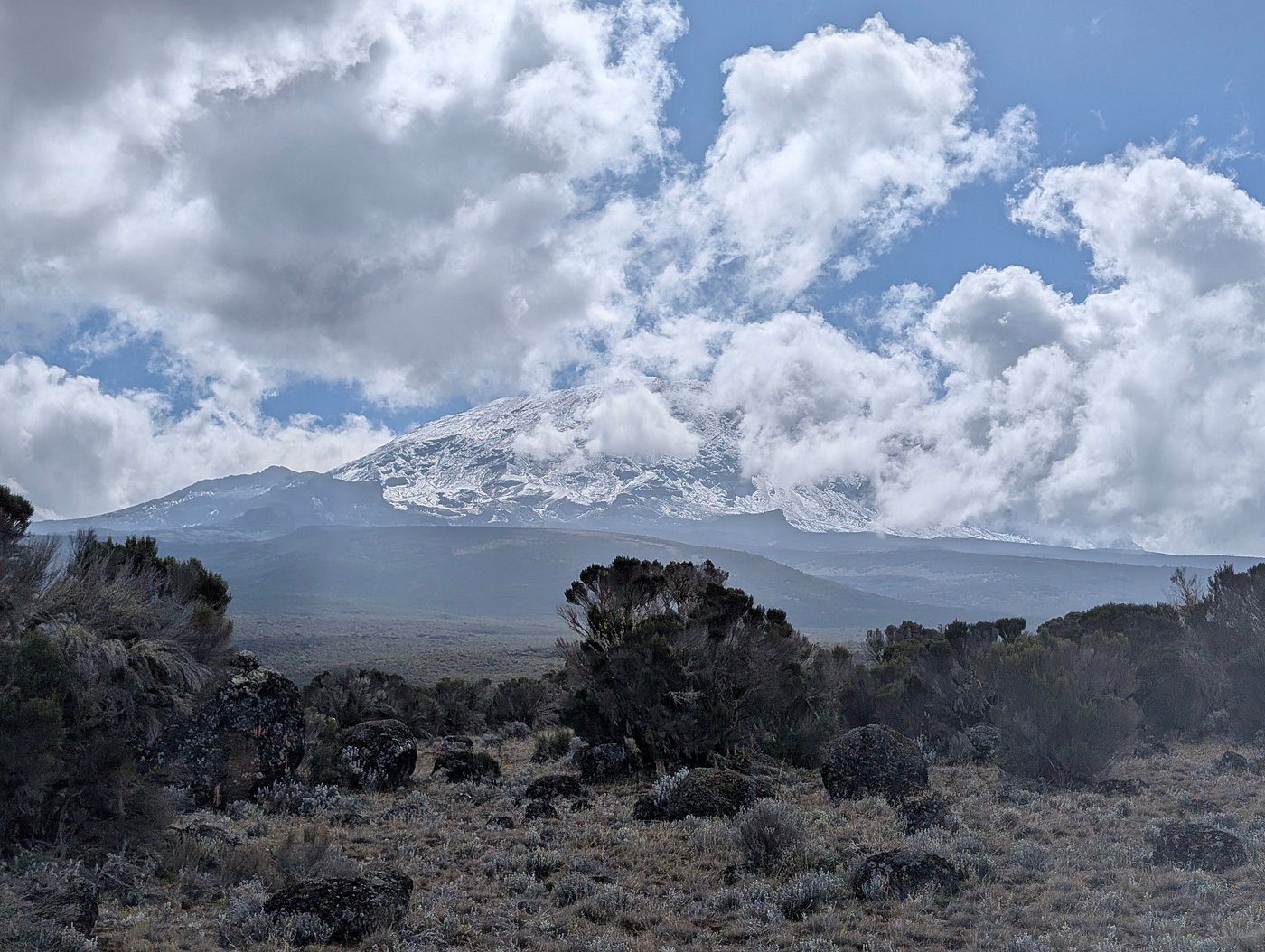
Higher up is the Alpine Desert Zone, which looks barren because of its harsh conditions. Temperatures here swing between hot during the day and freezing at night. You’ll see rocky terrain, volcanic soil, and only a few hardy plants that can survive these extremes.
Finally, the Arctic Zone is at the summit. This is where you’ll see glaciers, ice, and snow – even though you’re in Africa! There’s barely any plant or animal life up here because it’s so cold and oxygen levels are low.
In summary, climbing through Kilimanjaro’s ecosystems feels like walking from a tropical forest to a frozen tundra, all within a few days. That’s part of the reason the park is so incredible!
What are the most popular trekking routes to the summit of Mount Kilimanjaro?
Mount Kilimanjaro has several trekking routes that adventurers can use to reach its summit, with each route offering unique scenery, challenges, and experiences. The most popular routes include the Marangu, Machame, Lemosho, Rongai, and Umbwe routes. Here’s a breakdown of the main routes:
- Marangu Route (The “Coca-Cola” Route): This is the most straightforward and one of the oldest routes. It’s appealing because it’s the only route with hut accommodation instead of tents, making it more comfortable. However, it has a lower success rate for reaching the summit, as it’s the shortest, meaning less time to adjust to high altitude.
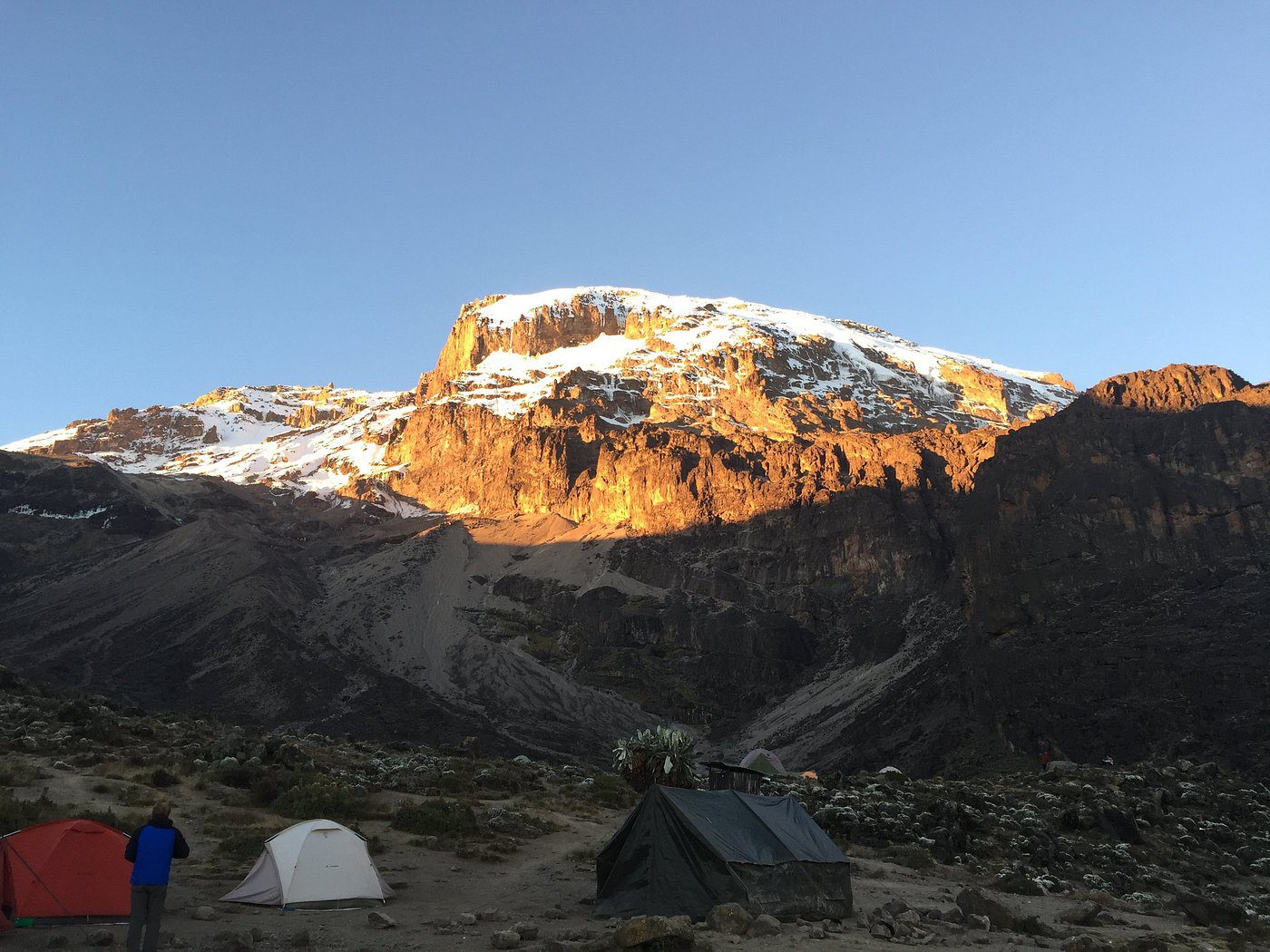
- Machame Route (The “Whiskey” Route): Known for its scenic beauty, it’s one of the most popular routes, offering breathtaking views and varied landscapes. It’s longer than Marangu, with a better chance for acclimatization, but it’s more physically demanding.
- Lemosho Route: This route is favored for its stunning views and remote landscapes. It’s longer and has a gradual ascent, making it perfect for acclimatization and increasing summit success rates. It starts on the western side of Kilimanjaro, offering fewer crowds at the start.
- Rongai Route: This is the only route that approaches Kilimanjaro from the north near the Kenyan border. It’s quieter compared to others, making it a great choice for those seeking solitude. However, its lack of diverse landscapes makes it slightly less scenic.
- Umbwe Route: Known for being one of the steepest and most direct routes, this is for more experienced climbers. It’s physically challenging and doesn’t offer much time for acclimatization, so it’s less popular.
- Northern Circuit Route: This is the longest route and circles around the northern side of the mountain. It provides the best opportunities for acclimatization and is the least crowded.
Each route offers something unique and is suitable for different kinds of trekkers, whether they’re beginners or seasoned climbers. For example, if you love scenic diversity and don’t mind a challenge, the Machame or Lemosho routes are likely the best. On the other hand, if comfort and shorter trekking time appeal to you, Marangu might be a better choice.
What is the best time of year to visit Kilimanjaro National Park?
The best times to visit Kilimanjaro National Park are during the dry seasons: January to mid-March and June to October. These periods are ideal because the weather is more predictable, and there’s less rain, making trekking conditions safer and more enjoyable.
- January to mid-March: This is a relatively warm and dry period, ideal for climbing. The skies are usually clear, which means spectacular views of the mountain and the surrounding landscapes. However, it’s slightly cooler than the June to October period.
- June to October: This is another dry season and a popular time for climbing. It corresponds with European and North American summer holidays, so it can get busy. This period offers clear skies during most of the trek and lower chances of encountering rain.
The rainy seasons on Kilimanjaro, March to May and November, are best avoided. Heavy rains can make the trails slippery and trekking very challenging. Additionally, the cloud cover during these months can obscure the stunning views.
For example, during the dry months like July, trekkers can enjoy crisp mornings and clear nights, which means stargazing opportunities while camping. Conversely, in April, the wet trails can turn into muddy slogs, and visibility might be poor, which reduces the overall experience.
In summary, choose the dry seasons for the best experience. Not only will the conditions be safer and more comfortable, but you’ll also have better chances of enjoying those breathtaking views from the “Roof of Africa.”
What kinds of wildlife can be found in the park?
Kilimanjaro National Park is not just about the mountain; it’s also home to diverse wildlife. While the higher elevations lack large animals because of the arctic-like conditions, the lower slopes and surrounding areas are teeming with plant and animal life.
- Lowland Wildlife: On the lower slopes and in the surrounding forests, you’ll find large mammals like elephants, buffaloes, leopards, bushbucks, and colobus monkeys. These animals thrive in the dense forest area, which provides food and cover.
- Primates: Kilimanjaro’s forests are especially known for their monkeys. One common species is the black-and-white colobus monkey, easily recognized by its striking black fur and white flowing mantel. The blue monkey can also be spotted here.
- Birds: The park is a birdwatcher’s paradise, with over 180 recorded species! Birds you might see include the hornbill, crowned eagle, malachite sunbird, and the scarlet-tufted malachite sunbird, which is often seen at higher altitudes. These colorful birds are often a treat for hikers who pause to take in the scenery.
- Smaller Animals: There are also various smaller animals, such as aardvarks, porcupines, and mongooses, found in the forested areas. At night, nocturnal species like genets and bush babies come alive.
- Insects and Reptiles: The park is home to various insects, some of which are unique to the area. While reptiles aren’t as abundant due to the colder climate at higher elevations, you may spot chameleons and agama lizards in the lower regions.
For example, while trekking through the moorland zone, hikers might encounter the Malachite Sunbird feeding on nectar from flowering plants. Meanwhile, elephants are sometimes spotted in the forest zone, though they tend to avoid humans and stay deeper in the woods.
Even though Kilimanjaro is famous for its mountain, the wildlife here adds a whole new layer to the experience, turning each trek into an adventure through a living, natural wonderland.
Are there any unique or endemic plant species in Kilimanjaro National Park?
Yes! Kilimanjaro National Park is home to some fascinating, unique, and even endemic plant species, meaning plants that grow nowhere else in the world. The variety of plants in the park is due to the mountain’s incredible range of ecosystems, which are part of the Kilimanjaro National Park ecosystem. As you hike Mount Kilimanjaro, the environment changes dramatically, from lush tropical forests to barren alpine deserts, so the plants you see at each altitude are very different.
One famous example of endemic plants in Kilimanjaro is the giant groundsels (Dendrosenecio kilimanjari). These strange-looking plants only grow in high-altitude areas of Kilimanjaro and nowhere else. They almost look like a mix of a cactus and a palm tree, but they have adapted to survive extreme cold at night and bright sun during the day in the alpine zone. Their leaves create a natural “blanket” to protect the plant from the freezing temperatures, showcasing the resilience found in the Kilimanjaro region.
Another cool plant found in Kilimanjaro is the lobelia, particularly Lobelia deckenii. These are also found in the high-altitude zones near the summit. Lobelias have a unique way of surviving the cold, they store water inside themselves, which works like a natural antifreeze to stop the plant from freezing overnight, making them a marvel of the montane forest belt.
At lower elevations, you’ll see things like giant ferns, orchids, and dense tropical trees because the area is more humid and warm. The rainforest zone has beautiful and diverse plant life, forming thick canopies and moss-covered floors.
These plants are important for the ecosystem, they provide food and shelter for wildlife like birds and even insects. But they’re also a reminder of how unique Mount Kilimanjaro is, standing tall enough to host so many types of vegetation from tropical to alpine. If you visit, you’ll see a rich natural world that can’t be found in many other places, making the Kilimanjaro trek an unforgettable experience!
What cultural or historical significance does Mount Kilimanjaro hold?
Mount Kilimanjaro is more than just a beautiful and adventurous destination, it carries enormous cultural and historical significance for the people who live near it and for the world. For local communities, like the Chagga and Maasai people, the mountain has spiritual and cultural meaning. The Kilimanjaro National Park is a vital part of this ecosystem, providing a rich habitat for diverse flora and fauna that thrive in its unique climatic zones.
To the Chagga people, who live on Kilimanjaro’s slopes, the mountain is considered sacred. It provides them with water from the glaciers, which they use for farming and daily life. They traditionally believe that the mountain is home to spirits and that respecting it will ensure safety and prosperity. For example, rituals and ceremonies were often held to honor Kilimanjaro. The Chagga people also have fascinating myths and folklore surrounding the mountain. One tale speaks of a “forbidden” fire on the summit of the mountain, which explains the white snowcap as a sign of this sacred fire.
For the Maasai people, Kilimanjaro is a symbol of strength and endurance. They have spiritual connections to the land around them and revere it as part of their heritage. Historically, the Maasai lived as semi-nomadic herders near the mountain and consider it a source of life, often utilizing the Kilimanjaro routes for their traditional grazing practices.
Globally, Mount Kilimanjaro became a symbol of adventure, exploration, and resilience thanks to its status as Africa’s highest peak and because it’s one of the “Seven Summits” (the tallest mountains on each continent). It has inspired countless works of literature and art, like Ernest Hemingway’s famous story, The Snows of Kilimanjaro, which discusses themes of nature, mortality, and beauty.
In essence, Kilimanjaro is not just a towering mountain, it’s a cultural icon for local communities and a symbol of human determination and curiosity for people everywhere. Its snow-capped peaks remind us of the beauty and fragility of nature, making it culturally and historically significant to many different groups, including those who embark on hiking Mount Kilimanjaro to experience its grandeur firsthand.
What permits or regulations must be followed for visitors to explore the national park?
To visit and explore Kilimanjaro National Park, you need to secure certain permits and follow specific regulations, especially if you plan to embark on hiking Mount Kilimanjaro. These rules are in place to protect the environment and ensure visitor safety.
First, everyone entering the park is required to pay a park entry fee. This fee depends on how many days you plan to stay in the park and whether you are a local resident or an international tourist. For international visitors, it can be quite expensive, around $70 per person per day for entry, plus extra fees for camping, rescue services, and guides.
Speaking of guides, one big rule is that all climbers must be accompanied by a licensed guide. You can’t just climb Mount Kilimanjaro on your own. This regulation ensures that climbers have expert help in navigating the Kilimanjaro routes and staying safe, especially in high-altitude conditions. Most visitors also hire porters to carry their gear, which is common for trekking.
Another key rule is that all trekkers must use designated routes to climb the mountain. Kilimanjaro National Park has several approved routes, like the Marangu and Lemosho routes, and you’re not allowed to create your own path. This helps protect the vegetation and the Kilimanjaro National Park ecosystem from damage caused by people walking on sensitive areas.
Visitors are also required to leave no trace, meaning you must carry out all your trash and not disturb the mountain’s environment. This is especially important above 4,000 meters, where the alpine desert is fragile and takes years to recover from damage.
Lastly, note that you may need a visa if you’re traveling to Tanzania, and you’ll need to be in good physical condition for the climb. Some areas also require climbers to register at certain checkpoints.
Following these permits and rules doesn’t just protect Kilimanjaro, it also ensures that future visitors get to enjoy its beauty safely. So, it’s all about respecting both nature and the people who help maintain it!
What are the primary challenges and risks of climbing Mount Kilimanjaro?
Climbing Mount Kilimanjaro is an amazing adventure, but it comes with several significant challenges and risks that people need to prepare for. The first and biggest challenge is altitude sickness. Kilimanjaro is one of the tallest mountains in the world, standing at 5,895 meters (19,341 feet) above sea level. When you go that high, the air gets thinner, which means there’s less oxygen for your body. This can give climbers headaches, nausea, dizziness, and even make them feel really weak. In more severe cases, it can cause dangerous conditions like HAPE (high-altitude pulmonary edema) or HACE (high-altitude cerebral edema). That’s why you have to go slow, drink water, and take time to let your body adjust! This process is called “acclimatization.”
Another significant challenge is the physical demand of the climb. Even though it’s not a technical ascent, hiking Mount Kilimanjaro for hours each day over rocky paths, steep slopes, and varying climates can be tough. To successfully tackle this journey, climbers should be in good physical shape, practice hiking beforehand, and wear proper gear like sturdy boots. The Kilimanjaro routes vary in difficulty, so choosing the right one based on your fitness level is essential.
The weather is also a challenge. On Mount Kilimanjaro, climbers experience different climate zones, from hot tropical forests at the base to freezing, icy conditions near the summit. You might face rain, snow, or freezing winds, so packing waterproof, layered clothing is crucial.
There’s also the mental challenge. The hike can take 5-9 days, depending on your route, and it can get exhausting. Staying motivated and positive makes a big difference! Proper preparation, hiring experienced guides, and following safety guidelines can help you make it to the summit and minimize risks.
How is Kilimanjaro National Park being affected by climate change and environmental factors?
Climate change is having a noticeable effect on Kilimanjaro National Park, and the most visible impact is occurring to the mountain’s famous ice caps and glaciers. These glaciers have been a symbol of Kilimanjaro for centuries, but scientists have observed that they are shrinking rapidly due to rising temperatures and changes in precipitation. Some studies suggest that if this warming trend continues, the ice on Mount Kilimanjaro could disappear completely within the next few decades. This is significant because it not only alters the beautiful scenery of the mountain but also affects the Kilimanjaro National Park ecosystem that depends on the water these glaciers provide.
Another issue connected to climate change is changing weather patterns. The mountain’s unique zones – from rainforests to alpine deserts – rely on stable weather and rainfall. However, droughts are becoming more common in the surrounding region and even on the mountain itself. This affects the plant and animal life in the park, like water sources drying up or certain species having difficulty surviving in their usual habitats. For instance, rare plants or animals that are adapted to specific conditions might struggle with these rapid changes, particularly in areas like the Kilimanjaro forest reserve.
Deforestation and human activity around the park also exacerbate the problem. For example, the clearing of forests in the lower zones of the mountain for farming or firewood has disrupted the natural balance in the area. Trees help regulate rainfall and prevent erosion, so cutting them down can make the environment even more fragile, particularly affecting the Kilimanjaro routes used by hikers.
Efforts are being made to address these issues. Conservation programs focus on protecting the forests, replanting trees, and promoting sustainable tourism. However, tackling global climate change on a larger scale is key to slowing down the damage and preserving this incredible natural treasure for the future.
What accommodations and facilities are available for visitors to the park?
Visitors to Kilimanjaro National Park have plenty of accommodation options, ranging from basic campsites to luxurious lodges, ensuring there’s something to suit all kinds of travelers. Most people hiking Mount Kilimanjaro will sleep in tents or huts depending on the route they choose. For example, popular routes like the Marangu Route offer overnight stays in huts with basic bunks and mattresses. These aren’t fancy, but they provide a roof over your head, which is much appreciated at higher altitudes. Other routes like Machame or Lemosho involve camping each night, so climbers often rely on their trekking companies to set up tents for them.
Outside of the hiking experience, there are also more comfortable accommodations at the base of the mountain in towns like Moshi or Arusha. These options include hotels, lodges, and guesthouses, ranging from budget-friendly choices to high-end, luxurious stays. For instance, some lodges have amazing views of the mountain, open-air dining spaces, and even swimming pools, making them perfect for relaxing before or after a climb.
For meals, visitors climbing the mountain usually eat food provided by their trekking company. Porters carry supplies and prepare meals, which are designed to provide the calories and nutrition needed for the climb (think lots of carbs like pasta, rice, and fruits). For those in hotels or lodges, you’ll generally find international and local cuisine available, ensuring that climbers are well-fueled for their ascent.
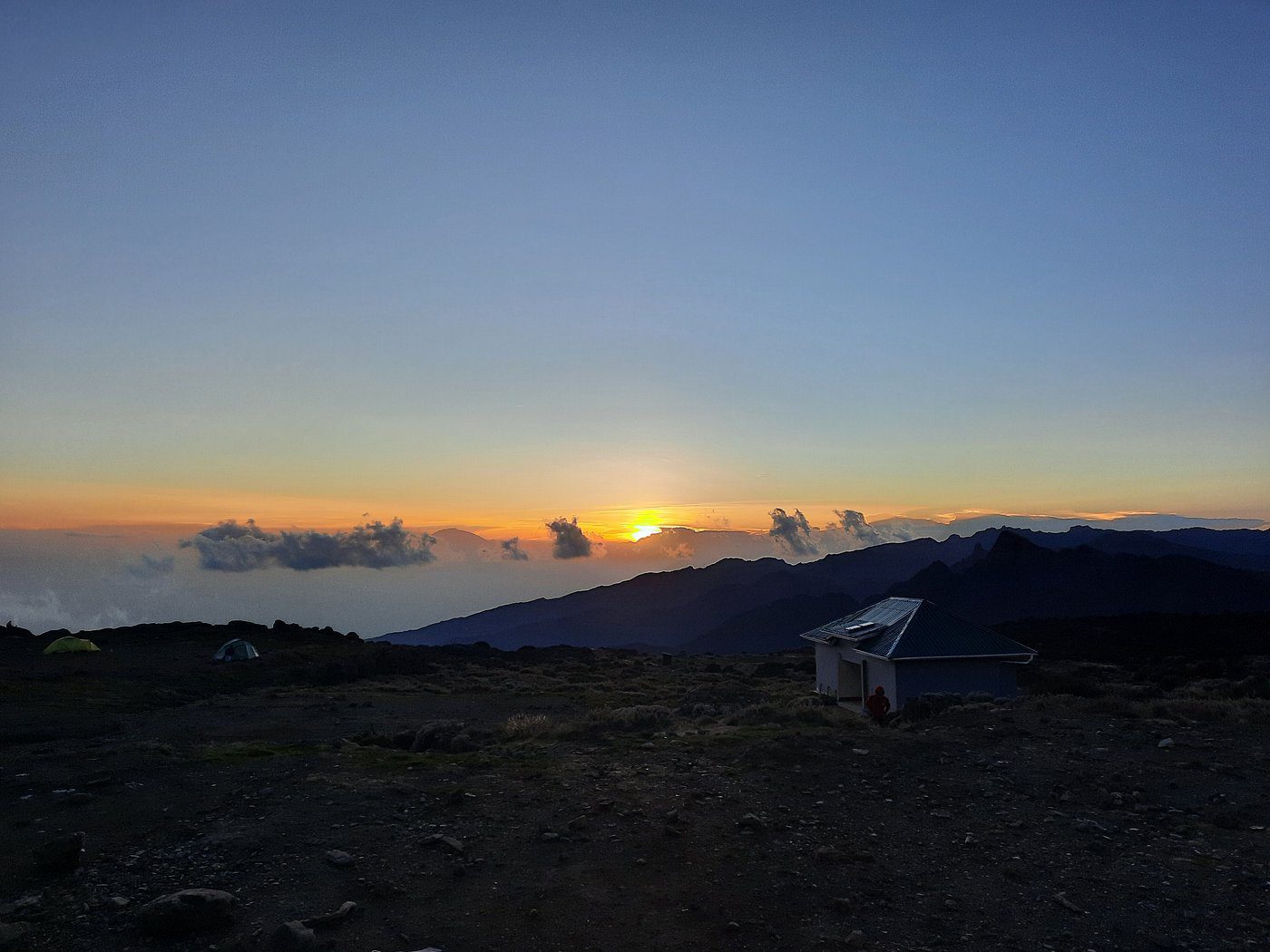
Facilities on the mountain can be pretty basic. There are no fancy bathrooms, just public toilets or pit latrines at campsites. However, the experience is about immersing yourself in nature while being supported by experienced guides and porters who help keep trekkers safe and comfortable throughout their journey. Whether you’re a hardcore adventurer or a laid-back traveler, there are plenty of ways to experience the Kilimanjaro National Park ecosystem!
How To Book Your Tanzania Safari
Now that we’ve explored the what, why, and how of Kilimanjaro National Park, from its breathtaking landscapes to its unique wildlife, you’re ready to experience this adventure for yourself! Climbing Kilimanjaro, Africa’s tallest peak, or enjoying a scenic safari is just a click away. To make it seamless, reach out to one of the Best Safari Companies in Tanzania. They’ll help you craft the ultimate Kilimanjaro trek that matches your travel dreams. Start planning today and let the adventure begin!