
Mount Kilimanjaro offers multiple route options with varying difficulty levels and timeframes, typically ranging from 5 to 9 days Proper physical preparation and quality...
Budget Safaris in Tanzania offer affordable opportunities to experience the country’s stunning wildlife and landscapes. Popular destinations include Serengeti National Park, famous for the Great Migration, and Ngorongoro Crater, home to the Big Five. Other accessible options include Tarangire National Park, known for its elephant herds, and Lake Manyara National Park, famous for tree-climbing lions. These safaris often feature game drives, budget lodges, and camping options, providing a cost-effective way to explore Tanzania safaris. Group tours and shared vehicles further reduce costs, making it possible to enjoy world-class safari experiences without overspending.
What is a budget safari, and how does it differ from a luxury safari in Tanzania?
A Tanzania budget safari is a more affordable way to experience the thrill of a wildlife adventure in Tanzania without spending a fortune. Unlike luxury safaris, which offer upscale accommodations, private tours, and all the bells and whistles, budget safaris focus on cost-effective options while still allowing you to enjoy the same parks, wildlife, and natural beauty. Essentially, you’ll still see elephants, lions, and the vast Serengeti landscapes, but you won’t be staying at a five-star lodge or flying in a small private plane between parks.
For example, on a budget safari, you might sleep in a basic tent or a simple lodge instead of a fully equipped luxury tent with spacious rooms and personal chefs. Meals may be prepared on-site by local cooks rather than served as gourmet multi-course dining. The vehicles used for transport may involve sharing a safari truck with other travelers instead of having a private car.
The key difference is in the experience. Luxury safaris focus on exclusivity, pampering, and top-tier service, while budget safaris are tailored for adventure-loving travelers who don’t mind simpler amenities but still want to experience Tanzania’s incredible wildlife. Both options can take you to iconic places like Serengeti National Park or Ngorongoro Crater, but the way you experience these destinations will depend on your budget.
For example, if you’re doing the famous wildebeest migration on a budget safari, you may camp in a public campsite, whereas a luxury safari traveler might stay in a high-end migration mobile camp that moves with the herds. Both options allow you to experience the same once-in-a-lifetime wildlife spectacle, but the safari costs and comfort will vary significantly.
What are the best national parks or reserves for budget safaris in Tanzania?
Tanzania is home to some of Africa’s most iconic national parks, and the good news is that many of these are ideal for tanzania budget safaris. Some of the best options for budget-friendly wildlife experiences include:
1. Serengeti National Park: This is one of the most famous parks in Africa and a must-visit for its abundant wildlife and the Great Migration. Although Serengeti may seem like a luxury option due to its popularity, it is possible to visit on a budget. Simple campsites and shared group safaris make this mighty destination accessible to budget travelers.
2. Ngorongoro Conservation Area: The Ngorongoro Crater is a stunning natural amphitheater packed with wildlife like lions, rhinos, elephants, and hippos. Budget travelers most often visit this location as part of a larger Northern Circuit safari, sharing transportation and guides to keep costs manageable.
3. Tarangire National Park: Famous for its stunning baobab trees and massive elephant herds, Tarangire is a great option for those on a budget. It’s slightly less popular than Serengeti or Ngorongoro, meaning it can be both cheaper and less crowded.
4. Lake Manyara National Park: Known for its tree-climbing lions, flamingos, and lush scenery, Lake Manyara is an underrated gem for budget safaris. Its smaller size makes it more manageable for shorter trips and lower-cost safaris.
5. Selous Game Reserve (Now Nyerere National Park): If you’re exploring southern Tanzania, Selous offers a quieter, wilder experience compared to the northern circuit parks. It’s a great place for budget safaris that avoid the more tourist-heavy locations.
All these parks offer plenty of wildlife and memorable experiences, but the safari costs will vary depending on things like the type of safari you choose (private versus group), your choice of accommodation (camping or basic lodges), and your transportation. If you’re traveling on a tight budget, it’s wise to stick to group tours and be flexible, as these options can make the northern circuit (Serengeti, Ngorongoro) and others more affordable.
What is the average cost of a budget safari in Tanzania?
A budget safari in Tanzania typically costs between $150 to $300 per person per day for group tours. The price range depends on factors like the number of days, the type of accommodations, the parks you visit, and whether things like food and park fees are included.
For example, a 3-day budget safari to popular spots like Serengeti and Ngorongoro costs around $600 to $900 per person in a group tour. This cost usually includes shared transportation in a 4×4 safari vehicle, park entry fees, a guide, simple accommodations (like basic camping or budget lodges), and meals. Private safaris, even on a budget, tend to be pricier, starting around $250–$400 per person per day.
Let’s break it down:
- Park Fees: Tanzania’s parks can have high entrance fees. For instance, Serengeti charges around $60–$70 per person per day, with additional fees for vehicles or camping.
- Accommodations: Camping is often the cheapest option, where you might pay $20–$50 per night. Budget lodges or tented camps may cost about $50–$100 per night.
- Food & Guides: Many tour operators include meals in the package. Budget safaris often hire group guides who keep costs low by serving multiple guests.
Bear in mind that transportation is a key factor. Flying between parks on a luxury safari is costly, so budget safaris typically rely on shared vehicles. If you’re willing to skip Serengeti and stick to places closer to Arusha, like Tarangire or Lake Manyara, the costs can drop even further.
Overall, while luxury safaris cost thousands per night, budget travelers can comfortably enjoy Tanzania’s wildlife for the equivalent of a modest vacation elsewhere. Just plan ahead, book with reliable operators, and consider joining group tours to share expenses.
Are there group safari options available for travelers on a budget?
Yes, group safari options are definitely available for travelers on a budget, and they are one of the most affordable ways to experience the beauty of Tanzania’s wildlife. A group safari is essentially a trip where you join other travelers in a shared safari vehicle. By sharing the expenses, such as transportation, park fees, and the guide’s services, you can significantly cut down on safari costs compared to a private safari, where you bear all of the expenses yourself.
For example, instead of renting a safari vehicle and guide for just two people, costs in a group safari are split among 4-7 travelers (depending on the vehicle’s size). This setup not only makes it budget-friendly but also allows solo travelers or couples to meet like-minded people. Sharing the experience with others can add to the fun, as you’ll get to swap stories, share excitement over wildlife sightings, and enjoy the camaraderie of your group during your Tanzania safari.
Most budget tour operators in Tanzania offer group safaris with a preset itinerary. These safaris often include must-visit destinations like the Serengeti, Ngorongoro Crater, and Tarangire National Park. Typically, you’ll hop into a 4×4 vehicle and spend 3 to 7 days (depending on the tour) exploring the parks, staying in budget accommodation, and seeing Tanzania’s famous animals like lions, elephants, giraffes, and zebras.
One of the trade-offs, though, is that group safaris can be less flexible than private ones. Since you’re with a group, you won’t have as much say in the schedule or stops. Also, you’ll be spending a lot of time with strangers, which can be either a plus or a drawback depending on your personality.
Make sure to research and book with a reliable safari company. Look for reviews to ensure you’ll be part of a well-organized and safe group safari experience.
How can I find reliable and affordable safari tour operators in Tanzania?
Finding a reliable and affordable Tanzania budget safari operator can feel overwhelming, but with some careful research, you can ensure a safe and memorable experience. Start by searching online for reputable operators. Websites like TripAdvisor, SafariBookings, or TourRadar are excellent platforms to read reviews from past travelers. Pay attention to companies with consistently good ratings and plenty of detailed, authentic feedback. Look for mentions of timely responses, knowledgeable guides, and quality service, all signs of a trustworthy operator.
Affordability is important, but don’t just go for the cheapest option. Extremely low prices might signal hidden fees, outdated vehicles, or poorly maintained accommodations. Instead, look for Tanzania safari packages that clearly lay out what’s covered, including park fees, meals, transportation, and accommodations. Reliable operators are upfront about their pricing and don’t surprise you with extra costs.
Another tip is to directly contact several tour operators to get quotes and compare what’s included. A good operator will take the time to respond to your questions, explain itineraries, and provide options that match your budget. Some companies specifically cater to budget travelers and focus on group safaris to keep costs low.
You can also network with other travelers. Join online forums or social media groups dedicated to Tanzanian travel or safaris. Experienced travelers often share recommendations for operators they’ve personally used and trusted.
Finally, check if the operator is a member of a professional association like the Tanzania Association of Tour Operators (TATO). Membership can indicate a commitment to safety, quality, and ethical tourism practices. With time and research, you’ll be able to find an operator that’s both affordable and reliable.
What types of accommodation are typically included in budget safaris?
Budget safaris in Tanzania typically include basic but comfortable accommodations that allow travelers to enjoy nature without spending too much. There are generally three types of accommodation that might be included: camping, budget lodges, and tented camps.
- Camping: The most affordable option on a budget safari is simple camping. This does not mean roughing it without any amenities, you’ll likely stay at campgrounds within or near the national parks. These sites often provide shared bathroom facilities, a cooking area, and maybe even a small shop. You’ll sleep in tents, which are usually provided and set up by the operator. Some budget safaris even offer full-service camping, where staff handle cooking and cleaning, so you can just enjoy the experience. For example, you might spend your nights in a tent under a blanket of stars while listening to animals like zebras or hyenas from a safe distance.
- Budget Lodges: These are simple hotel-style accommodations offering basic amenities like a bed, running water, and sometimes electricity. They lack luxurious touches, but they’re clean, comfortable, and located near the parks for convenience. For example, you might stay in a small, family-run lodge near Tarangire or Lake Manyara, with a nice view of the surrounding countryside.
- Tented Camps: Budget tented camps strike a balance between camping and staying in a lodge. These semi-permanent setups provide tents that are larger and more comfortable than regular camping tents. Many include beds, en-suite bathrooms, and dining areas, so you can enjoy a touch of comfort while being close to nature. They are particularly common in the Serengeti.
Most budget safari accommodations emphasize simplicity and eco-friendliness. Don’t expect luxury, but you’ll still get to experience Tanzania’s incredible landscapes and wildlife up close.
What is the best time of year to go on a budget safari in Tanzania?
The best time of year for a budget safari in Tanzania depends mostly on balancing two things: good wildlife viewing and lower prices. Generally, the dry season is best for safaris (June to October), while the wet season (November to May) offers budget-friendly options. Here’s why:
In the dry season (June to October), there’s less rain, so animals gather around water sources, making it easier to spot them. The grass is shorter, and the weather is mostly sunny. This is also when you can experience the famous Great Migration in the Serengeti , thousands of wildebeests and zebras moving in search of water and food. But, because this is such a popular (and desirable) time, prices are higher. Flights, park fees, and accommodation costs tend to go up, making it less budget-friendly.
For travelers on a tight budget, the wet season or “green season” (November to May) is a great choice. During this time, there are fewer tourists, which often means lower prices for safaris and accommodations. Tour operators sometimes offer discounts, as there is less demand. While the grass is longer and animals can spread out more (making them slightly harder to see), it’s still a great time for game drives. Plus, this is the time when many animals give birth, so you might spot cute baby animals and their moms. The wet season is also ideal for bird watchers because migratory birds come to Tanzania.
For example, if you visit in April, which is part of the rainy season, you’ll experience green landscapes and fewer crowds at a fraction of the cost you’d pay in July.
In short, the dry season is perfect if you can afford it, but the wet season is excellent for budget travelers who don’t mind a bit of rain!
What animals and wildlife can I expect to see on a budget safari?
A budget safari doesn’t mean you’ll miss out on the amazing wildlife! You can still expect to see the iconic “Big Five” (lion, elephant, buffalo, leopard, and rhino) and so much more.
In Tanzania’s top national parks, like Serengeti, Ngorongoro Crater, and Tarangire, wildlife is abundant regardless of whether you’re on a luxury or budget safari.
For example:
- Lions: You’ll often see prides lounging in the sun or hunting in the grasslands of the Serengeti.
- Elephants: These huge, gentle giants love Tarangire National Park, where you’ll find herds of them around the park’s distinctive baobab trees.
- Leopards: Leopards are more elusive, but they’re common in areas like the Serengeti. Look for them lounging in the trees during the day.
- Zebras and Wildebeests: These two animals are everywhere! If you visit during the Great Migration, you’ll see massive herds moving across the plains.
- Giraffes: Found in most parks, giraffes are easy to spot thanks to their height as they munch on treetops.
- Hippos: If you visit waterholes or rivers, you can find groups of hippos soaking in the water and staying cool.
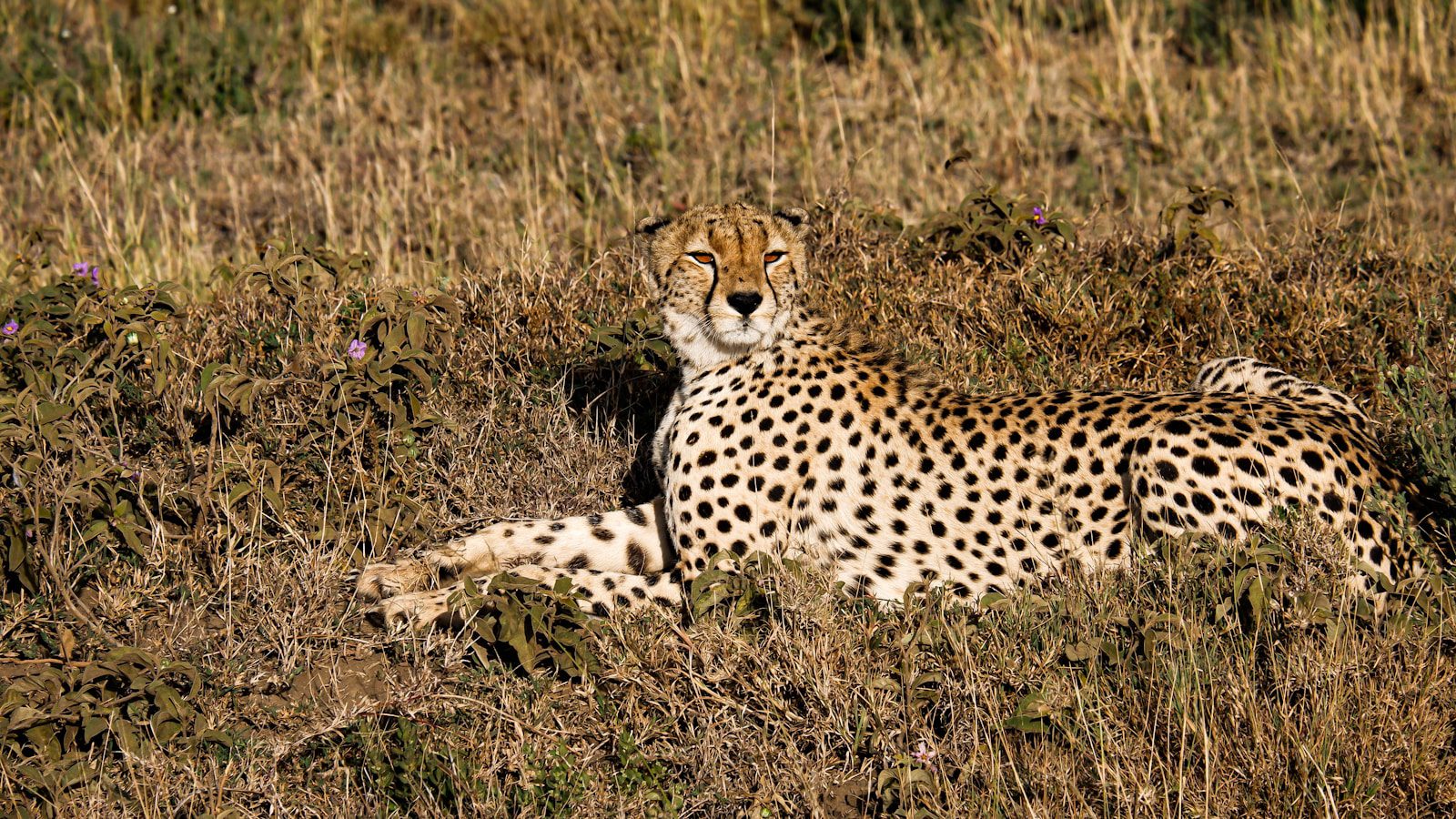
- Cheetahs, Hyenas, and More: Savannas are home to cheetahs (among the fastest animals on earth!), scavengers like hyenas, and more.
- Birds: From flamingos in Lake Manyara to eagles and storks, Tanzania has hundreds of bird species.
Even during a budget safari, you’ll have experienced guides who take you to areas teeming with wildlife. Parks like the Ngorongoro Crater are especially great because it’s a relatively small area packed with animals. It’s like nature’s version of a zoo , but completely wild!
So, don’t worry , you’ll get the full safari experience. Just keep your camera ready because you never know what will pop up next!
How can I save money on transportation to and within Tanzania for a safari?
Transportation can be a big chunk of your tanzania budget safaris, but there are clever ways to save money, both on getting to Tanzania and traveling around once you’re there.
1. Find Cheap Flights
International flights to Tanzania, often landing at Dar es Salaam or Kilimanjaro airports, can be costly; however, tips for affordable safaris can help you save.
- Book your tickets during airline sales or promotions, and watch for discounts on websites like Skyscanner or Google Flights.
- Traveling during the off-season (wet season) usually means cheaper flights. For example, visiting in April or May can get you big discounts.
- Opt for connecting flights instead of direct ones. For instance, flying through Nairobi or Addis Ababa with airlines like Ethiopian Airlines or Kenya Airways is often cheaper.
- Be flexible with your travel dates. A flight on a Tuesday might be much cheaper than one on a Saturday.
2. Use Public Transport Locally
Once in Tanzania, using public buses or shared shuttles can save hundreds of dollars compared to private transfers or flights between cities. For instance:
- Take a bus from Arusha to Serengeti instead of a expensive charter flight.
- Traveling by “dala-dalas” (minibuses) around town or between tourist areas is affordable, though they can be crowded.
3. Go for Group Safaris
Instead of booking a private safari, consider joining a group safari tour. This way, you can split transportation costs such as fuel, park fees, and driver expenses with other travelers, making it a more affordable option for those interested in tanzania budget safaris.
4. Rent Camping Gear in Tanzania
If you’re adventurous, many travelers save on safari costs by opting for budget camping safaris on public grounds instead of staying in luxury accommodation. Numerous safari companies offer affordable safaris that include gear, transportation, and a guide, making it a cost-effective option compared to flying in and out of fancy lodges.
5. Avoid Internal Flights
Flying within Tanzania can be costly. Instead of flying from, say, Arusha to Zanzibar, take the bus and then a ferry (30–50% cheaper).
By planning early, flying smart, and making use of group tours and ground transport, you can drastically cut your transportation expenses. Plus, this leaves you more money for exciting wildlife experiences in Tanzania.
What are the typical durations for budget safaris, and are shorter safaris a good option?
Tanzania budget safaris typically range from 2 to 7 days, though it’s possible to book even longer tours depending on your time, budget, and preferences. A 3- to 5-day safari is one of the most common durations for budget travelers, offering a nice balance between affordability and a fulfilling wildlife experience. Choosing a Tanzania safari can be an excellent way to explore the country’s stunning landscapes and diverse wildlife.
Shorter safaris, like 2-day or 3-day trips, can be a great option if you’re on a tight schedule or don’t want to spend too much money. For example, in just a couple of days, it’s possible to visit iconic parks like Tarangire National Park, Lake Manyara National Park, or even the Ngorongoro Crater. These places are known for their abundant wildlife and beautiful landscapes, so even in a short time, you’re likely to see many animals like zebras, elephants, lions, and giraffes.
However, a longer safari, such as a 5- to 7-day trip, gives you more time to explore several parks and increases your chances of seeing the “Big Five” (lion, leopard, elephant, rhino, and buffalo) and even the Great Migration in Serengeti National Park. Longer trips are especially useful if you want to visit more remote parks or reserves, such as Ruaha National Park or Selous Game Reserve, making them ideal for those looking for a comprehensive Tanzania safari experience.
If you’re considering a shorter safari, it’s worth keeping in mind that travel time between parks can be significant. For example, while Tarangire and Lake Manyara are relatively close to Arusha (the safari hub), the Serengeti is farther away and requires more driving. So, shorter trips may feel a bit rushed. In contrast, longer safaris allow for a more relaxed pace and opportunities to fully immerse yourself in the experience.
In summary, shorter safaris can definitely be a good option for budget-conscious or time-restricted travelers, but keep your expectations realistic. If you can afford a few more days, you’ll likely enjoy a richer and more varied experience, especially when considering the various safari packages available for longer durations.
Are meals, park fees, and other essentials included in the cost of a budget safari?
Yes, most budget safaris in Tanzania are all-inclusive, meaning that meals, park fees, and other essential costs are typically covered in the price of the tour. The exact details may vary depending on the tour operator, but a budget safari package usually takes care of the basics so that travelers don’t have to budget for too many additional expenses.
Here’s how it usually works:
- Meals: Safaris generally include three meals a day, breakfast, lunch, and dinner, prepared by the tour operator or provided at the accommodation. For example, breakfast might consist of eggs, fruit, and toast, while dinner might feature rice, vegetables, and sometimes meat. Depending on the setup, meals might be served at the campsite if you’re staying in tents or at a dining area if you are in budget lodges.
- Park Fees: National park entry fees in Tanzania can be quite expensive, but these are typically incorporated into your budget safari package. For instance, entering the Serengeti costs around $82 per person, per day, and the Ngorongoro Crater has its own separate fee. These costs add up quickly, but reputable budget tour operators include them in your overall cost.
- Transportation: Most budget safaris include transport in a 4×4 vehicle with a guide and driver. These vehicles are specially fitted for comfortable game viewing, with pop-up roofs for better visibility of wildlife.
Items that might NOT be included are tips for guides and drivers, personal expenses like snacks or souvenirs, and sometimes drinks (e.g., soda, beer, or bottled water), so it’s good to budget a little extra for these.
In short, budget safaris do their best to minimize out-of-pocket costs so that travelers only have to pack their gear and be ready for adventure. Always double-check with the operator what exactly is included in the price to avoid surprises.
How safe are budget safaris, and what precautions should I take as a traveler?
Budget safaris in Tanzania are generally very safe, as long as you book with a reputable tour operator and follow the guidelines given by your guide. Safari companies prioritize traveler safety, and experienced guides are well-trained in responding to various situations, including wildlife encounters, road conditions, and emergencies.
However, since budget safaris often involve camping or other basic accommodations, there are a few precautions to keep in mind:
- Wildlife Safety: You’ll likely camp or stay close to wild animals, so it’s important to respect their space. Never wander outside your tent or lodge at night without an escort, as animals like lions, hyenas, or elephants may roam nearby. Always listen to your guide’s instructions about how to behave in these areas.
- Health Precautions: Parts of Tanzania are prone to illnesses like malaria, so taking precautions is necessary. Use insect repellent, sleep under mosquito nets, and consider consulting your doctor about malaria prophylaxis before your trip. Also, bring a basic first-aid kit for scrapes or minor injuries.
- Road Safety: Driving in Tanzania, especially between parks, can involve rough roads and long hours. Make sure your tour company uses well-maintained vehicles and experienced drivers. Always wear your seatbelt and be patient, it’s all part of the adventure!
- Food and Water Safety: Budget safaris usually provide safe drinking water, but it’s good to bring your own reusable bottle. Avoid drinking tap water and stick to bottled or filtered options. Food prepared by operators is usually safe, but it’s wise to carry snacks if you have dietary sensitivities.
- General Personal Safety: Petty crimes like pickpocketing can happen in cities (e.g., Arusha or Dar es Salaam), so keep your belongings secure and don’t wander around alone at night. On safari itself, crime is very rare because you are usually in remote locations.
By staying with your group, following your guide’s advice, and being aware of your surroundings, you’ll have a safe and enjoyable safari. Budget safaris may lack some of the comforts of luxury tours, but they still prioritize your security and well-being.
How To Book Your Tanzania Safari
Now that you understand what a Tanzania budget safari entails, you can see why it’s an unforgettable experience that allows you to enjoy epic adventures without breaking the bank. Are you ready to explore breathtaking landscapes, spot the Big Five, and immerse yourself in Tanzania’s incredible wildlife? It’s time to make your dream journey a reality! Click here to connect with the best safari companies in Tanzania and start planning your budget-friendly safari today.