
To get to Serengeti National Park, travelers typically fly into Kilimanjaro International Airport (JRO) or Arusha Airport (ARK) in Tanzania. From there, you can...
Birding in Serengeti National Park offers a remarkable experience, with over 500 bird species thriving in its diverse habitats, including woodlands, savannas, and wetlands. Key species include the Kori Bustard, Fisher’s Lovebird, and the rare Grey-crested Helmetshrike, making it a haven for bird enthusiasts. Ideal for combining with Tanzania safaris, this UNESCO World Heritage Site provides exceptional birdwatching year-round, though November to April is best for spotting migratory species. Popular birding spots include the Seronera Valley, the Grumeti River, and the Ndutu region. Whether you are a seasoned birder or a beginner, birding in Serengeti National Park promises an unforgettable wildlife experience amidst the breathtaking landscapes of Tanzania.
What species of birds can be found in Serengeti National Park?
The Serengeti National Park is a dream destination for bird lovers, as it is home to over 500 species of birds, making it one of the best places for a national park birding safari! These species range from tiny songbirds to massive birds like ostriches. Some birds you might see include brightly colored lilac-breasted rollers, which have a striking mix of blue, green, and pink feathers. Another commonly spotted bird is the secretary bird, a large bird of prey that looks a little like an eagle but has long legs, so it seems to “walk” through the grasslands as it hunts for snakes.
You can also find impressive raptors like martial eagles and bateleurs, both of which are powerful hunters flying high above the savannah. The Kori bustard, which is one of the heaviest flighted birds in the world, also calls the Serengeti its home. Let’s not forget pink flamingos in the park’s wetlands, which form large, beautiful flocks that are just breathtaking to see. Water birds like pelicans, herons, and storks are also commonly seen near waterholes.
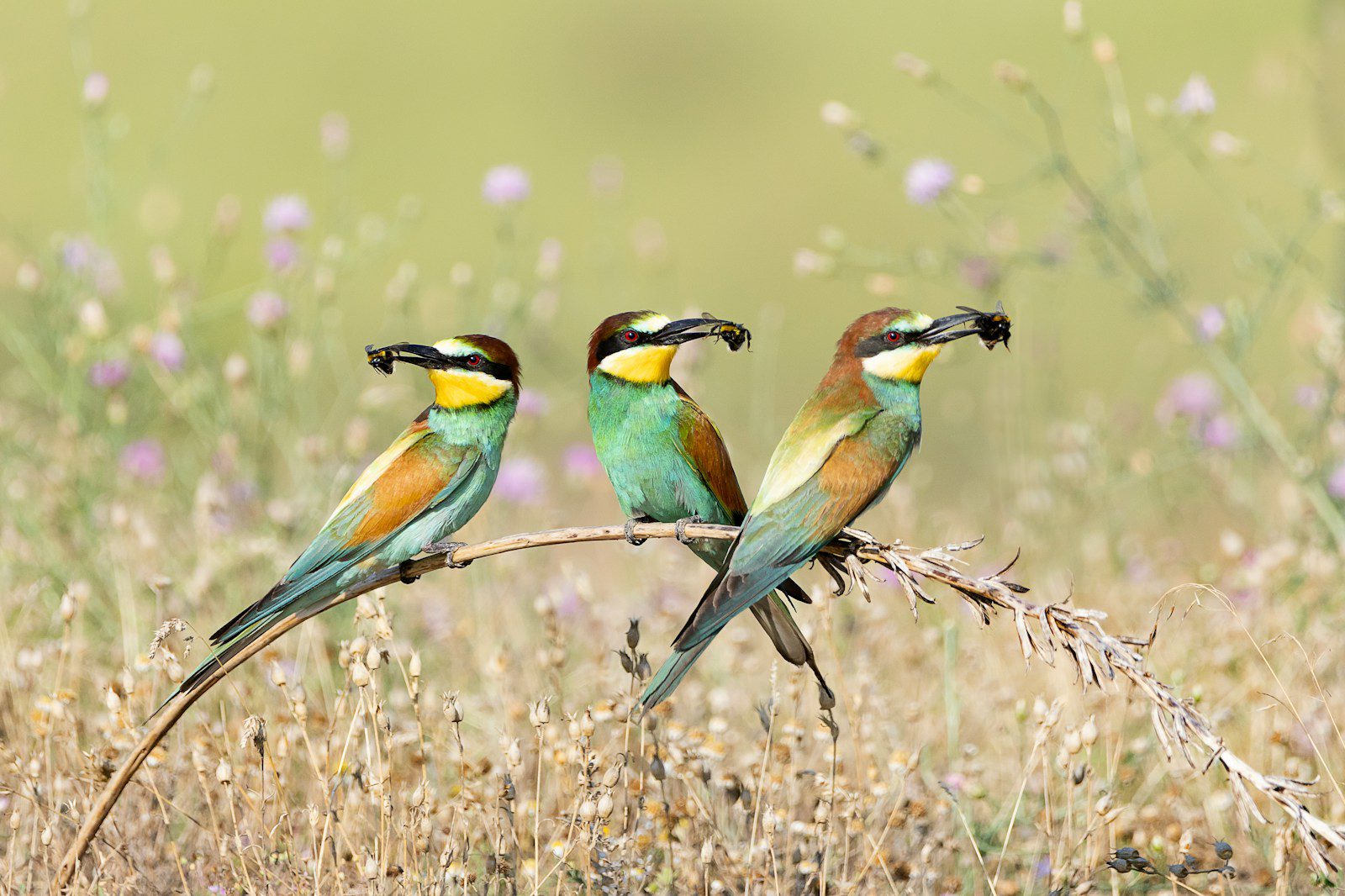
Even small but colorful birds such as weavers, bee-eaters, and sunbirds add charm to the landscape. A mix of unique habitats in the Serengeti means that every bird lover has a chance to spot a wide variety of species regardless of their birding expertise. So, whether you’re experienced or just starting out, there’s always something exciting to spot in Serengeti!
When is the best time of year to go birding in the Serengeti?
The best time for a birding safari in Serengeti National Park depends on what you’re hoping to see, but a fantastic window for birdwatchers is during the rainy season, which stretches from November to April. Why is this season so special for birding? It’s because this is when many migratory birds arrive in the Serengeti from Europe, Asia, and other parts of Africa, creating a diverse and lively bird population. During these months, the park bursts with color and activity as the migratory species join the resident birds, making it a true birding paradise.
For example, species like the European roller and Eurasian bee-eater, which only visit during this time, can be spotted. Additionally, this is also the breeding season for many resident birds, meaning you’ll get to see gorgeous plumage displays as birds try to attract mates. Birds such as weavers build delicate and intricate nests, which is an amazing sight in itself. Another advantage of birding from November to April is that the vegetation is lush and green due to the rains, creating stunning settings for observing different bird species.
However, if you’re hoping for wide-open views with fewer leaves on trees to block your view, then the dry season (June to October) is also good, especially for spotting larger birds like ostriches or secretary birds roaming the plains. Whichever season you choose, Serengeti National Park birding has plenty to offer year-round for birdwatchers!
What are the key habitats for birdwatching in the park?
Serengeti National Park is massive, with several different habitats that provide a home to a wide variety of bird species. Each habitat offers something unique, making the park such an extraordinary place for birdwatching.
One of the most iconic habitats is the open grasslands or savannahs. These wide, flat areas stretch as far as the eye can see and are home to ground-dwelling birds like ostriches, Kori bustards, and secretary birds. These birds are easy to spot as they stride across the open plains. The grasslands are also excellent spots to watch for birds of prey, such as vultures, eagles, and hawks, soaring high above.
Riparian zones, like rivers and streams, attract water birds such as herons, pelicans, and kingfishers that rely on the water for their food. Not far from the water are wetlands and seasonal pools, where you might see the iconic pink flamingos feeding in the shallow waters or storks wading along the edges.
Another important habitat is the woodlands, such as the acacia woodlands. These areas support smaller but strikingly beautiful birds like sunbirds, barbets, and hornbills. The trees also attract nesting birds and provide lookouts for raptors.
Lastly, rocky outcrops known as kopjes (pronounced “copies”) are must-visit spots. These rock formations provide excellent spots for birds of prey to nest and hunt as they overlook the open surroundings. Plus, smaller bird species like larks and wheatears make these rocky areas their home. Each habitat plays a key role, so it’s worth exploring all of them if you want a full birding experience in the Serengeti!
Are there endemic or rare bird species unique to the Serengeti?
Yes, there are endemic and rare bird species that are strongly associated with the Serengeti ecosystem. While no bird species is strictly confined to just Serengeti National Park, many species found here are rare or localized to the broader Serengeti-Mara ecosystem, which spans parts of Tanzania and Kenya. Endemic birds are species that are native to a specific region and cannot be found anywhere else. In this context, species like the Grey-crested Helmetshrike are highlights for birders, as this bird is almost exclusively found in the dry savannahs of northern Tanzania, including the famous Serengeti.
In addition to “endemic” species, there are also less common birds in the Serengeti that are difficult to spot elsewhere. An example is the magnificent Karamoja Apalis, a small warbler that thrives in wooded grasslands and is highly elusive. Another rare gem for birdwatchers is the Fischer’s Lovebird, a bright green bird with a striking red face. This species is native to parts of Tanzania, including the Serengeti regions, making it a sought-after sighting for birding safari enthusiasts.
The Serengeti also offers incredible opportunities to observe regional specialties like the Kori Bustard, the world’s heaviest flying bird. While not endemic to the Serengeti, it’s much easier to encounter this species here because its open grassland habitat is prevalent in the park, providing a unique aspect of the national park birding experience.
For bird enthusiasts, Serengeti isn’t just about specific bird species unique to the area but also about rare sightings of elusive species. The park’s pristine wilderness and varied habitats allow such species to thrive, making it a birding paradise for ardent birders in search of rare avian treasures.
What tools and equipment are recommended for birding in the Serengeti?
For birding in the Serengeti National Park, it’s important to be well-prepared with the right tools and equipment to maximize your chances of seeing and identifying birds. The most essential tool is a good pair of binoculars. Birds are often at a distance or hidden in trees, and binoculars with magnifications like 8×42 or 10×42 will give you a clear and stable view. For serious birders interested in spotting smaller or distant birds, you might also want to bring a spotting scope with a tripod, though this can be cumbersome if you plan to move around frequently. A spotting scope is particularly useful in open areas like the Serengeti plains, making it a prime location for an African safari.
You’ll also want a field guide to East African birds. Books with detailed illustrations, range maps, and descriptions help you identify species you encounter. Popular field guides for Tanzania include “Birds of East Africa” by Terry Stevenson and John Fanshawe. Alternatively, birding apps like Merlin or eBird can be used for digital identification, enhancing your Tanzanian birding experience.
Another must-have is a notebook or checklist to record bird species you observe. Many birders love keeping track of their “life list” of species spotted in the wild. A checklist for Serengeti birds can help you keep an organized record of what you’ve seen, especially when spotting different bird species.
Comfort counts, too! Bring lightweight, breathable clothing in neutral colors, as this helps you blend into your surroundings without startling birds. A hat and sunscreen are essential for protection from the strong Serengeti sun, and sturdy, comfortable walking shoes are a must if you plan on trekking in birding areas.
Finally, to enhance your experience, consider carrying a camera with a zoom lens to take photos of the birds you encounter. This can help you capture incredible moments and even confirm identifications later by examining photos. By equipping yourself with these tools, you’ll be ready to enjoy every birding moment in the Serengeti.
Are guided birding tours available in Serengeti National Park?
Yes, guided birding safaris are widely available in Serengeti National Park, and they are one of the best ways to explore the park’s incredible birdlife. These tours are typically conducted by experienced birding guides who are knowledgeable about the park’s habitats, bird behaviors, and the best spots to find specific bird species. Their expertise can significantly enhance your experience, especially if you’re new to birding or unfamiliar with African wildlife.
A guided birding tour usually begins early in the morning, when birds are most active. Guides can take you to different habitats within the park, such as the grasslands, marshes, riverbanks, and woodlands, depending on the bird species you’re looking for. For instance, water-loving birds like herons and kingfishers are often found near rivers, while raptors like Secretary Birds might be easier to spot in open savanna habitats.
The advantage of going on a guided birding safari is that your guide will know the calls, songs, and behaviors of the Serengeti’s bird species. For example, they might recognize the sound of a Grey-breasted Spurfowl (an endemic species) or point out a Tawny Eagle soaring high above. This knowledge is invaluable for spotting the different species that make the Serengeti a birding paradise.
Many wildlife lodges and safari companies in and around the Serengeti offer customizable birding tours. These can either be part of a broader wildlife safari or focused entirely on birds. Some tours even provide specialized equipment like spotting scopes and a bird checklist to help you keep track of the various species you encounter.
For visitors looking for a deeper experience, certain tours are led by ornithologists or expert birding photographers who share advanced insights or tips for bird photography. Guided tours ensure you get the most out of your birding experience, as they provide a blend of learning, adventure, and access to the incredible diversity of the Serengeti’s avian world, including the famous Serengeti specials.
What are some of the common migratory bird species seen in the Serengeti?
The Serengeti is a birding paradise for birdwatchers, and one of its most fascinating features is the influx of migratory birds. These birds travel vast distances across continents to escape harsh winters, often returning to the Serengeti National Park birding experiences for its warmer climate and abundant food supply. One of the most common migratory bird species you’ll see is the European roller. These birds are brightly-colored with blue and rusty-brown feathers, and they migrate all the way from Europe and Central Asia.
Another well-known migratory bird is the white stork, a striking species with long legs and a black-and-white body. They make their way to the Serengeti from Europe, traveling thousands of miles to escape the cold. Just imagine flying from Germany to Tanzania without an airplane, that’s what they essentially do!
The barn swallow is another incredible visitor. These small birds have a forked tail and sleek black feathers with a pale underbelly. They breed in Europe and Asia during the summer and then migrate south to Africa, often in large groups known as flocks. This migration contributes to the diverse bird species variety found in the Serengeti.
You might also spot the northern wheatear, a small but tough bird that makes one of the longest migrations of any songbird, some traveling from the Arctic Circle to the Serengeti. This is an amazing feat for such a tiny bird!
Lastly, the common kestrel, a type of falcon known for hovering in the air while hunting, also migrates to the Serengeti during specific times of the year.
Watching their arrival is a highlight for many birders, as it reflects the interconnectedness of global wildlife and the exceptional biodiversity of the region.
Are there specific birding hotspots within the Serengeti to prioritize?
Yes, absolutely! The Serengeti is huge, about the size of Connecticut, so knowing where to focus can make birding much more rewarding. While birds can be found in every corner, some specific areas are famous hotspots for birdwatching.
The Seronera Valley, located in the central Serengeti, is one of the best places to start. This is a region with rivers, acacia woodlands, and open grassy plains. It’s teeming with bird species such as secretary birds (tall, long-legged predators), lilac-breasted rollers (colorful and photogenic!), and various vultures. These birds are also easier to spot here because the area is open and accessible.
Another fantastic spot is the Mara River area, near the Serengeti’s northern border. This area attracts both resident and migratory species, thanks to its water sources. During migration seasons, you’ll likely see flocks of white storks and other migratory water birds. Hippos and crocodiles in the river also keep things interesting!
If you love water birds, head to the Grumeti River region in the western Serengeti. This area is home to herons, egrets, pelicans, and kingfishers. You might also spot the endangered shoebill stork here if you’re really lucky!
Finally, the Ndutu area, which is located in the southern Serengeti close to the Ngorongoro Conservation Area, is particularly popular with birders during the wet season. Seasonal bodies of water attract species like flamingos, ducks, and plovers.
Each of these hotspots offers a unique mix of habitats, from open plains to wetlands, ensuring plenty of biodiversity. Whether you’re after the iconic ostrich or a rare sighting of a woodland kingfisher, these areas are well worth prioritizing.
How does the annual migration of larger animals impact birding opportunities?
The annual migration of larger animals in the Serengeti, famously known as The Great Migration, is one of the planet’s most extraordinary wildlife events. It involves over a million wildebeests, zebras, and other grazers moving across the Serengeti ecosystem in search of fresh grass. But how does this affect birding? Simply put, it’s fantastic for a birding safari experience!
The migration attracts not just large mammals but also a wide variety of predatory birds that feed on carcasses. For example, vultures like the lappet-faced vulture or Rüppell’s griffon vulture are drawn to the remains of animals that fall prey during this grueling journey. Watching these birds clean up the ecosystem is fascinating and offers amazing photo opportunities, especially for those interested in the different bird species present.
Other birds of prey, such as tawny eagles and black kites, also capitalize on the migration. They hunt smaller animals or scavenge. In certain locations, like river crossings where animals die in large numbers, these avian predators are abundant, showcasing the exceptional biodiversity of the area.
The migration also stirs up the ecosystem, providing plenty of food for birds that aren’t predators. Insects become more active as large mammals disturb the terrain, leading to an increase in insect-eating birds like bee-eaters, rollers, and starlings. You’ll often find these birds following herds to snap up grasshoppers, moths, and other critters kicked up by the animals, enhancing the tanzanian birding experience.
Additionally, water birds such as storks and herons may follow the migration patterns because the movement of animals often affects water sources, either by providing nutrients or through increased activity and availability, making it a birding paradise.
In summary, the Great Migration doesn’t just make for a spectacular show of mammals, it also enriches the birding experience, as you get to see how birds interact with and depend on this massive natural phenomenon.
What is the park’s accessibility and infrastructure like for birdwatchers?
Serengeti National Park, located in Tanzania, is one of Africa’s most famous wildlife reserves and is highly accessible for birdwatchers and other visitors. First, when it comes to getting to the park, the Serengeti can be reached via several entry points. The most convenient option involves flying into regional airports like Kilimanjaro International Airport or the smaller Arusha Airport and then catching a domestic flight to airstrips within the park (such as Seronera Airstrip). This makes the journey relatively easy for international and regional travelers, especially those interested in a birding safari.
Once inside the park, visitors will find well-maintained gravel roads linking key areas and habitats. While the roads aren’t paved, they’re suitable for safari vehicles like 4x4s, which are necessary for navigating the rugged terrain. Guided tours with experienced drivers who know the best routes for birding are also available, enhancing the overall tanzanian birding experience.
As for accommodations, the Serengeti offers a range of options that cater well to birdwatchers. These include luxurious lodges with panoramic views, comfortable tented camps, and even more basic budget-friendly campsites. Many lodges are strategically located near prime birding areas like waterholes, rivers, or savanna plains, providing a good opportunity to spot different bird species right outside your window.
Facilities that cater specifically to birdwatchers include some accommodations offering early morning birding tours, lookout points close to key habitats, and even knowledgeable guides with expertise in birds and their behavior. However, it’s worth noting that the park’s remote location means some facilities are basic – for example, cellphone reception may be spotty in some areas, and you won’t see many restaurants or shops outside the lodges.
Overall, the Serengeti’s infrastructure provides everything a birdwatcher needs for a successful trip, including easy access, comfortable lodging, and guided support for exploring the rich variety of resident bird species in the park.
Are there any regulations or guidelines for birding in Serengeti National Park?
Yes, birdwatchers in Serengeti National Park must follow specific regulations and guidelines to ensure the safety of wildlife and visitors while preserving the area’s ecological balance. These rules are in place to protect the birds, their habitats, and the pristine environment for future generations. The park is renowned for its birding safari opportunities, which attract enthusiasts eager to spot various bird species.
First, visitors must stay on designated roads and trails while in vehicles to avoid disturbing nature. Driving off-road, which could harm bird habitats such as grasslands or wetlands, is strictly prohibited. If you’re birding on foot (which is less common in the Serengeti), it must be done within authorized areas and usually with a guide to enhance your Tanzanian birding experience.
Another key regulation is the mandate to keep a respectful distance from birds and other wildlife. Birdwatchers should never approach breeding sites or nesting areas to avoid agitating the birds or causing them to abandon their nests. Quiet observation with binoculars or a camera is the best way to enjoy birdlife without negatively affecting the animals, especially when trying to spot iconic species like the African fish eagle.
Additionally, the Serengeti has a “leave no trace” policy, meaning visitors aren’t allowed to leave litter or take anything away from the park, such as feathers, eggs, or plants. It’s also important to avoid loud noises or sudden movements that could disrupt the natural behavior of birds and other animals, particularly in sensitive habitats like the riverine forests.
Visitors are encouraged (and often required) to hire a guide or join a guided safari when birding. Not only do skilled guides enhance the experience by helping identify bird species, but they also ensure that visitors follow the park’s rules effectively and act responsibly in sensitive areas, which is crucial for protecting the marvelous wildlife of the Serengeti.
Finally, respecting the daily operating hours of the park is essential. Most entry and activity are restricted to daylight hours to minimize human impact on nocturnal wildlife. Birding enthusiasts will find the early morning hours and late afternoons perfect for spotting a variety of bird species.
By following these guidelines, birdwatchers can enjoy the Serengeti responsibly while helping to conserve its natural beauty.
What other wildlife or natural phenomena can be experienced while birding in the area?
While birding in Serengeti National Park, you will encounter a wealth of other wildlife and natural phenomena that enhance the experience. One of the Serengeti’s most famous highlights is the Great Migration. This annual event involves over a million wildebeest, zebras, and other herbivores traveling in search of fresh grazing, accompanied by predators like lions, cheetahs, and hyenas. Depending on the time of year, birdwatchers might witness dramatic river crossings, where animals risk their lives navigating crocodile-infested waters.
For those interested in mammals, the park offers sightings of iconic “Big Five” species (lions, leopards, elephants, rhinos, and buffalo). During birding walks or drives, it’s common to see giraffes gracefully walking through the savanna, hippos wallowing in rivers, or impalas grazing alongside ostriches.
The Serengeti is also home to a rich variety of reptiles, such as Nile crocodiles and monitor lizards, as well as a mix of smaller mammals including meerkats, warthogs, and jackals. While you’re observing birds in wetlands or forests, keep an eye out for these creatures sharing the same habitats.
Natural phenomena in Serengeti go beyond animals. You’ll witness stunning landscapes, including endless golden plains, rocky outcrops called kopjes, and tranquil acacia woodlands. At sunrise or sunset – the best birding times – the Serengeti sky lights up in breathtaking hues of orange, pink, and purple, providing a magical backdrop for your adventure.
Insects also play a role in the ecosystem here. While watching for birds like bee-eaters or kingfishers, you might notice swarms of butterflies or dragonflies, which add vibrant activity to the scenery.
Overall, birding in Serengeti National Park comes with extraordinary opportunities to marvel at not just avian diversity but the interconnected tapestry of life and nature as it exists in one of Earth’s most remarkable ecosystems.
How To Book Your Tanzania Safari
Now that you know what makes birding in Serengeti National Park so incredible and how to spot some of the 500+ bird species, including the iconic African fish eagle and southern ground hornbill, it’s time to turn your plans into reality! Ready to experience the Serengeti up close? Don’t wait, contact one of the best safari companies in Tanzania today to book your unforgettable birding safari adventure. Your Serengeti birding journey is just one step away, start planning now!