
To get to Serengeti National Park, travelers typically fly into Kilimanjaro International Airport (JRO) or Arusha Airport (ARK) in Tanzania. From there, you can...
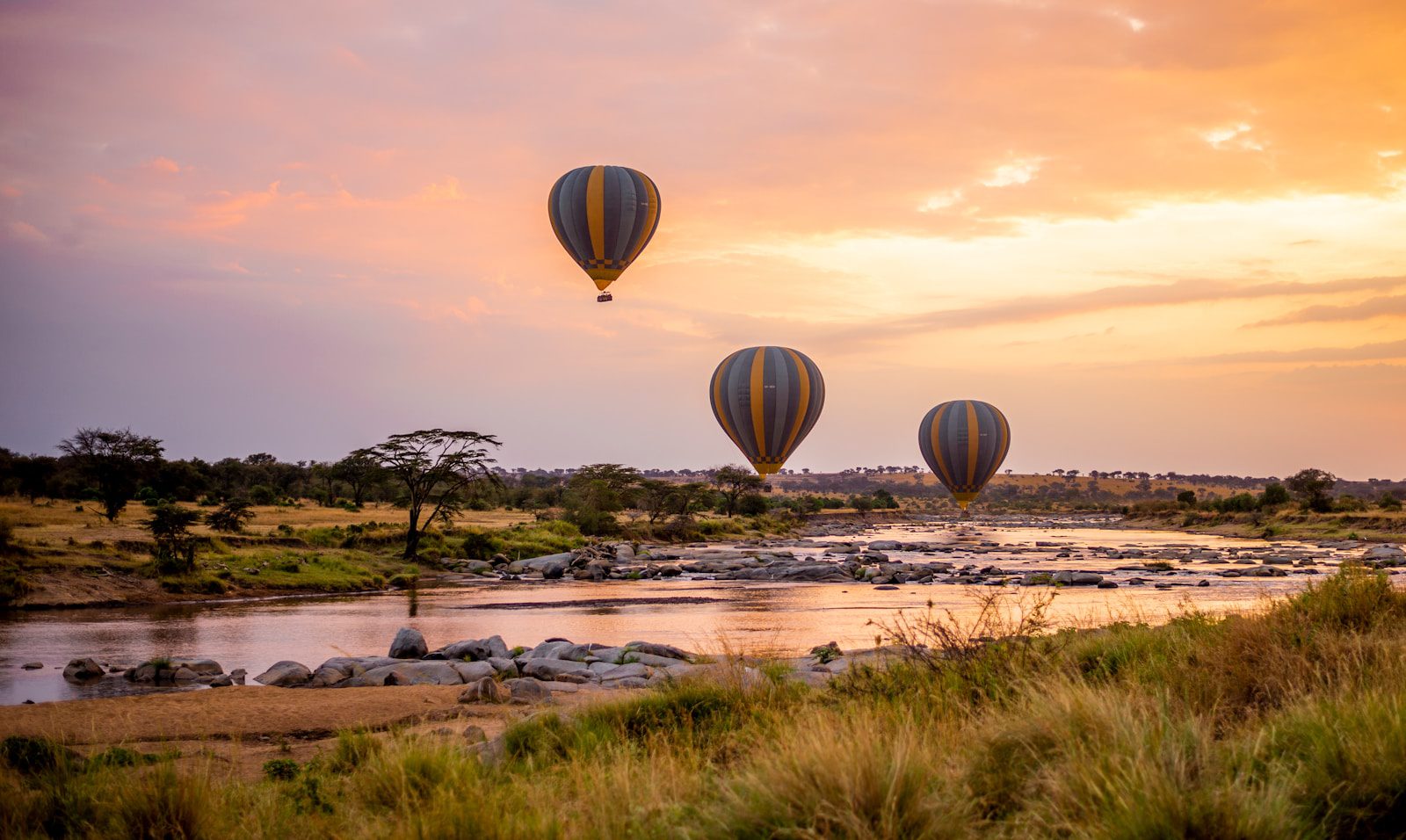
The Serengeti ecosystem, located in northern Tanzania, is a globally renowned natural wonder known for its vast savannahs, diverse wildlife, and the Great Migration, where millions of wildebeests, zebras, and gazelles traverse the plains annually. This UNESCO World Heritage Site is a prime destination for Tanzania safaris, offering opportunities to witness predators like lions, cheetahs, and leopards in their natural habitat. Key highlights within the ecosystem include the Serengeti National Park, the Ngorongoro Conservation Area, and the Grumeti River, each brimming with unique biodiversity and iconic landscapes. The Serengeti plays a crucial role in global biodiversity conservation and offers unforgettable experiences for nature lovers and adventurers alike.
What is the Serengeti ecosystem, and where is it located?
The Serengeti ecosystem is a vast, famous natural area in Africa, known for its incredible wildlife and breathtaking landscapes. It covers about 30,000 square kilometers (12,000 square miles) and is located primarily in northern Tanzania, with a smaller part crossing into southwestern Kenya. The word “Serengeti” comes from the Maasai language and means “endless plains,” which perfectly describes the wide, open grasslands that stretch as far as the eye can see. This region includes Serengeti National Park, the Ngorongoro Conservation Area, and parts of the Maasai Mara in Kenya.
The area isn’t just a single type of habitat, in addition to open grassy plains, it has woodlands, riverine forests (forests near rivers), and swamps, which support many different plants and animals. The Serengeti is also connected to important rivers, like the Mara and Grumeti Rivers, which provide water to wildlife during dry times.
In short, the Serengeti is one of the most iconic and important ecosystems on Earth. It’s a place that supports millions of animals, especially large mammals like zebras, wildebeests, lions, and elephants. It’s also home to some of the oldest human roots , fossil discoveries in the nearby Olduvai Gorge show that humans have lived in and around the Serengeti area for millions of years.
If you’ve ever seen stunning wildlife documentaries showing lions hunting or enormous herds of animals crossing rivers full of crocodiles, chances are you were watching scenes from the Serengeti! It’s an incredible place that helps us understand and appreciate the beauty and complexity of our natural world.
What are the defining geographical and climatic features of the Serengeti?
The Serengeti is famous for its vast, flat plains, but there’s actually a surprising variety of geography and climate across this ecosystem. The most recognizable feature is its rolling grasslands, which seem to stretch endlessly to the horizon. These grasslands are the perfect home for grazing animals like zebras and wildebeests. Alongside the plains, there are scattered acacia trees, and as you move closer to rivers, you’ll find lush forests growing in the fertile soil. Other parts of the Serengeti include rocky outcrops called kopjes (pronounced “kop-ees”), which are like natural stone towers rising out of the land. These kopjes are great spots for predators, such as lions and leopards, to watch for prey.
The climate of the Serengeti is generally warm, but it has two main seasons: a dry season and a wet season. The dry season lasts from June to October, and during this time, many rivers dry up, and the land becomes brown and dusty. Animals have to migrate or gather near remaining water sources. The wet season runs from November to May, with rains providing fresh green grass and filling up rivers and watering holes. This is when baby animals are born, and the landscape looks lush and vibrant.
The Serengeti also sits on a high plateau, so even though it’s near the equator (a place often associated with hot temperatures), its altitude keeps the climate relatively mild compared to lowland areas. Overall, the mix of flat grasslands, wooded areas, river systems, and seasonal rains creates a perfect balance for an incredible diversity of animals and plants, one of the reasons the Serengeti is so unique.
What types of wildlife are found in the Serengeti ecosystem?
The Serengeti is like a real-life version of “The Lion King,” packed with all sorts of iconic African wildlife. It’s best known for its massive herds of grazing animals, especially wildebeests, zebras, and Thomson’s gazelles. These animals migrate together in enormous numbers (over 1.5 million wildebeests alone!), making it one of the most impressive wildlife spectacles on Earth. There are also many giraffes, warthogs, buffalos, and elephants roaming the grasslands and woodlands.
Predators play a key role here too, and the Serengeti is particularly famous for its lions, you can find large lion prides that rule over specific territories. Other big predators include cheetahs (the fastest land animals!), leopards (masters of stealth and tree-climbing), and hyenas (known for their creepy laughs and strong scavenging skills). Packs of African wild dogs, which are sadly very rare today, also make the Serengeti their home.
Let’s not forget the small but mighty creatures, like meerkats, squirrels, and an incredible array of birds. There are over 500 species of birds in the Serengeti, including flamingos, ostriches, and eagles. Snakes like pythons and cobras slither through the grasslands too, and rivers are home to crocodiles and hippos. The larger rivers are also crucial to survival during the migration, where herds of animals must face dangerous crossings full of crocodiles waiting for a meal.
Together, this wildlife makes the Serengeti a wonderful tapestry of life. It’s not just about the big, attention-grabbing animals, either, every creature, from ants to elephants, helps keep the ecosystem balanced and thriving. The Serengeti is one of the last places on Earth where you can see such an incredible variety of animals living in their natural habitat.
What is the significance of the Serengeti’s Great Migration?
The Great Migration in the Serengeti is one of the most incredible natural events on Earth. It’s when millions of animals – primarily wildebeest, but also zebras and other species – move in a massive, circular journey across the Serengeti ecosystem in Tanzania and into Kenya’s Maasai Mara. This migration is incredibly important for the ecosystem and holds global scientific, environmental, and cultural significance.
Firstly, it’s a natural wonder due to its immense scale – over 1.5 million wildebeest, 200,000 zebras, and thousands of gazelles travel nearly 1,200 miles each year. They move because they’re searching for fresh grass and water, as the Serengeti has seasonal rains, and the animals have to follow the resources to survive. For example, during the dry season, the animals head to areas where rivers and permanent water sources are located. This migration cycle keeps the ecosystem healthy because the animals graze and fertilize the land as they pass, creating nutrient-rich soil that benefits plants and future grazing.
The migration also plays a vital role for predators like lions, leopards, and crocodiles, who rely on these massive herds for food. Without the migration, the entire food chain would collapse. Moreover, the Great Migration supports local economies through tourism. Visitors from all over the world travel to East Africa to witness this phenomenon, boosting the livelihoods of nearby communities.
Culturally and scientifically, the Great Migration is a symbol of the wonders of nature and its delicate balance. If disrupted by threats like habitat loss or climate change, it would have devastating consequences on the ecosystem. It’s a reminder of why we must protect large, interconnected landscapes like the Serengeti.
How do plants and vegetation support the Serengeti’s biodiversity?
Plants and vegetation are the foundation of life in the Serengeti. Without them, the vast array of wildlife there couldn’t survive. Vegetation provides food, shelter, and habitat for animals of all types, from the tiniest insects to the largest mammals.
For example, the Serengeti has a mix of grasslands, woodlands, and riverine forests, which create different environments for animals to live in. The grasslands support grazers like wildebeest, zebras, and gazelles. These animals rely on quick-growing grasses, which are made possible by the region’s seasonal rains. During the rainy season, plants flourish, providing the food that kickstarts the migration. In return, when grazers eat the plants and fertilize the soil with their manure, they help the grass grow back stronger.
Similarly, vegetation like acacia trees is important for browsers – animals like giraffes and elephants that eat leaves from trees instead of grass. These trees also offer shade and protection from predators for smaller animals. When elephants knock down trees or eat large amounts of vegetation, they play a role in shaping the Serengeti’s landscape, creating open areas for grasses to grow and supporting other species.
Even small plants are critical. Flowers, shrubs, and shrubs provide nectar and habitats for insects like bees, which are important pollinators. Streams surrounded by vegetation keep water systems healthy and give both drinking water and shelter for creatures like amphibians and birds.
Vegetation is also key to the climate and soil health of the Serengeti. Plants absorb carbon dioxide and help regulate temperatures. Their roots hold soil in place, preventing erosion that could destroy habitats. Without healthy plants, the entire Serengeti ecosystem wouldn’t be able to thrive.
What are the roles of predators and prey in maintaining the balance of the Serengeti ecosystem?
Predators and prey have a unique relationship that keeps the Serengeti ecosystem in balance. Think of it like a carefully choreographed dance – each group plays a crucial part, and if one is disrupted, the whole system can fall apart.
Prey animals, like wildebeest, zebras, gazelles, and others, are the herbivores that graze on the Serengeti’s grasslands. They help control plant growth by feeding on grass and shrubs. By grazing selectively, they also allow fresh grass to grow, which benefits not just themselves but other herbivores in the area. However, the prey population can grow very large because they reproduce quickly. If their numbers get too high, they could eat more plants than the ecosystem can handle, which would lead to overgrazing and damage to the land.
This is where predators step in and keep things in check. Predators like lions, cheetahs, hyenas, leopards, and crocodiles hunt the prey. By doing so, they keep herbivore populations from getting too large. For example, lions may focus on hunting weaker or older animals, which helps keep prey populations healthy and ensures that stronger ones survive and reproduce. Predators also help prevent overgrazing by spreading out prey populations. In places where prey know predators are around, they tend to move more frequently and avoid eating too much in one place.
This balance means that both predators and prey are necessary. If there were no predators, prey animals could overpopulate, destroy their food sources, and upset the whole ecosystem. On the other hand, without prey, predators would starve, which would also disrupt the balance. Together, predators and prey create a sustainable cycle that benefits all the plants, animals, and even the soil and climate of the Serengeti. This relationship is a reminder of how connected everything in an ecosystem truly is.
How do local communities interact with and depend on the Serengeti ecosystem?
Local communities living near the Serengeti have a deep relationship with the ecosystem, relying on it for food, water, income, and even cultural practices. Most people in these areas are farmers, livestock herders, or involved in small-scale businesses. The Serengeti provides grazing land for livestock, which is one of the key resources for pastoralist communities like the Maasai. For example, they move their cattle to areas near the Serengeti during dry seasons to access fresh grass and water. Without the Serengeti, these livelihoods would become much harder to sustain.
Tourism is another way the Serengeti supports local communities. Visitors from all over the world come to see the wildlife and landscapes, creating jobs in the form of guides, drivers, lodge staff, and more. For example, someone may work as a park ranger or sell handmade crafts and souvenirs to tourists. This flow of income helps families buy food, send their children to school, and improve their overall quality of life.
On the other hand, there are challenges. Wild animals sometimes wander out of the park and damage crops or threaten livestock, creating conflict between humans and wildlife. For instance, elephants might trample farmland, or lions might attack cattle. This makes local people feel that living near the Serengeti can sometimes be risky, even though they depend on it.
Community-based conservation programs help balance this relationship. Such programs aim to give local people a say in how the park is managed and share benefits like park fees or tourism revenue with them. For example, some initiatives fund schools, hospitals, or clean water projects in nearby villages, helping people feel the Serengeti is more of an asset than a burden.
What are the biggest threats facing the Serengeti ecosystem today?
The Serengeti faces numerous threats, including habitat destruction, poaching, human-wildlife conflict, and climate change. These threats come from both local and global factors and could harm the delicate balance of this unique ecosystem.
Habitat destruction happens when land outside the park is converted into farms, towns, or roads. For example, as human populations grow near the Serengeti, more forests and grasslands are cleared to plant crops or build houses. This reduces the space available for animals to migrate or find food. In some areas, fences block the paths wild animals need to follow during migration, which can disrupt their ancient patterns and reduce their chances of survival.
Poaching, or illegal hunting, is another major problem. Some people kill animals such as elephants for their ivory, rhinos for their horns, or other species for bushmeat (meat from wild animals). Even though conservation efforts have slowed poaching, it still happens, and it often targets animals that play important roles in the ecosystem.
Human-wildlife conflict, as mentioned earlier, also causes problems because humans and animals are competing for the same resources like water and land. For example, when predators like lions eat livestock or when elephants damage crops, local people sometimes retaliate by killing the animals, even if they are protected.
Lastly, climate change poses long-term dangers. Changes in rainfall can make it harder for plants to grow, which affects herbivores like zebras and wildebeests, and in turn, their predators like lions. For example, if droughts become more frequent, animals might not find enough water or food, leading to declines in population.
These threats show how important it is to protect the Serengeti through careful planning, enforcement of laws, and support for local communities who live near the park.
How is climate change impacting the Serengeti and its wildlife?
Climate change is having significant and worrying effects on the Serengeti. The most noticeable changes include altered rainfall patterns, rising temperatures, and more extreme weather events, like droughts. These changes are slowly reshaping the ecosystem, and they trickle down to affect the plants, herbivores, predators, and even humans who depend on the Serengeti.
Rainfall is the lifeblood of the Serengeti. Its vast grasslands depend on predictable wet and dry seasons to thrive. However, climate change is making rainfall less consistent. For example, some years may see heavy, unseasonable rains that cause floods, while other years experience severe droughts. This unpredictability is harmful to wildlife. Wildebeests and zebras, for instance, migrate following the rains to find fresh grass. If rainfall patterns shift or grasslands fail to regenerate, their migrations and survival are disrupted.
With rising temperatures, the Serengeti is becoming hotter, making it harder for animals to stay cool and find water. For instance, during a heatwave, waterholes may dry up faster, forcing animals to travel long distances for a drink, this weakens them and makes them more vulnerable to predators. Additionally, smaller species like birds or amphibians, which are more sensitive to temperature changes, may struggle to adapt and could even disappear from the region.
Extreme weather events are particularly damaging. For example, prolonged droughts not only kill plants and make food scarce for herbivores but also drive predators to desperate measures, sometimes pushing them closer to human settlements and causing conflicts. Similarly, floods can wash away animal habitats and damage infrastructure in and around the park.
In summary, climate change is stressing every part of the Serengeti’s delicate balance, from grass to lions. To mitigate these impacts, sustainable conservation efforts are key, along with global action to reduce climate change itself.
What efforts are being made to conserve and protect the Serengeti ecosystem?
The Serengeti is one of the most famous ecosystems on Earth, and many efforts are being made to conserve and protect it. These efforts involve governments, conservation organizations, scientists, local communities, and even tourists. The main goal is to preserve the area’s unique biodiversity as well as the health of its plants, animals, and natural processes, such as the Great Migration. Here’s how different strategies are helping:
First, anti-poaching programs are crucial. Poaching – the illegal hunting of animals – has been one of the biggest threats to iconic species like elephants and rhinos in the Serengeti. Rangers and patrollers are trained and equipped to prevent poaching. New technologies, like drones and GPS tracking, are being used to monitor wildlife and keep a close eye on animals, reducing illegal activities.
Second, conservation laws and protected areas are in place. The Serengeti National Park is a UNESCO World Heritage Site, meaning it’s recognized as a place of global importance that needs safeguarding. Within this protected space, human activities, such as hunting and large-scale development, are restricted to ensure wildlife has enough space to live and thrive.
Third, education and outreach programs help increase awareness. These efforts encourage local communities and tourists to understand the value of the Serengeti. For instance, tourists are encouraged to follow guidelines that reduce their environmental impact, such as keeping their distance from animals and avoiding littering. Similarly, local conservation programs help communities understand how protecting the ecosystem also benefits their own livelihoods.
Finally, partnerships between conservation groups and local communities ensure a sustainable coexistence. For example, programs that support eco-tourism allow locals to earn income from tourism while preserving wildlife. Others involve sustainable farming practices or employ locals in park management, so they have a stake in protecting the Serengeti.
Conservation of the Serengeti is a global effort. It requires teamwork, creativity, and commitment to make sure this incredible ecosystem survives for future generations.
What is the historical and cultural significance of the Serengeti region?
The Serengeti is not only valuable for its wildlife and natural landscapes but also for its deep historical and cultural importance. Historically, the Serengeti has been home to various indigenous communities, such as the Maasai people, who still live in the region today. The Maasai are a semi-nomadic group known for their colorful clothing, rich traditions, and long-standing relationship with the land and its animals. For centuries, they have depended on the Serengeti for grazing their cattle, gathering food, and sustaining their way of life, all while coexisting with the local wildlife.
From an archaeological perspective, the Serengeti region has been significant in understanding early human history. The nearby Olduvai Gorge, often called the “Cradle of Mankind,” is one of the most important archaeological sites in the world. Fossils and tools found there suggest that early humans lived in this area over 2 million years ago. These discoveries connect the Serengeti to our collective human story, illustrating how our ancestors lived and thrived in this part of Africa.
Culturally, the Serengeti is a symbol of Africa’s natural beauty and untouched wilderness. Across the globe, it represents the idea of wild, unspoiled nature. Indigenous traditions, stories, and myths about the animals and landscapes of the Serengeti have also shaped cultural identities in the region. For example, some Maasai traditions are directly tied to their interactions with lions, which they respect as powerful and symbolic creatures.
The Serengeti’s cultural and historical significance also influences art and tourism. Movies like The Lion King have introduced people worldwide to a romanticized vision of this unique ecosystem, influencing how they recognize and appreciate it.
Overall, the Serengeti isn’t just a place – it’s a historical and cultural treasure that holds meaning for humanity, from ancient history to modern society.
How does the Serengeti function as a global symbol of conservation and ecological importance?
The Serengeti has become a global symbol of conservation and ecological importance because it represents the idea of protecting the Earth’s natural wonders for future generations. Its vast grasslands, diverse wildlife, and the world-famous Great Migration are iconic images of untouched wilderness. Here’s why and how it functions as a global symbol:
First, the Serengeti showcases the success of conservation efforts. In the 20th century, the Serengeti faced major threats from hunting, poaching, and habitat destruction. But thanks to conservation actions, like establishing Serengeti National Park, wildlife numbers have been preserved, and species like zebras, wildebeests, and lions continue to thrive. The Serengeti is proof that humans can prevent the loss of nature when they act responsibly.
Second, it reminds the world of the importance of biodiversity. The Serengeti supports thousands of animal and plant species. Preserving this ecosystem isn’t just about protecting animals like elephants or cheetahs – it’s about maintaining a balance in the entire environment. This inspires other countries to take similar actions in conserving their natural habitats.
Third, the Serengeti is a symbol of the interconnectedness of all life. The Great Migration, where millions of wildebeest, zebras, and other animals move in a circular pattern across the plains, highlights the idea of ecosystems working together. It displays how animals, plants, and climate interact in perfect harmony when left undisturbed.
Finally, globally, the Serengeti brings attention to the dangers of human impact, like climate change and habitat destruction. It’s a reminder that places like this could disappear without proper care. It’s valued not only for its beauty but also for the lessons it teaches about the importance of global cooperation to protect Earth’s resources.
The Serengeti is more than just a stunning landscape – it’s a symbol of hope, responsibility, and collective action. By working to save it, humanity shows it understands the need to protect the planet as a whole.
How to Book Your Tanzania Safari
Now that we’ve simplified the magic of the Serengeti ecosystem, what it is, why it’s so special, and how it all works, you’re ready to experience it for yourself! From the awe-inspiring Great Migration to the rich diversity of wildlife, there’s nothing like seeing it up close. Don’t wait to turn your Serengeti dream into reality. Book your unforgettable adventure with one of the Best Safari Companies in Tanzania today. The Serengeti is calling, are you ready to answer?