
Visiting the Serengeti in October is an excellent choice for experiencing Tanzania safaris, as it’s the end of the dry season and prime time...
To get to Serengeti National Park, travelers typically fly into Kilimanjaro International Airport (JRO) or Arusha Airport (ARK) in Tanzania. From there, you can take a domestic flight to the Seronera Airstrip within the park or drive, which takes about 6-8 hours by car from Arusha. Many Tanzania safaris include transfers to the Serengeti, offering guided drives through the region. Alternatively, overland tours from Ngorongoro Conservation Area or other nearby parks are common. Booking with a reputable safari operator is the most convenient way to plan your journey.
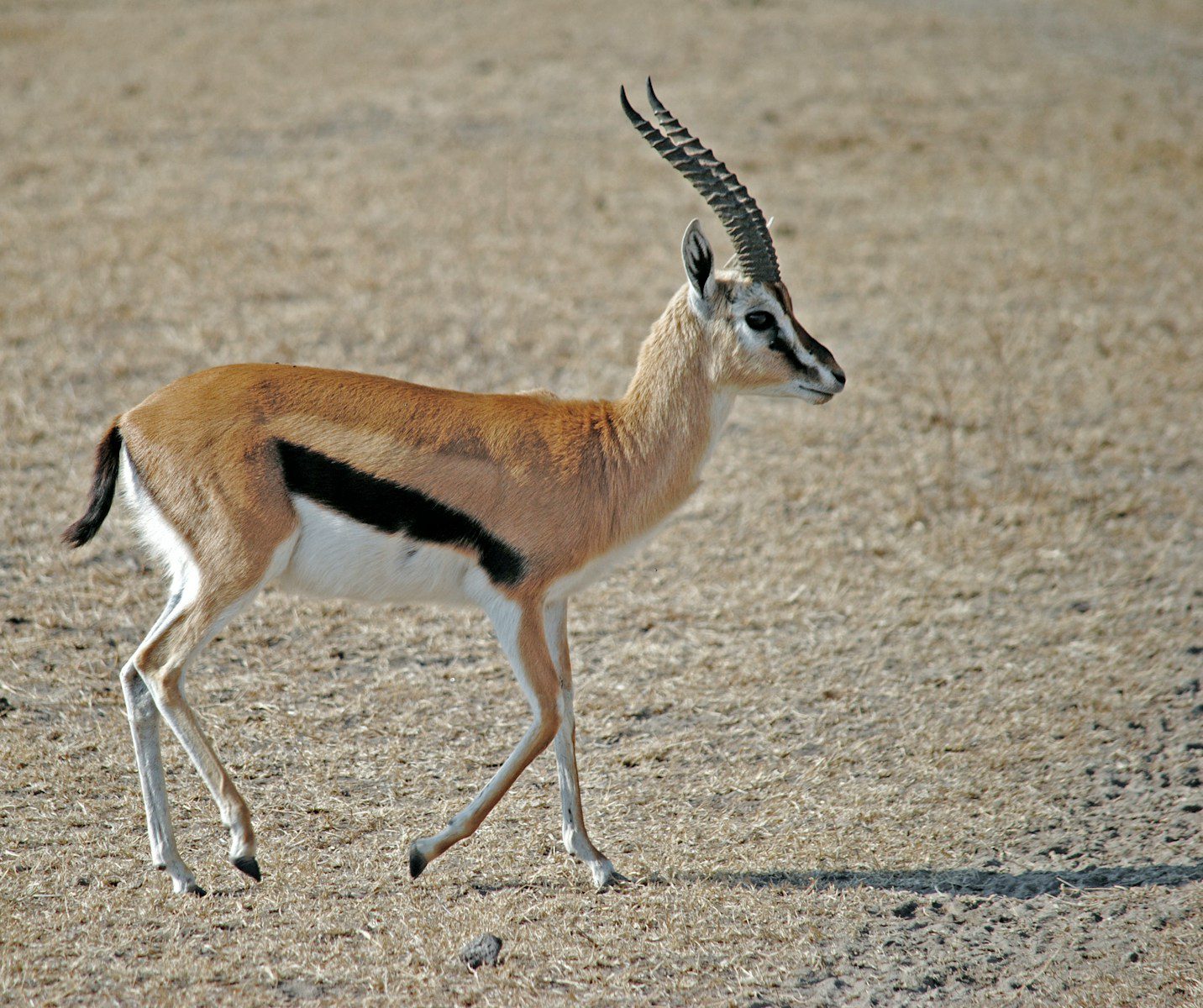
Where is Serengeti National Park located?
Serengeti National Park is located in northern Tanzania, which is a country in East Africa. The park is famous for its vast plains filled with wildlife, making it a UNESCO World Heritage Site and one of the most popular safari destinations in the world. It covers about 14,750 square kilometers (5,700 square miles), which is roughly the same size as the state of Connecticut in the United States or about half the size of Belgium.
The Serengeti is part of the larger Serengeti ecosystem, which also includes other protected areas like the Ngorongoro Conservation Area and the Maasai Mara in neighboring Kenya. This entire ecosystem is immensely important for wildlife because it supports one of the greatest migrations on Earth – the Great Wildebeest Migration. During this migration, millions of wildebeest, zebras, and gazelles move in search of fresh grass and water.
It’s also worth noting the Serengeti’s diverse landscapes, which include open savannahs (grassy areas with scattered trees), woodlands, and river valleys. These different habitats make it a home to many kinds of animals, from lions and elephants to cheetahs, giraffes, and over 500 species of birds.
To sum it up simply, the Serengeti is a huge national park in northern Tanzania, known for its rich wildlife and stunning landscapes, and it’s one of the best places in the world to experience African wildlife safaris.
What are the nearest airports to Serengeti National Park?
Several small airstrips located near or within Serengeti National Park make it easy for tourists to fly directly into the park. However, if you’re flying internationally, you’ll first land at a major international airport in Tanzania, like Kilimanjaro International Airport (JRO) or Julius Nyerere International Airport (DAR). From there, smaller domestic flights can take you closer to the park.
- Kilimanjaro International Airport (JRO): This airport is in Arusha, about 300 kilometers (185 miles) away from Serengeti National Park. It’s one of the main entry points for travelers heading to the Serengeti.
- Seronera Airstrip: Seronera Airstrip is located right in the central part of Serengeti National Park. Many small, chartered planes stop here, making it one of the most convenient options if you’re flying straight into the Serengeti.
- Kogatende Airstrip (Northern Serengeti): If you’re visiting the Serengeti to see the Great Wildebeest Migration along the Mara River, flying into Kogatende Airstrip makes sense because it’s closer to the migration route during certain months (July-October).
- Lake Manyara Airport: This is a domestic airport near Lake Manyara, not far from other northern Tanzania attractions like the Ngorongoro Crater. From here, you can drive or fly into the Serengeti.
In short, travelers reaching the Serengeti often combine an international airport like Kilimanjaro Airport with a smaller, domestic flight to airstrips like Seronera or Kogatende for the shortest travel time.
What transportation options are available to travel to Serengeti National Park?
You have two main transportation options to get to Serengeti National Park: by road or by air. Each has its own pros and cons depending on your budget, time available, and how adventurous you want your travel experience to be.
1. By Road:
Traveling by road to Serengeti is a popular choice for visitors who want to enjoy the scenic journey. You can start from cities like Arusha, which is the main gateway to northern Tanzania’s safari circuit. From Arusha, it takes around 6-8 hours by car to reach the Serengeti, depending on your exact entry point.
Good roads will take you through other iconic attractions like Tarangire National Park, Lake Manyara, and the Ngorongoro Conservation Area. This makes it a great option for people who want to explore more places along the way. However, keep in mind that some of the roads can be bumpy and dusty, so it’s not the most comfortable option for everyone.
Tour companies often provide 4×4 safari vehicles with experienced drivers. For example, you might take a guided road trip that includes a few stops at lodges or campsites for rest, meals, and sightseeing.
2. By Air:
Flying to the Serengeti is faster and more comfortable, though more expensive. From Arusha or Kilimanjaro International Airport, you can take small regional flights operated by local airlines like Coastal Aviation or Auric Air. These flights land directly at airstrips within or near the Serengeti, with popular ones including Seronera Airstrip and Kogatende Airstrip.
If you want to save time and skip a long bumpy drive, then air travel is the way to go. Plus, flying gives you breathtaking aerial views of the Serengeti’s sweeping plains, rivers, and wildlife.
Both options allow flexibility, and often, visitors combine them – for example, flying one way and driving the other to add variety to their trip.
Is it better to travel to Serengeti by road or by air?
Both options, traveling by road or by air, have their pros and cons, and choosing which is “better” depends on your priorities, such as time, budget, and experience. Let me break it down for you.
If you choose to go by air, the journey is much faster and less tiring. Flights from major cities in Tanzania, like Arusha or Dar es Salaam, can take you to airstrips close to Serengeti in just 1-2 hours. This is great if you’re short on time or don’t feel like spending hours on rough roads. Many small planes, like those flown by regional airlines, can actually land right in or near the park, saving you a lot of hassle. However, flying tends to be more expensive than traveling by road, so this option is ideal for people who prioritize convenience and are willing to pay extra to get there faster. Plus, you’ll get stunning aerial views of the Serengeti and other landscapes!
On the other hand, traveling by road offers a completely different kind of adventure. You might spend anywhere from 6-8 hours if you’re driving from Arusha to Serengeti, depending on road conditions and stops along the way. A road trip gives you more flexibility to visit places like Lake Manyara, Tarangire National Park, or the Ngorongoro Conservation Area along the way. It can also be cheaper, especially if you’re part of a group or sharing transportation. However, the roads leading to Serengeti, especially those closer to the park, can be very rough and bumpy, so it’s not for the faint-hearted or those prone to motion sickness. But some travelers love the immersive experience, you see local villages, small towns, and beautiful views at ground level.
In summary, fly if you want speed, comfort, and convenience. Drive if you’re looking for adventure, flexibility, or want to save money. A combination of both is also an option, fly one way and drive the other to get the best of both worlds!
Are there direct flights to Serengeti National Park or nearby airstrips?
Yes, there are! While there aren’t any large international airports directly in the Serengeti, there are multiple small airstrips located right inside or very close to the park. These airstrips, such as Seronera Airstrip, Kogatende Airstrip, and Grumeti Airstrip, are designed for small planes coming from regional cities like Arusha, Kilimanjaro, or even Dar es Salaam.
These flights are typically operated by smaller regional airlines like Coastal Aviation, Auric Air, and Regional Air. They are not “commercial flights” as you’d find with big airlines, it’s more like hopping on a small propeller plane with a few other travelers. Flying into an airstrip in Serengeti is quick and convenient, and these direct flights save you a lot of travel time compared to driving.
For example, let’s say you start in Arusha, a major safari hub in Tanzania. If you fly, it would take only about 1-1.5 hours to land at Seronera Airstrip, right in the heart of the park. From there, lodges and tour companies often arrange pick-ups to take you to your accommodation or safari areas. If you’re coming from farther cities like Dar es Salaam or Zanzibar, flights still only take about 2-3 hours.
One thing to note is that these airstrips don’t always operate like traditional airports, you won’t find big terminals or lots of facilities. It’s often a simple strip of land with some basic infrastructure, designed to get you right into the safari area quickly.
So, while there are no big international direct flights to Serengeti National Park, you can easily find domestic direct flights to the nearby airstrips. It’s a stress-free and time-saving option, and you’ll even get incredible aerial views of the endless plains!
How long does it take to reach Serengeti National Park from major Tanzanian cities like Arusha or Dar es Salaam?
The time it takes to reach Serengeti from major cities like Arusha or Dar es Salaam depends on your mode of transportation, whether you’re flying or driving.
Let’s start with flying. From Arusha, flight times to Serengeti airstrips (like Seronera or Kogatende Airstrip) are generally about 1-1.5 hours. If you’re flying from Dar es Salaam, which is farther away, flights take about 2-3 hours. These flights are perfect if you want to save time and arrive feeling fresh, ready to jump into your safari adventures.
Now, if you choose to drive, the journey takes a lot longer. From Arusha, the drive to Serengeti is typically around 6-8 hours, depending on traffic, road conditions, and where in the park you’re headed. The drive covers nearly 325 kilometers (about 200 miles), much of which is unpaved roads, especially the closer you get to the park. However, many travelers enjoy stopping at other attractions along the way. For example, you could visit Tarangire National Park, Lake Manyara, or the Ngorongoro Conservation Area, turning a long trip into a scenic, multi-day adventure.
From Dar es Salaam, driving to Serengeti would be even more challenging since it’s about 1,000 kilometers (620 miles) away. With such a long distance, most travelers either fly directly from Dar es Salaam or take a connecting flight to Arusha first and then proceed to Serengeti by air or road.
In summary:
- Flights are your fastest option: 1-1.5 hours from Arusha, 2-3 hours from Dar es Salaam.
- Driving takes much longer, around 6-8 hours from Arusha, and considerably more from Dar es Salaam (which isn’t recommended unless you really want a very long road trip).
Pick the option that works best for your schedule and travel style!
What is the best time of year to travel to Serengeti National Park?
The best time to visit Serengeti National Park depends on what you want to see, but generally, the dry season, from late June to October, is ideal. This is when wildlife is easier to spot because animals are concentrated around water sources, and vegetation is less dense. It’s also during this time, between July and October, that you can catch the Great Migration, when millions of wildebeests, zebras, and gazelles cross the Mara River into Kenya’s Masai Mara. Seeing this massive movement of animals is an unforgettable experience.
On the other hand, the green or wet season (November to May) is also a great time if you’re into birdwatching or want to see baby animals. During this season, the landscape is lush and green after the rains, and many herbivores give birth to their young between January and February. This time is also excellent for photography since the scenery is vibrant and beautiful. However, heavy rains, especially from March to May, can make travel and wildlife viewing more challenging.
So, the “best time” really depends on your priorities: dry season for wildlife density and the Great Migration, and wet season for a lush landscape, birdwatching, and baby animals. Keep in mind that the park can get crowded during the peak season (June to October), and accommodations fill up quickly, so plan in advance. Wildlife is present all year, so you can always have an incredible experience regardless of when you go.
Are there visa or travel document requirements to enter the area?
Yes, there are visa and travel document requirements to enter Tanzania, where Serengeti National Park is located. Most international travelers need a visa to visit Tanzania. A single-entry tourist visa is the most common type and allows you to stay up to 90 days. Some nationalities are eligible for visa-free entry or visa-on-arrival, but others must apply for a visa in advance through the Tanzanian embassy or consulate in their country.
Since 2019, Tanzania has also introduced an online e-visa system, making it easier to apply for a visa before your trip. You’ll need a passport valid for at least six months, a recent passport-sized photo, an itinerary, and sometimes proof of return travel when applying for the visa. The visa fee typically ranges between $50 and $100, depending on your nationality.
You should also ensure that your passport has several blank pages, as stamps are required when entering and leaving Tanzania. Additionally, some nationalities might be required to show proof of yellow fever vaccination, especially if you’re traveling from or transiting through a yellow fever-endemic country. Other health documents, such as COVID-19 vaccination proof or a negative PCR test, may also be required, so check the latest travel advisories and requirements before your trip.
It’s worth noting that Serengeti National Park itself doesn’t have special permits or requirements for entry, aside from the standard park fees. However, since it’s a remote area, you’ll need to ensure your general travel documents are in order to avoid problems at the borders or airports.
What are the costs associated with traveling to and entering Serengeti National Park?
Traveling to the Serengeti can be expensive or moderately priced, depending on your preferences and choices. Here are the main costs:
- Park Fees: To enter Serengeti National Park, you’ll need to pay park entry fees. For international tourists, the fee is about $70 USD per person per day for adults. Children aged 5–15 pay about $20. These fees go toward conservation efforts.
- Transportation Costs: Flying into Serengeti through nearby airstrips from cities like Arusha or Dar es Salaam can cost between $200–$500 for a one-way ticket. If you travel by car (self-drive or with a guide), you’ll have costs like fuel, car rental (about $100–$200 per day), and potentially a guide’s daily fee if you hire one.
- Accommodation Costs: Serengeti offers a range of accommodations. Luxury lodges and tented camps can cost anywhere from $500 to $2,000 per night per person. Mid-range lodges might cost $200–$500, while budget options like campsites may go as low as $50–$100 per night.
- Guided Tours: Most people visiting Serengeti join guided safari tours, which bundle costs like park fees, transport, accommodations, and meals. These packages range widely, from $150 per person per day (budget tours) to $1,000+ per day for luxury tours.
- Permits & Extras: Some specific activities, like hot air balloon safaris over the plains, cost extra, usually around $500–$600 per person.
In total, for a moderate 3–5 day Serengeti trip, you might expect costs to range from $1,500 to $3,000 for a mid-level experience (including flights, park fees, and lodges). Traveling on a budget? With careful planning, it’s possible to keep costs lower by camping or joining budget group tours. Always plan in advance, as prices can vary depending on the season and availability!
Are there guided tours available to Serengeti, or can I plan the trip independently?
Yes, you can choose between guided tours or planning an independent trip to Serengeti National Park. But for most people, guided tours are the simplest and most practical option, while independent trips require more effort and expertise.
Guided Tours: These are organized trips led by experienced safari guides and operators who handle everything for you. They take care of your transportation, accommodation, park entry fees, meals, and even itinerary planning. Guided tours can either be part of a bigger group (where you share a safari vehicle with others) or private, where the trip is customized just for you. Safaris with guides are great because they know the park well, can spot wildlife faster (like lions hiding in tall grass or rare birds in trees), and can share a lot of knowledge about the animals and environment. For example, a guide might explain the migration routes of wildebeests or point out important behavior in a leopard you’d otherwise miss.
Independent Travel: Yes, you can go to the Serengeti without a guide, but it’s not as easy. You’d need to arrange your own transportation (like a sturdy 4×4 vehicle), pay park fees independently, and book accommodation that’s spread across the vast area of the Serengeti. Additionally, navigating the park’s huge network of gravel and dirt roads is tricky, as they aren’t always well-marked. You also might not spot as much wildlife without a guide’s trained eyes and radio network to track animals actively.
Tips: Guided tours save you time and hassle and are ideal for first-time visitors. But independent trips can work if you’re experienced with safari planning and have enough knowledge about African wildlife and geography. You can even combine the two by driving yourself but hiring a guide for parts of your visit (most lodges and camps offer this).
What accommodations are available within or near Serengeti National Park?
There are a wide range of accommodation options in and around Serengeti National Park, catering to different budgets and preferences. These include luxury lodges, mid-range camps, budget camping, and mobile safari camps.
Inside the Park: Staying inside the Serengeti gives you the advantage of being close to the wildlife, so you’re already on-site when game drives begin early in the morning.
- Luxury Lodges: These are high-end, all-inclusive resorts or lodges located in scenic spots. For example, Four Seasons Safari Lodge Serengeti offers private villas, infinity pools, gourmet meals, and even a waterhole nearby where you can see animals while relaxing.
- Tented Camps: These offer a mix of comfort and rugged safari adventure. Don’t confuse these with normal campgrounds! Tented camps provide proper beds, en-suite bathrooms, and hot meals served under the stars. Examples include Lemala Ewanjan Tented Camp and Sanctuary Kichakani Serengeti Camp.
- Mobile Camps: Some camps move locations during the year to follow the Great Migration, giving you a front-row seat to see wildebeest and other animals during their journeys.
Outside the Park: Around the park’s edges, there are accommodations in towns or private reserves like the Ngorongoro Conservation Area. These are often slightly cheaper than staying inside Serengeti but still convenient for accessing the park.
- For Budget Travelers: Hostels, guesthouses, and basic camping sites are available in towns like Karatu or Arusha, which is roughly 6-7 hours’ drive away.
Booking Tip: Book early, especially during peak migration season (June to October) when accommodations are in high demand.
Are there safety or health precautions specific to traveling to the Serengeti?
Yes, there are several safety and health precautions to be aware of before and during your trip to the Serengeti. These will help ensure your safari is safe and enjoyable!
Health Precautions
- Vaccinations: Make sure your vaccinations are up-to-date. Recommended vaccinations usually include yellow fever (required if traveling from a country with yellow fever risk), hepatitis A and B, typhoid, and tetanus.
- Malaria Prevention: The Serengeti is a malaria-risk area, so it’s essential to take antimalarial medication (talk to your doctor before traveling). Use mosquito repellents with DEET and sleep under treated mosquito nets.
- Food and Water Safety: Drink bottled or filtered water to avoid stomach issues. Avoid uncooked foods unless you trust the hygiene conditions (e.g., salads or unpeeled fruits).
Safety Precautions
- Wild Animals: Always listen to your guide when on a game drive or walking safari. Stay inside the safari vehicle unless explicitly directed to exit, it’s not a zoo, and animals roaming freely are unpredictable. For example, elephants, lions, and buffalos may look calm but can charge if provoked. Never feed or approach wildlife.
- Personal Safety: Serengeti is generally safe, but it’s essential to secure valuables, especially when staying in camps or lodges. Most accommodations have lockable safes.
- Travel Insurance: Make sure your travel insurance covers medical evacuation, as medical facilities in the Serengeti are limited. If there’s a serious emergency, you might need to be airlifted to Arusha or Nairobi for treatment.
- Sun Protection and Hydration: It gets very sunny in the Serengeti, so wear sunscreen, hats, and light, long-sleeved clothing to avoid sunburn. Drink lots of water to avoid dehydration.
With some preparation and care, the Serengeti is an incredible, bucket-list destination for travelers and offers unforgettable experiences!
How To Book Your Tanzania Safari
So, now you know the what, how, and why of getting to Serengeti National Park, from understanding your transport options to knowing the best routes for an unforgettable adventure! Ready to turn those travel dreams into reality? Let the experts handle the details and make your journey stress-free. Check out the Best Safari Companies in Tanzania and book your Serengeti safari today.