
To get to Serengeti National Park, travelers typically fly into Kilimanjaro International Airport (JRO) or Arusha Airport (ARK) in Tanzania. From there, you can...
Visit Serengeti in February for an extraordinary experience during Tanzania safaris, as this is the prime time to witness the Great Migration calving season. Thousands of wildebeest, zebras, and gazelles give birth on the lush southern plains, attracting predators like lions and cheetahs, making wildlife viewing spectacular. The Serengeti’s central and southern regions, including Ndutu and Kusini, are ideal spots for action-packed game drives. February also offers pleasant weather, with fewer crowds compared to peak months, creating an intimate safari experience. Visitors can enjoy activities like guided game walks, hot air balloon rides, and photography in one of Africa’s most iconic destinations. Plan your trip to Tanzania’s Serengeti National Park to capture the essence of its rich wildlife and landscape.
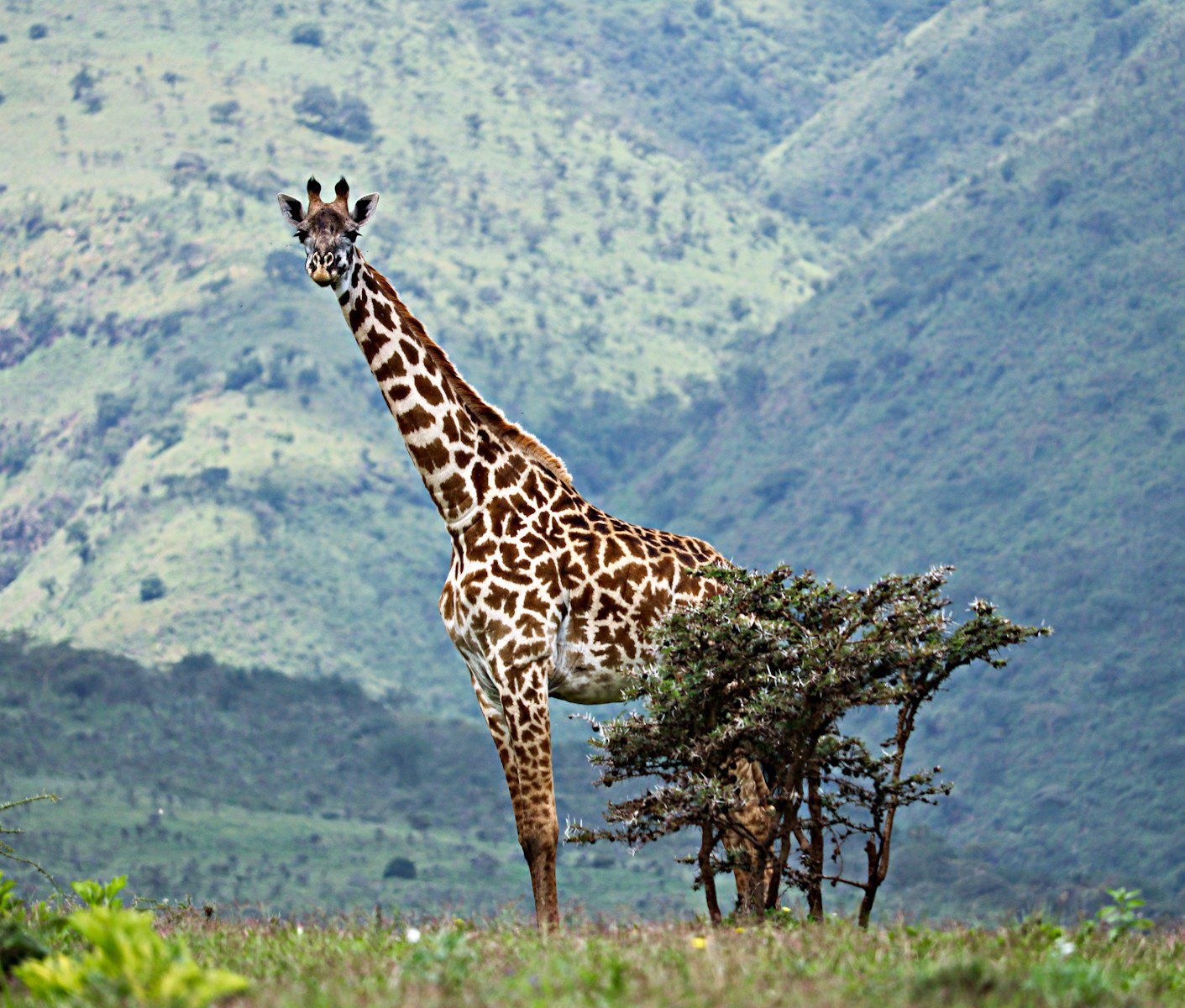
What is the Serengeti, and where is it located?
The Serengeti is a vast ecosystem and national park located in East Africa, primarily in northern Tanzania, with a small portion extending into southwestern Kenya. It’s one of the most famous wildlife conservation areas in the world and is known for its endless grassy plains, rich biodiversity, and incredible animal migrations.
The name “Serengeti” actually comes from the Maasai word “Siringet,” which translates to “the land of endless plains.” This is a great way to describe Serengeti National Park because when you’re there, it feels like the horizon just keeps stretching on forever.
The Serengeti spans an area of about 14,763 square kilometers (5,700 square miles), so it’s enormous! It’s a mix of open grasslands, savannas, woodlands, and river-filled valleys. The park itself is part of the larger Serengeti ecosystem, which also includes Kenya’s Maasai Mara Reserve (north of the Serengeti across the border). This larger ecosystem is home to some of the most famous wildlife on Earth, including lions, elephants, zebras, giraffes, hyenas, wildebeests, and more.
The Serengeti is perhaps best known for the “Great Migration.” This is when millions of wildebeests, zebras, and other animals move en masse in search of water and fresh grass, traveling in a continuous circle through the Serengeti and Maasai Mara throughout the year. This incredible migration is one of nature’s most spectacular sights.
If you’re imagining a place where you can see wild animals roaming free and untouched by the modern world, then the Serengeti is exactly like that! It’s also a UNESCO World Heritage site because of how important it is both ecologically and globally.
Why is February a good time to visit the Serengeti?
February is an amazing time to visit the Serengeti because it’s the height of the calving season. This is when millions of wildebeests and zebras give birth to their babies, usually in regions like the southern Serengeti, which includes areas like Ndutu and the Ngorongoro Conservation Area.
The timing works like this: Wildebeest herds plan their calving season during this part of the year because the rains in January and February make the grasslands lush and abundant with food. It’s a survival strategy for their newborns, as the young animals can grow quickly in this environment, and the large number of births all at once helps ensure that many of them survive (predators can’t hunt every single newborn in such a massive group).
For visitors, this calving season is magical to witness. You’ll have a chance to see thousands of baby wildebeests and zebras taking their first steps. Imagine seeing a baby animal wobbling on its legs for the first time, it’s absolutely heartwarming!
Another reason February is a perfect time is that predators like lions, cheetahs, and hyenas are highly active during this period. With so many newborn prey around, these predators have a lot of hunting opportunities, so you’ll likely see some dramatic wildlife interactions during safaris.
February is also great because it’s part of Tanzania’s “green season.” Although there might be occasional rains, the bush and plains are vibrant, lush, and green, which makes the scenery breathtaking. The green season is less crowded with tourists compared to the dry season (June–October), so it feels quieter and more intimate.
In short, February offers a mix of abundant wildlife, dramatic predator-prey action, adorable baby animals, and gorgeous landscapes. For anyone who loves nature, it’s a fantastic time to visit!
What is the weather like in the Serengeti in February?
In February, the weather in the Serengeti is part of the region’s “green season,” which means you can expect warm temperatures combined with occasional rains. Don’t worry if the mention of rain sounds discouraging, it tends to come in short, refreshing bursts, typically in the afternoons or evenings, and it helps make the landscape lush and green during this time.
Daytime temperatures in February are generally comfortable, sitting around 25–30°C (77–86°F). It can feel warm while you’re out on a game drive but not unbearably hot. Early mornings and evenings can be cooler, with temperatures dropping to around 15–18°C (59–64°F). If you’re heading out on an early morning safari, you might want to wear a lightweight jacket until the sun rises and warms things up.
Because it’s the rainy season, expect to see some cloud cover in the skies, which can make for stunning views during sunset and sunrise over the plains. The occasional rain showers during February attract wildlife to the lush, green grasslands, creating incredible photographic opportunities.
The rainy season also leads to fewer crowds of tourists in the Serengeti, which means you can enjoy a peaceful and more exclusive safari experience without too many vehicles around. It’s worth noting that the southern Serengeti, where much of the calving happens, remains accessible during this season because it’s not as affected by heavy mud or flooding compared to some other parts of East Africa.
In summary, February in the Serengeti offers warm days, cooler mornings, some refreshing rain, and beautiful green landscapes. It’s a wonderful time to explore if you don’t mind the occasional rain shower and love the idea of vibrant scenery and wildlife-filled grasslands!
What wildlife can be seen in the Serengeti during February?
In February, the Serengeti becomes a lively hub for wildlife because it’s calving season! This is the time of year when about 500,000 wildebeest give birth to their young in mere weeks. Imagine the vast plains dotted with thousands of newborns taking their first steps just minutes after being born! These babies are adorable but also vulnerable to predators, which makes February an intense and action-packed time for wildlife in the Serengeti.
Apart from the wildebeest calves, you can also spot zebras, as they are part of the Great Migration as well. They often graze alongside the wildebeest, forming mixed herds since zebras eat the taller grasses, leaving the shorter ones for their wildebeest buddies. Other herbivores like gazelles and antelopes are also common during this time.
Predators such as lions, cheetahs, hyenas, and leopards take full advantage of this abundance of prey. They are particularly active in February, so it’s one of the best times to watch these predators hunt. For instance, you might see a pride of lions carefully stalking a herd of wildebeest or a cheetah sprinting after a gazelle in the open plains.
Bird enthusiasts will also enjoy February in the Serengeti. The region is home to over 500 bird species, and during this time, many migratory birds from Europe and Asia can be spotted. For example, you might catch sight of flamingos, secretary birds, or even kori bustards, the world’s heaviest flying bird.
To summarize, February in the Serengeti offers an amazing opportunity to witness adorable baby animals, dramatic predator-prey interactions, and vibrant birdlife – a dream for nature lovers!
Is February part of the Great Migration in the Serengeti?
Yes, February is a key part of the Great Migration in the Serengeti! While the massive herds of wildebeest, zebras, and other animals do migrate throughout the year, February marks a special stage in the cycle: the calving season. During this month, most of the herds are found in the southern Serengeti, particularly in the Ndutu region (on the border of the Serengeti and Ngorongoro Conservation Area), where they gather to give birth.
The Great Migration is world-famous, and February is one of the best months to witness it because of the calving event. Around half a million baby wildebeests are born during this time. What’s incredible is that these calves don’t stay helpless for long – they are able to stand and walk within minutes of being born, and in a few days, they’re already running alongside the herd.
Predators also play a huge role in the drama that unfolds during the migration. Lions, cheetahs, hyenas, and jackals are in full hunting mode, taking advantage of the abundance of prey. While it might sound sad, it’s all part of the natural balance of the ecosystem.
For visitors, February offers a chance to see an essential part of the Great Migration that’s not just about movement but also about survival and new beginnings. Watching predators pursue their prey or spotting a newborn wildebeest alongside its mother will leave you in awe of nature’s cycle of life. So yes, February is a vital and unique time within the Great Migration, with plenty of unforgettable moments for visitors!
What activities and experiences are available for visitors in February?
February in the Serengeti offers a wide variety of activities and experiences, with a focus on wildlife and the stunning natural environment. Whether you’re a first-time visitor or a seasoned safari-goer, February has something special for everyone.
Game Drives
The most popular activity is going on game drives, which are guided tours through the park in safari vehicles. In February, game drives are especially thrilling because you can watch the calving season up close, see newborn wildebeest and zebras, and observe predators stalking their prey. Game drives typically happen early in the morning or late in the afternoon when the animals are most active.
Witness Predator-Prey Interactions
For those interested in action-packed nature moments, February is ideal. You might see lions hunting as they stalk herds of wildebeest, or cheetahs chasing down gazelles. The drama of the wild is very apparent during this season.
Birdwatching
February is also a fantastic month for bird enthusiasts. With so many migratory birds flocking to the region, you’ll have a chance to see colorful species like flamingos, crowned cranes, or even raptors like martial eagles.
Guided Nature Walks
If you want to experience the Serengeti on foot, some lodges and tour operators offer guided nature walks. These are led by experts who ensure safety while teaching you about the smaller details of the ecosystem, such as plants, insects, and tracks left by animals.
Hot Air Balloon Rides
A hot air balloon safari is an unforgettable way to see the Serengeti. As you float over the plains during sunrise, you can spot herds of wildebeest, elephants, and other wildlife from above. February’s clear weather makes this an especially good time for a balloon ride.
Cultural Experiences
Some tours include visits to Maasai villages, where you can learn about local customs, traditions, and daily life. The Maasai people are known for their colorful attire, unique dances, and deep connection to the land.
Whether you’re tracking wildlife, flying high in a balloon, or learning about local culture, February in the Serengeti offers experiences to suit everyone. It’s a magical time to immerse yourself in one of the most famous natural landscapes in the world!
Are safaris in February different from other times of the year?
Yes, safaris in February can feel quite different from safaris during other times of the year because February is part of the Serengeti’s calving season. During this time, many of the animals, particularly the wildebeests, give birth to their calves. This makes February a really exciting period for wildlife enthusiasts because the plains are teeming with adorable baby animals like wildebeests, zebras, and gazelles. It’s a vibrant season full of life and activity.
Predators like lions, cheetahs, and hyenas are also more active during February because all these newborn animals provide a major food source. The drama of survival is on full display – you might witness a playful baby animal one minute and then a high-stakes predator hunt the next. This level of action makes February safaris feel dynamic and unique.
Another significant difference is the location of the wildlife during February. Since the Great Migration’s wildebeest herds are in the southern Serengeti at this time, most safaris focus on that area. The southern Serengeti is known for its vast open plains, and during February, it transforms into an exciting hub of wildlife activity. Compared to other months, when the migration shifts to central or northern parts of the park, February offers a more concentrated viewing experience in one specific area.
Additionally, the weather in February is generally warm and dry, making it comfortable for game drives. The grass isn’t too high, which provides good visibility for spotting animals. Compared to other times of the year, like the rainy season, February safaris are logistically easier because the roads are more accessible, and the animals are easier to see.
Examples: In July or August, safaris focus on the northern Serengeti and the thrilling river crossings of the Great Migration. February safaris, on the other hand, highlight baby animals and predator-prey interactions. These seasonal variations make February distinct and worth experiencing.
What should I pack for a trip to the Serengeti in February?
Packing for a trip to the Serengeti in February requires thoughtful preparation because you want to stay comfortable while being prepared for both warm days and cooler mornings or evenings. Here’s what you should bring:
- Lightweight, breathable clothing: February is warm in the Serengeti, so pack clothes that are made of light fabrics like cotton or linen. Neutral colors like khaki, beige, or olive are ideal because they help you blend in with the environment and reduce attention from wildlife or insects.
- Layers for cooler mornings and evenings: Although February is warm during the day, mornings can be chilly. Bring a light jacket, fleece, or sweater that you can layer on top of your clothes and then easily take off as the day heats up.
- Comfortable shoes: Safaris often involve some walking (though not too much), so sturdy, closed-toe shoes like hiking shoes or sneakers are a must. These protect your feet and keep you comfortable during outdoor activities.
- Sun protection: The Serengeti has strong sunlight, so pack a wide-brimmed hat, sunglasses, and sunscreen with a high SPF rating to avoid sunburn.
- Bug repellent: Mosquitoes and other insects can be present, so bring good-quality insect repellent to protect yourself from bites. Long-sleeve shirts and long pants can also help in the evenings.
- Binoculars and camera: To truly appreciate the incredible wildlife, binoculars are incredibly useful for getting close-up views. If you love photography, a camera with a zoom lens is essential for capturing memorable moments.
- Reusable water bottle: Staying hydrated is very important, especially in the warm temperatures of the Serengeti. Many lodges provide filtered water, so a reusable water bottle is both eco-friendly and practical.
- Personal items: Don’t forget personal toiletries, a small first-aid kit, and any medications you need. Having wet wipes and hand sanitizer can also be helpful.
- A good day pack: To carry all these essentials during your game drives and excursions, bring a lightweight backpack or day pack.
By packing these items, you’ll be ready for the Serengeti’s climate and unique safari experience in February. Example: Think of it as preparing for a warm camping trip with the luxury of safari lodges!
What are the accommodation options available in the Serengeti in February?
In February, the Serengeti offers a range of accommodation options to suit different budgets and styles, whether you prefer a luxurious, all-inclusive lodge or a close-to-nature camping adventure. Here’s what to expect:
- Luxury Safari Lodges: These are the top choice for travelers who want comfort, convenience, and excellent service. Luxury lodges often have large, comfortable rooms or suites, spa-like amenities, swimming pools, and gourmet dining. They’re typically located in prime wildlife-viewing areas. An example is the Four Seasons Safari Lodge Serengeti. Staying at a lodge like this means you can enjoy stunning views of the plains from your balcony while sipping coffee!
- Mobile Tented Camps: These camps are semi-permanent, meaning they move throughout the year to follow the Great Migration. In February, many mobile camps set up in the southern Serengeti, which is where the migration herds are during calving season. Tented camps offer a more immersive experience, as they allow you to sleep closer to nature without sacrificing comfort. They typically include plush beds, en-suite bathrooms, and delicious meals. Examples include Lemala Ndutu Camp or Serengeti Under Canvas.
- Mid-range Lodges and Camps: This option is ideal for travelers looking for a balance between comfort and affordability. These lodges and camps offer clean, comfortable rooms, good food, and easy access to wildlife. Examples include Kubu Kubu Tented Camp and Mbalageti Serengeti.
- Budget Camping: For adventurous travelers, camping is the most budget-friendly option. Basic camping involves staying in simple tents at public campsites, often with communal facilities. This is a great way to keep costs low and enjoy the Serengeti in a more rugged, authentic way. However, you’ll need to book through a tour operator, as self-drive adventures aren’t common in the Serengeti.
- Specialized Accommodations: Some options are tailored to specific needs, like family-friendly lodges with kid-focused activities or eco-lodges designed for sustainable travel. These accommodations provide extra value depending on your travel goals.
No matter your choice, most accommodations offer guided safaris, delicious food, and opportunities to relax amidst breathtaking scenery. Planning in advance is key because February is a popular season due to the calving and Great Migration activity!
Are there any special events or cultural activities in the region during February?
In February, the Serengeti and the surrounding areas don’t host large-scale, internationally recognized cultural events, but several fascinating local traditions and activities make a visit culturally rich. This is especially true if you take time to learn about and engage with the communities that live near the Serengeti, such as the Maasai people.
The Maasai are an indigenous group known for their vibrant clothing, unique jewelry, and traditional dances. While February doesn’t have a specific Maasai festival, many lodges and cultural tours allow visitors to interact with the community. You might see traditional singing, dancing, or even participate in activities like the Adumu, a famous jumping dance performed by young Maasai warriors. Visiting a Maasai village is a great way to learn about their history and lifestyle. For example, they herd cattle as a sign of wealth, build “bomas” (traditional homes), and live sustainably off the land.
Additionally, February is significant within the Serengeti because of natural events rather than cultural ones. It’s during this time that the Great Migration calving season occurs. The Great Migration is one of the world’s most spectacular wildlife movements involving millions of wildebeest, zebras, and gazelles. In February, these animals gather in the Southern Serengeti plains to give birth to young calves. While this isn’t a human cultural event, it’s a deeply “natural” spectacle that shows the rhythm of life in this region.
To truly appreciate the Serengeti, consider combining cultural and wildlife experiences. For example, after witnessing a sunrise safari, you could visit local markets on the edges of the national park. These markets sell food, crafts, and traditional items. Engaging with local guides and communities often brings the added bonus of authentic storytelling about their way of life.
Ultimately, February is more about experiencing a connection between nature and local traditions than big, flashy events. This makes visiting both peaceful and profoundly educational.
How can one get to the Serengeti, and what are the transportation options?
Getting to the Serengeti involves a mix of international and regional travel. The journey typically starts with flying into Tanzania, landing at either Kilimanjaro International Airport (JRO) near Arusha or Julius Nyerere International Airport (DAR) in Dar es Salaam. Kilimanjaro is closer to the Serengeti and is a common starting point for many safari-goers. From these airports, you’ll need to travel to the Serengeti itself, located in northern Tanzania.
Once you’re in Tanzania, you have two main transportation options to reach the Serengeti:
- By Air: Many visitors opt to take a domestic flight from cities like Arusha or Dar es Salaam directly to airstrips within or near the Serengeti. These flights are often managed by smaller airlines like Coastal Aviation or Auric Air. For example, you might fly directly to Seronera Airstrip in the central Serengeti, which provides easy access to different parts of the park. Flying saves a lot of time (about 1-2 hours depending on the route) and offers stunning aerial views of the landscape. It’s a bit more expensive but very convenient.
- By Road: You can also take a road trip from Arusha to the Serengeti, which is about 8-10 hours depending on your destination within the park. This route passes through some of Tanzania’s other iconic spots like Ngorongoro Conservation Area, so it’s a scenic drive worth considering. However, the roads can be bumpy, so it’s best to use a 4×4 provided by a safari company or hire one with an experienced driver. Groups on organized safaris often travel this way as part of a larger itinerary.
Once you’re in the Serengeti, transportation within the park is typically arranged by your safari company or lodge. They’ll take you on game drives in open-roof 4×4 vehicles, which are specially designed to handle the rugged terrain and provide great views for wildlife watching.
If you’re planning on using public transportation to nearby towns, it’s less common and not always reliable for travel deep into the Serengeti. Private charters, buses (to gateway towns like Arusha), or organized tours tend to be the best options for travelers who want a smoother experience.
Are there any travel safety tips or precautions to keep in mind for visiting the Serengeti in February?
Traveling to the Serengeti in February can be a thrilling experience, but it’s essential to follow safety tips and take precautions to ensure your trip is smooth and enjoyable. Here are some key points:
- Health Precautions: Tanzania is in a tropical region, so diseases like malaria are a potential concern. Using insect repellent, wearing long-sleeved clothing during dawn and dusk, and sleeping under a mosquito net are good preventive measures. Consult with your doctor before you travel and consider getting recommended vaccinations, such as yellow fever (if traveling from a specific country) or Hepatitis A.
- Wildlife Safety: The Serengeti is home to wild animals like lions, elephants, and hippos. Always follow your guide’s instructions during game drives or walks. Never wander off alone, and avoid making loud noises or sudden movements that might provoke animals. For example, if you encounter an elephant, staying calm and keeping your distance is key.
- Stay Hydrated and Protect Against the Sun: February is part of the short dry season in Tanzania, so the weather can be warm. Carry water bottles to stay hydrated, apply sunscreen, and wear a wide-brimmed hat or sunglasses to protect yourself from the sun.
- Travel Documents: Ensure you have a valid passport, visa (if necessary), and any permits required for visiting the Serengeti or protected parks. It’s also a good idea to carry copies of these documents in case the originals are misplaced.
- Pack Wisely: Bring comfortable, neutral-colored clothing (to avoid standing out or scaring animals), sturdy shoes, and a light jacket for cooler mornings. Don’t forget essentials like a flashlight, binoculars, or a first aid kit.
- Transportation Caution: If traveling by road, ensure your vehicle is in good condition (especially if self-driving). Roads to the Serengeti can be rough and unpaved. It’s safer to book through a safari tour operator so that everything is organized for you.
- Respect Local Customs and Laws: Be respectful when visiting local villages or interacting with locals. Always ask for permission before taking photos and avoid making assumptions about their culture or traditions.
Lastly, keep an eye on official travel advisories for Tanzania before your trip, as they can provide up-to-date information on any potential safety concerns.
By keeping these precautions in mind, you’ll maximize your chances of having an amazing and safe adventure in one of the world’s most incredible destinations.
How To Book Your Tanzania Safari
So, why visit Serengeti in February? It’s when the Great Migration peaks with thousands of baby wildebeests taking their first steps, it’s a stunning time for wildlife lovers! And how do you make this unforgettable adventure happen? Easy! Just partner with the best safari companies in Tanzania to ensure every detail of your trip is expertly handled. Ready to experience the magic? Click here to book your Serengeti safari today, you’re just one step away from the adventure of a lifetime!