
To get to Serengeti National Park, travelers typically fly into Kilimanjaro International Airport (JRO) or Arusha Airport (ARK) in Tanzania. From there, you can...
Visiting the Serengeti in January offers incredible wildlife-viewing opportunities, as it’s the start of the Great Migration calving season. During this time, thousands of wildebeest, zebras, and antelopes give birth, attracting predators like lions, cheetahs, and hyenas, making it ideal for witnessing dramatic predator-prey interactions. January typically brings warm temperatures and short rains, which create lush landscapes, perfect for photography. It’s also a great time for exploring Tanzania safaris, combining the Serengeti with nearby destinations like Ngorongoro Crater or Tarangire National Park. Additionally, January is less crowded compared to peak travel months, providing a more peaceful experience. For wildlife enthusiasts and photographers, the Serengeti in January is an unforgettable destination.
What is the weather like in the Serengeti in January?
The weather in the Serengeti in January is part of the “wet season,” but not the heavy rains you might imagine, it’s more of a mild wet season often referred to as the “short rains period.” The Serengeti is located in East Africa, specifically in northern Tanzania, near the equator, so you can expect warm temperatures throughout the day. During January, daytime temperatures usually range between 25°C and 30°C (about 77°F to 86°F). It can feel pleasantly warm and not overly hot due to the elevation of the Serengeti, which averages around 1,100 to 1,500 meters (3,600 to 5,000 feet) above sea level.
The mornings and evenings can be cooler, with temperatures dipping to around 15°C (59°F), so you might need a light jacket or sweater for early game drives. Rainfall in January is usually light and sporadic, coming in short bursts rather than prolonged downpours. These brief rains help nourish the lush green landscape, as this is one of the most productive months for plant growth. The Serengeti at this time looks stunning with green grasslands stretching as far as the eye can see, making it very picturesque.
In summary, January is warm, with mild, scattered rain showers that break up the day. The rains also bring out a vibrant, green environment, adding to the beauty of the Serengeti.
Is January a good time to visit the Serengeti for wildlife viewing?
Yes, January is an excellent time to visit the Serengeti for wildlife viewing, especially if you’re interested in seeing the Great Wildebeest Migration. This is one of the best months to witness a unique stage of the migration cycle, the calving season. During January, huge herds of wildebeest, zebras, and gazelles are gathered in the southern Serengeti plains because this area has nutritious grass essential for feeding their newborns.
The calving season is when hundreds of thousands of wildebeest give birth within a span of just a few weeks. This means you’ll see lots of baby animals during your safari, and many are just hours or days old! It’s incredible to observe the newborn wildebeest standing up and running mere minutes after birth.
Predators, such as lions, cheetahs, hyenas, and jackals, are also particularly active during this time. They take advantage of the abundance of vulnerable young animals. While this might sound harsh, it’s a fascinating glimpse into the natural balance of predator and prey in the Serengeti. Watching these interactions, especially with the breathtaking green backdrop, makes for some truly memorable safaris.
Additionally, other wildlife like elephants, giraffes, buffalo, and various bird species are also easy to spot during January. Many migratory birds arrive in the Serengeti at this time, so birdwatching is particularly rewarding.
Overall, January offers diverse and exciting wildlife experiences, making it a great time for safari enthusiasts.
What is the wildebeest migration stage in January?
In January, the wildebeest migration is focused on the southern Serengeti, primarily around the short-grass plains near Ndutu and the Ngorongoro Conservation Area. This part of the migration is often called the “calving season.” During this time, around 8,000 wildebeest calves are born each day, a staggering number! Calving happens here because the short-grass plains provide the perfect conditions: the grass is rich in nutrients and easy for the mothers to graze on while keeping an eye on their newborns.
The migration might not look like the dramatic river crossings that happen later in the year (e.g., the Mara River crossings in July–September), but it’s still an incredible event to witness. The massive herds spread out across the grasslands form a moving sea of animals, and the sight alone is breathtaking.
The calving season also sets the stage for predator-prey drama. Lions, cheetahs, hyenas, and other predators capitalize on this baby boom, as the young wildebeest are still learning to walk or run. You might even catch a cheetah chasing down its prey or a lion pride stalking the herds. Despite the challenges, most of the young wildebeest do survive due to their sheer numbers, a survival strategy called “predator swamping.”
So, January is not about dramatic river crossings but about an equally fascinating stage of the migration where life begins for thousands of wildebeest. It’s an incredible natural event and one of the reasons this time of year is so special in the Serengeti.
Are there specific areas of the Serengeti to focus on in January?
Yes! In January, the southern part of the Serengeti, particularly the Ndutu region, is the best place to focus your attention. This is because January is part of the calving season for the Great Wildebeest Migration. During this time, millions of wildebeest, zebras, and gazelles congregate in the nutrient-rich plains of the southern Serengeti near Ndutu and the Ngorongoro Conservation Area. These areas are covered in lush green grass, thanks to the short rains that end in December, making it the perfect nursery for baby animals.
The concentration of wildlife in this area also attracts predators, such as lions, cheetahs, hyenas, and leopards. If you’re hoping to witness thrilling predator-prey interactions, this is the prime spot to be. For example, you might see a lioness stalking a herd of wildebeest or a cheetah sprinting after a gazelle.
It’s worth noting that the central Serengeti (around Seronera) can also be good to visit in January for a broader variety of wildlife. However, the southern Serengeti is the main highlight this time of year because of the abundance of newborn animals and the spectacle of the migration. Visitors often stay at mobile camps or lodges near the Ndutu plains to stay close to the action.
In summary, focus your trip on the southern Serengeti and the Ndutu region in January. You’ll maximize your chances of witnessing the iconic scenes of calving wildebeest, intense predator hunts, and lush, picturesque landscapes. It’s a magical time in this part of the Serengeti!
What types of animals can be spotted in the Serengeti during January?
January in the Serengeti is an amazing time for wildlife viewing because so many animals are in one place during the calving season. You’ll see huge herds of wildebeest, zebras, and gazelles in the southern Serengeti, especially in the Ndutu area. During this season, hundreds of thousands of wildebeest calves are born within a few weeks! These calves can stand and walk just minutes after birth, and the sight of mothers caring for their young is adorable and heartwarming.
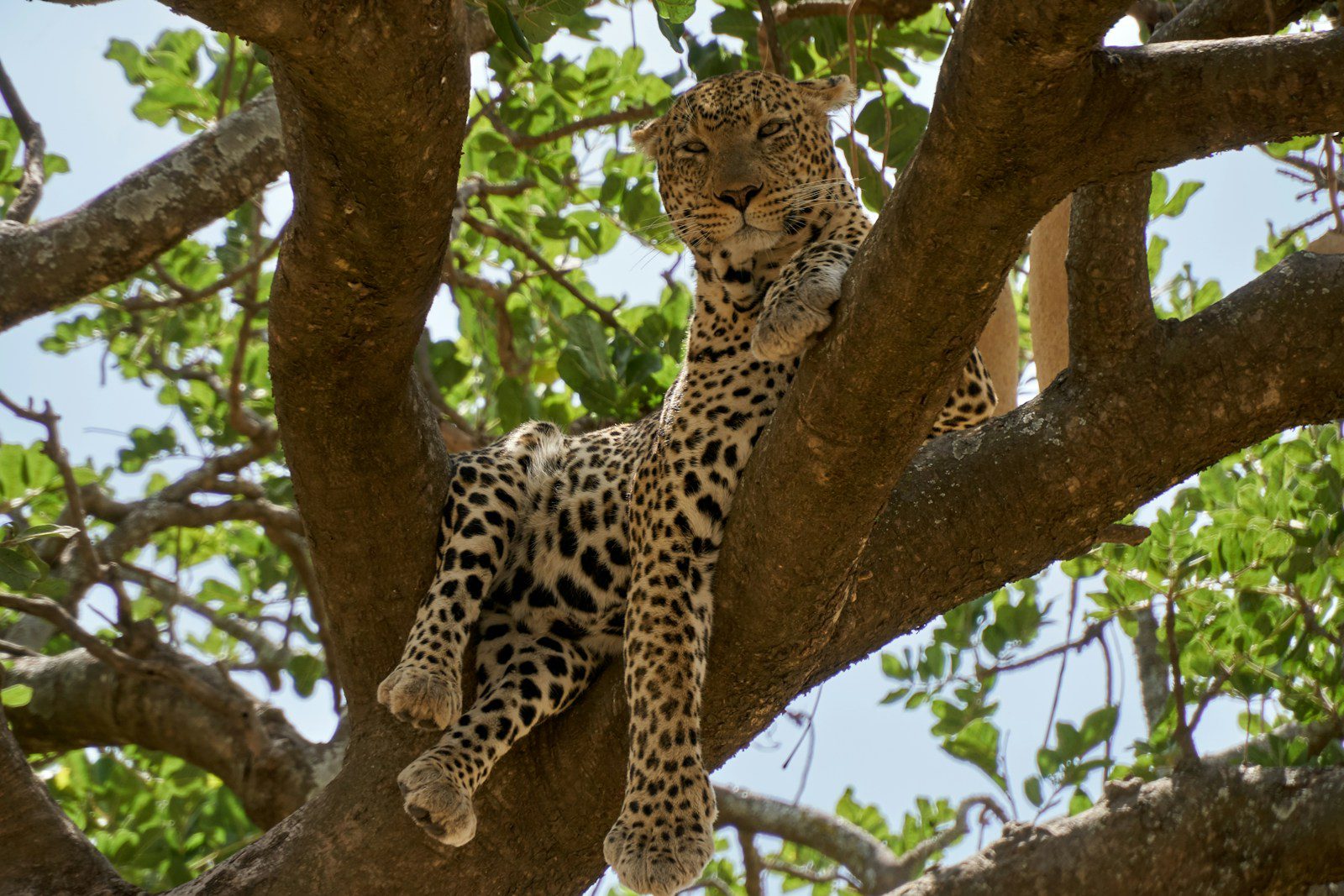
But where there are herbivores, there are predators. January is great for spotting lions, cheetahs, hyenas, leopards, and even jackals. Predators take advantage of the baby animals born during the calving season, as they are more vulnerable. For instance, you might see cheetahs hunting young gazelles or lions targeting wildebeest calves. While these scenes can feel a bit emotional, they’re also a unique way to witness the raw and natural survival dynamics of the Serengeti.
You’re not just limited to big animals. January is also a great time to see birdlife, as many species are nesting and migrating. Flamingos often flock to nearby alkaline lakes, creating beautiful pink spectacles. Other birds, like eagles, vultures, and storks, are commonly seen this time of year.
If you’re lucky, you may even spot some rarer animals such as caracals (a type of wild cat) or servals. Plus, since the southern grasslands are lush after the rains, many smaller creatures like insects, frogs, and reptiles also thrive, adding to the Serengeti’s rich biodiversity.
In summary, in January, you’ll spot wildebeest, zebras, gazelles, lions, cheetahs, leopards, and plenty of birds. It’s a wildlife paradise!
What clothing and gear should I pack for a Serengeti trip in January?
When visiting the Serengeti in January, you’ll want to pack clothing and gear that is comfortable, lightweight, and practical for both warm days and cool evenings. January is part of the green season, meaning there may be occasional rain showers, so it’s important to prepare for a range of weather conditions. Here’s a breakdown of what to pack:
Clothing:
- Lightweight layers: Mornings and evenings can be cool, especially during game drives, so bring a light jacket or fleece. During the day, temperatures warm up, so breathable shirts and shorts/pants are ideal.
- Neutral-colored clothing: Wear light tan, brown, or green clothing to blend into the environment and avoid bright colors that can scare animals. Avoid dark blues and blacks, as they attract tsetse flies.
- Waterproof gear: A lightweight, packable rain jacket is a must for sudden rain showers.
- Comfortable walking shoes: Even if you’re mostly in a safari vehicle, comfy and closed-toe shoes are good for short nature walks or around the lodge.
- Wide-brim hat and sunglasses: The Serengeti sun can be intense, so protect yourself from the heat with a good hat and UV-protective sunglasses.
Gear:
- Binoculars: A good pair of binoculars will greatly enhance your wildlife viewing experience, as some animals may be further away.
- Camera: With so much wildlife and stunning scenery, you’ll want to capture the memories. Bring extra memory cards and a zoom lens if possible.
- Daypack or small backpack: This is useful for carrying essentials like water, sunscreen, a camera, and snacks while on game drives.
- Reusable water bottle: Stay hydrated by bringing your own bottle, and many lodges provide filtered drinking water.
- Insect repellent: To ward off mosquitoes and tsetse flies, bring a good insect repellent with DEET.
Extras to Consider: Sunscreen, lip balm with SPF, lightweight scarf or buff (to protect against sun and dust), any medications, and a small first aid kit.
In summary, pack light layers, neutral colors, waterproof items, and essential safari gear for a comfortable and enjoyable Serengeti experience in January!
Are there any special activities or events in the Serengeti during January?
In January, the Serengeti is buzzing with life, and while there may not be formal “events” like festivals, the natural events happening during this time are incredibly special. One of the most significant happenings is the calving season of the Great Wildebeest Migration. During this time, wildebeest give birth to hundreds of thousands of calves, mostly in the southern Serengeti. You can literally see newborn calves taking their first wobbly steps minutes after being born! It’s an incredible experience.
This calving season isn’t just about baby wildebeest; it’s also a prime time for predator activity. Lions, cheetahs, hyenas, and other carnivores take advantage of the abundance of vulnerable young prey. This creates dramatic scenes of predators hunting and preying on calves. It might sound sad, but this is nature’s cycle, and it’s one of the rawest, most authentic wildlife spectacles you can witness.
If you’re looking for unique activities, many safari lodges and camps offer guided walking safaris during this time. These are an intimate and exciting way to feel closer to the animals and landscapes. You’ll walk with expert guides who ensure your safety while teaching you about the plants, smaller animals, and tracks that might go unnoticed in a vehicle safari.
Other than wildlife activities, some camps and lodges may organize talks by local conservationists or cultural experiences where you can interact with nearby Maasai communities. These activities provide insight into the balance between wildlife conservation and human development in the Serengeti.
So, while January doesn’t have cultural festivals in the Serengeti, the remarkable natural events like the migration, calving, and predator-prey dynamics make this time extraordinarily special for visitors.
What are the accommodation options in and around the Serengeti?
The Serengeti offers a wide range of accommodations, from budget-friendly campsites to ultra-luxurious lodges. Here’s a breakdown to help you understand the options:
- Luxury Lodges and Camps: These are high-end accommodations designed to provide comfort in the wilderness. They often feature spacious tents or lodge rooms with amenities like en-suite bathrooms, fine dining, and private decks overlooking the plains. Examples include Four Seasons Safari Lodge and Singita Grumeti Reserves. Staying in these places means excellent service, guided safaris, and gourmet meals.
- Mid-Range Tented Camps: For those who want a balance between comfort and adventure, mid-range tented camps are perfect. They often have comfortable beds, private bathrooms, and good food, while still allowing you to enjoy the thrill of staying close to nature. Examples include Serengeti Heritage Camp and Kati Kati Tented Camp.
- Mobile Camps: These camps move throughout the year to follow the Great Migration. In January, many mobile camps are set up in the southern Serengeti where the wildebeest calving happens. These camps give you the chance to stay right near the action. Examples include Olakira Camp and Serengeti Safari Camp.
- Budget Campsites: For travelers on a smaller budget or those who want a more “DIY” experience, there are designated campsites within the Serengeti. You’ll need to provide your own tent and camping gear (or rent them). They’re basic but allow you to experience the Serengeti affordably.
- Nearby Towns: If staying in the park is too expensive, you could find guesthouses or budget lodges in towns just outside the Serengeti, like in the town of Arusha or Karatu. These spots are more affordable, though you’ll need to factor in travel time to enter the park.
No matter which type of accommodation you choose, you’re likely to find options that suit your budget and travel style, all while keeping you close to the stunning wildlife of the Serengeti.
How crowded is the Serengeti in January?
January is generally not considered peak travel season for the Serengeti, so it’s less crowded compared to the prime months of June to September. That said, certain parts of the park may still have a moderate number of visitors due to the special natural events happening during this time.
The southern Serengeti and areas like Ndutu are the main focus in January because this is where the wildebeest migration gathers for the calving season. As a result, you might find more tourists concentrated in these areas. However, thanks to the Serengeti’s vastness and its careful management of visitor numbers, it rarely feels “too crowded.” You’ll likely still have plenty of opportunities to feel like you’re alone with nature, even in the busier spots.
If you visit more remote corners of the Serengeti, or if you’re staying in mobile camps or smaller lodges, the chances of seeing fewer vehicles around you increase. The Serengeti is enormous, almost 15,000 square kilometers, so even in busier times, it’s easy to “lose the crowd” and have peaceful moments.
To avoid any spots where safari vehicles bunch up (this can sometimes happen during predator sightings), consider timing your game drives for early morning or late afternoon. These are also the best times for wildlife activity and seeing animals like lions, cheetahs, and leopards on the move.
In short, while January is not the Serengeti’s quietest time, it’s far from overrun. You’ll get to enjoy the spectacular wildlife without the peak-season crowds, especially if you explore less-visited areas or stay in smaller lodges and camps.
What safety precautions should I take when visiting the Serengeti?
Visiting the Serengeti can be an incredibly exciting experience, but safety should always come first! Here are the key precautions to keep in mind, explained simply:
- Stay in the vehicle during safaris: Wild animals might look calm, but they are unpredictable. The safest place for you is inside the vehicle, where animals see the entire car as one “object” and won’t feel threatened. Don’t get out unless your guide explicitly says it’s safe.
- Listen to your guide: The guides know the Serengeti and its wildlife intimately. Whether it’s staying quiet around animals, avoiding certain areas, or following specific instructions, always do what they say.
- Keep your distance from wildlife: While animals like lions, elephants, and zebras might be awe-inspiring, don’t try to get closer for the “perfect picture.” It can agitate them and put you in danger.
- Be mindful during early mornings and evenings: These are the most active times for predators, and visibility can be lower during these hours. Always move around carefully and avoid wandering alone, especially outside the lodge or camp areas.
- Protect yourself from insects: Mosquitoes in Africa can spread diseases like malaria, so wear long-sleeved clothing in the evenings, use insect repellent, and sleep under mosquito nets if provided.
- Don’t feed the animals: Feeding animals can make them dependent on humans and may lead to dangerous behavior for you and future visitors. Keep all food stored securely.
- Be cautious near water: Rivers and watering holes might contain hidden animals like crocodiles or hippos. These creatures can move very quickly if they feel threatened, even on land.
- Stay hydrated and wear sunscreen: Daytime in the Serengeti can get very hot, so drink plenty of water to avoid dehydration and wear sunscreen to protect your skin.
Example: Let’s say you see a lion while on a safari. You might be tempted to get out for a better view, but this could provoke the lion or make it see you as prey. Instead, use binoculars or your camera zoom for a close look from inside the vehicle.
By following these precautions, you’ll have a safer and more enjoyable experience in the Serengeti while respecting the natural behaviors of its incredible wildlife!
What are the best ways to access the Serengeti (flights, transportation, etc.)?
Getting to the Serengeti can seem tricky, but it’s easier than you might think! Here’s a simple guide to the best ways to reach this iconic destination:
- Fly into Tanzania: Your first step is flying into one of the major airports in Tanzania. The two most common options are:
- Kilimanjaro International Airport (JRO), near Arusha.
- Julius Nyerere International Airport (DAR) in Dar es Salaam.
For most Serengeti visitors, Kilimanjaro Airport is more convenient because it’s closer to the national park.
- Take a domestic flight to the Serengeti: From Arusha, you can take a small domestic flight directly into the Serengeti. There are airstrips within the park, like Seronera Airstrip, where you’ll land. Internal airlines like Coastal Aviation and Auric Air operate these flights. While they can be pricier than other options, they save time and bring you straight into the heart of the park.
- Drive to the Serengeti: If you prefer a scenic route, driving is another option. You can start in Arusha and travel to the park by road, which takes about 7-8 hours. This can be part of your safari package, as many tour operators provide a vehicle and guide for the trip. Along the way, you can also visit other attractions like the Ngorongoro Crater.
- Travel through Nairobi, Kenya: Some travelers choose to fly into Nairobi, Kenya, and then take a connecting flight to Kilimanjaro or even to a nearby Serengeti airstrip. This route can offer more flight options but adds some complexity.
Example: If you’re short on time, the best choice is flying from Arusha to Seronera Airstrip. You’ll arrive in the middle of the park, ready to start your safari. But if you enjoy adventure and don’t mind spending extra travel time, the drive from Arusha lets you see more of Tanzania’s diverse landscapes.
Regardless of which method you choose, booking through a safari operator is often the easiest way to secure flights, transportation, and park entry ahead of time. This ensures a smooth and stress-free journey!
Are there any health concerns or vaccinations needed for traveling to the Serengeti in January?
Yes, there are some health concerns and vaccinations to consider before traveling to the Serengeti to ensure you stay healthy during your trip. Here’s what you need to know, simply explained:
- Yellow Fever Vaccine: If you’re coming from or have recently traveled to a country where yellow fever is present, you’ll need proof of vaccination to enter Tanzania. If you’re flying directly from a non-affected country, the vaccine might not be required, but it’s still a good idea to check the latest rules with your doctor or embassy.
- Malaria Prevention: The Serengeti is a malaria-risk area, so it’s wise to take precautions. Talk to your doctor about antimalarial medication, and don’t forget to protect yourself from mosquito bites:
- Wear long-sleeved shirts and pants in the evenings.
- Use insect repellent with DEET.
- Sleep under a mosquito net if available.
- Hepatitis A and B: These are commonly recommended vaccines for travelers to Africa, as they protect against diseases spread through contaminated food, water, or bodily fluids.
- Typhoid: Since typhoid is a water- and foodborne illness, a vaccine is recommended to prevent infection during your trip.
- Routine Vaccines: Make sure you’re up to date on standard vaccinations like measles, mumps, rubella (MMR), polio, and tetanus. It’s always good to be current on these!
- Water and Food Safety: Be cautious about what you eat and drink. Stick to bottled or boiled water, and avoid raw or undercooked foods unless you’re at a trusted lodge or campsite.
Example: Imagine you didn’t take malaria prevention seriously and forgot your repellent. After spending a lovely day on safari, you might end up with mosquito bites in the evening that could expose you to malaria. By taking precautions (like using repellent or sleeping under a net), you reduce that risk significantly.
Before your trip, schedule a visit with a travel doctor. They’ll personalize their advice based on your medical history, where you’re traveling from, and your specific activities in Tanzania. Staying healthy means you can fully enjoy your unforgettable adventure in the Serengeti!
How to Book Your Tanzania Safari
Now that you know why January is the perfect time to visit the Serengeti, what incredible wildlife adventures await, and how to make the most of your trip, it’s time to turn your dream safari into reality. Start your journey with one of the Best Safari Companies in Tanzania to ensure an unforgettable experience. They’ll take care of all the details, so you can focus on enjoying the magic of the Serengeti. Ready to go? Click here to book your safari today!