
To get to Serengeti National Park, travelers typically fly into Kilimanjaro International Airport (JRO) or Arusha Airport (ARK) in Tanzania. From there, you can...
The best time to visit Serengeti for Wildebeest migration is between June and October, during the dry season when the herds cross the Grumeti River and Mara River as part of the dramatic river crossings. This period offers ideal wildlife viewing and is a highlight of Tanzania safaris. Alternatively, you can visit between January and March to witness the calving season in the Ndutu plains, where thousands of wildebeest give birth, attracting predators and incredible predator-prey action.
What is the Wildebeest migration, and why is it significant in the Serengeti?
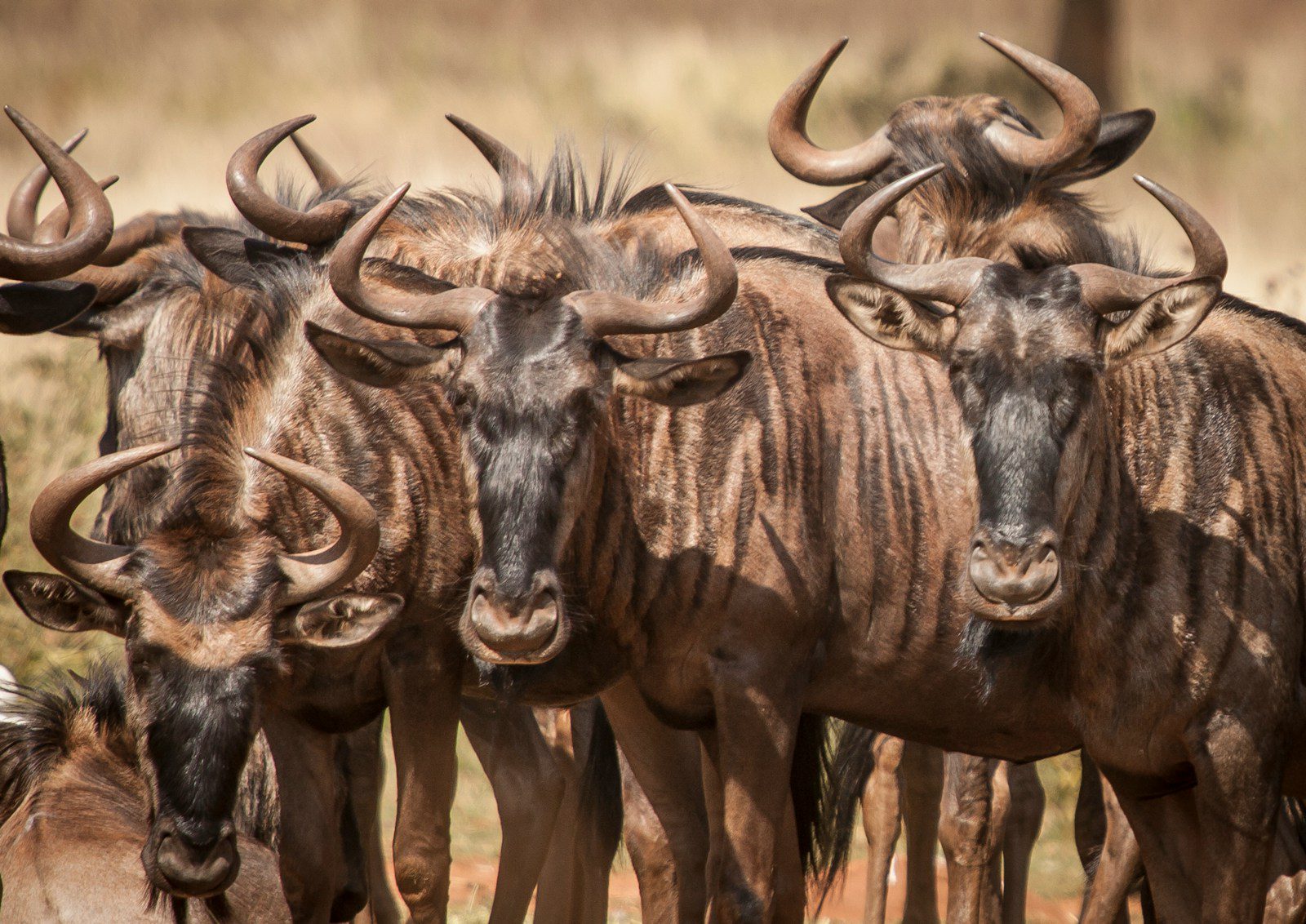
The Wildebeest migration is one of nature’s most incredible wildlife events and takes place across the Serengeti National Park in Tanzania and the Maasai Mara in Kenya. It involves the movement of more than 1.5 million wildebeest, along with hundreds of thousands of zebras and smaller numbers of gazelles, as they travel in a giant loop seeking fresh grass and water. This journey is often called “The Great Migration” because of its enormous scale and importance to the ecosystem, particularly during the serengeti migration season.
The migration is significant for many reasons. First, it showcases the cycle of life and death in a raw and powerful way. The animals travel over 1,800 miles each year, facing challenges such as hungry predators (like lions and crocodiles) and dangerous river crossings. Watching wildebeest leap into crocodile-filled rivers to reach greener pastures is one of the most dramatic wildlife experiences in the world, especially at the iconic river crossing points.
Second, the migration supports the entire Serengeti ecosystem. Predators like lions, hyenas, and cheetahs depend on the influx of prey during the migration to survive and raise their young. It’s a key event that keeps the balance of life in this area – from the animals themselves to the grasslands that regrow after being grazed, particularly in the seronera region.
Finally, it’s an unforgettable experience for people who witness it. Wildlife enthusiasts and tourists from around the world travel to see this phenomenon, making it a major attraction for Tanzania and Kenya. The migration isn’t just about the wildebeest; it’s about seeing the interconnectedness of the animal kingdom in all its beauty and struggle, creating an extraordinary wildlife adventure.
When does the Wildebeest migration typically occur?
The Wildebeest migration happens throughout the year, but they don’t all move at the same time or place. Instead, the serengeti migration is a continuous cycle influenced by rainfall, with the animals traveling to find fresh grazing land and water. The timing can vary slightly every year because it’s dependent on weather conditions, but overall, the pattern remains similar.
The cycle begins in January and February, in the southern Serengeti. This is the calving season, where thousands of wildebeest calves are born every day. By March and April, the animals start to move northward as the rain causes the grass to run out in their current area.
From May to June, the herds head toward the central and western Serengeti. This is often where they gather in huge numbers, forming large groups that are breathtaking to see. By July and August, the herds make it to the northern Serengeti and Maasai Mara, which is the time of the great migration and the famous river crossings at the Mara River. By the end of the year, around November or December, the animals start returning south as the rains resume in the Serengeti.
This cycle means there is always a stage of the migration happening somewhere. While people typically think of the dramatic Mara River crossing in July and August, the migration is actually a year-round spectacle, making it an ideal time for a serengeti safari experience.
What are the main stages of the Wildebeest migration, and where do they take place?
The Great Migration is divided into four main stages based on the times of the year and the regions the animals pass through. Each stage takes place in a particular part of the Serengeti ecosystem.
- Calving Season (January–March): During this stage, the migration starts in the southern Serengeti and the Ngorongoro Conservation Area. The wildebeest gather in large groups to give birth. About 500,000 calves are born in just a few weeks, providing plenty of food for predators like lions and hyenas. This area is lush and green because of the rains, which makes it a good environment for young calves to feed and grow.
- Movement North (April–May): As the rain ends in the south, the grass begins to dry up, and the herds move northward. This stage happens in the central Serengeti and the western corridor. Here, the animals are on the move in smaller groups, but predators are still close behind, waiting for opportunities to attack stragglers or sick animals.
- The Mara River Crossings (July–September): This is the most famous and dramatic part of the migration. By this time, the wildebeest reach the northern Serengeti and the Maasai Mara in Kenya. To get there, they must cross dangerous rivers like the Mara River, which is full of hungry crocodiles. These crossings are chaotic, with animals sometimes panicking and trampling each other. However, they push on because they need to reach the green pastures on the other side.
- Return South (October–December): As the wet season begins in the southern Serengeti, the wildebeest start moving back south from the Maasai Mara. This is a quieter period, but by December, the cycle starts again as the calves are born. This migration stage happens in both the northern and central Serengeti.
Each stage of the migration is remarkable for its own reasons – from the vulnerability of newborn calves to the nail-biting river crossings – making it one of the most spectacular natural events on Earth.
Which months are considered the best time to visit the Serengeti to witness the migration?
The timing for the best view of the Great Wildebeest Migration depends on which part of the migration you want to see, as this natural event is always on the move throughout the year. However, the typical highlight months for witnessing the migration are between July and October when the dramatic river crossings occur.
During these months, millions of wildebeest and other animals like zebras and antelopes cross the rivers, the Grumeti River or the Mara River, on their journey between Tanzania and Kenya. This crossing is considered the most iconic and thrilling part of the migration because massive crocodiles hide in the water, waiting for an easy meal, and many animals risk drowning because of the strong currents. If you want to see this dramatic scene, plan your visit to the northern Serengeti in these months.
If you’re looking to experience the calving season, when baby wildebeest are born (and predators like lions and cheetahs come out in force), you should visit during February and March. During this time, the herds are usually in the southern Serengeti, around the Ndutu and Ngorongoro areas, grazing in the nutrient-rich plains. This is a quieter but equally fascinating part of the migration, as you can see life beginning for the wildebeest calves and the constant interplay between predators and prey.
To sum up, July to October is best for river crossings, while February to March focuses on calving. Other months have their own unique experiences, but these periods highlight some of the migration’s most thrilling moments.
What are the differences between seeing the migration in the dry season versus the wet season?
The Great Wildebeest Migration offers very different experiences in the dry season and the wet season because the animals move in response to the availability of grass and water. Here’s how they differ:
- Dry Season (June to October): This is the most dramatic time to see the migration, especially between July and October when the river crossings happen. The rivers, such as the Mara River, are full of water, making the crossings intense and dangerous. Wildebeest, zebras, and other migrating animals must navigate crocodiles and fast currents, leading to a high-stakes spectacle. The dry season also makes wildlife viewing easier, as animals gather near permanent water sources and there’s less vegetation to block your view. Additionally, the weather in the Serengeti is generally sunny and pleasant, with cooler temperatures in the mornings and evenings. However, this time is also very popular with tourists, meaning more crowds and higher accommodation costs.
- Wet Season (November to May): The wet season offers a lush and green Serengeti landscape. After the rains begin in October/November, the herds migrate southward to the southern Serengeti and Ngorongoro Conservation Area, where they graze on fresh grasses. This is when the calving season (February/March) occurs, where up to 8,000 wildebeest calves are born daily. While it’s less “action-packed” than the river crossings, seeing the massive herds spread out across the plains, nurturing their young, is a beautiful and quieter experience.
The wet season might have some rain, but it’s less crowded, and the interaction between predators (lions, cheetahs, hyenas) and prey is fascinating. Roads can get muddy and harder to navigate during this season.
In short, if you want thrilling tension and action, visit during the dry season for the river crossings. If you prefer a calmer and greener experience with lots of young animals, the wet season might be better suited for you.
Where in the Serengeti can you witness the river crossings during the migration?
The most famous river crossings during the Great Wildebeest Migration take place at the Mara River and the Grumeti River, located in different parts of the Serengeti as the herds move northward and then loop back south.
- Mara River (July to October): The Mara River is found in the northern Serengeti, close to the border with Kenya’s Maasai Mara National Reserve. The crossing of the Mara River is the most iconic part of the migration, as it’s where wildebeest face gigantic crocodiles, deep waters, and strong currents. Thousands of animals plunge into the river together, sometimes causing stampedes, and only some manage to make it across. This dramatic spectacle usually happens from July to October, though the exact timing can vary depending on the rains. If you want to see the action, positioning yourself in the Kogatende area in the northern Serengeti is ideal.
- Grumeti River (June to July): The Grumeti River is located in the western Serengeti, and its crossings are less famous but still fascinating. The Grumeti is smaller and sometimes dries up in certain areas, but when water levels are high, it becomes an obstacle for the migrating animals. The crocodiles here are also a major threat. Visiting in June or July is the best time to catch a Grumeti River crossing in the western corridor of the Serengeti.
If you only have time to choose one, the Mara River tends to provide a more dramatic and well-known experience. However, both rivers play critical roles in the survival journey of the migrating animals. Whether you choose the northern Serengeti for the Mara or the western Serengeti for the Grumeti, you’ll witness the incredible determination and danger involved in this spectacle of nature.
What is the importance of the Grumeti and Mara River crossings in the migration?
The Grumeti and Mara River crossings are two of the most critical and dramatic parts of the Wildebeest migration. They are important because they signify major challenges the animals must face to survive, showcasing the sheer scale of the migration and the harsh realities of nature.
Every year, over 1.5 million wildebeests, along with 200,000 zebras and thousands of gazelles, move in search of fresh grasses and water in a never-ending cycle, traveling from Tanzania’s Serengeti to Kenya’s Maasai Mara and back. During this journey, they must cross rivers like the Grumeti and the Mara, which are obstacles filled with natural dangers.
The crossings are vital because water from these rivers is essential for survival, but the rivers are filled with predators like crocodiles, waiting to ambush the herds. Every crossing sees hundreds of wildebeest fighting currents, steep riverbanks, and predatory dangers. The scene is chaotic, filled with splashing water, loud grunts, and the life-or-death struggle of animals. Some wildebeests sadly don’t make it, either drowning, getting swept away, or falling victim to predators.
Take the Mara River, for example. It marks the border between the Serengeti and the Maasai Mara. When the herds reach it (typically from July to October), they know they must cross it to access greener pastures on the other side. Although many successfully cross, the stakes are incredibly high, making it a jaw-dropping experience to watch.
These crossings highlight the resilience of wildebeests as they continue pushing forward despite immense obstacles. This is why the Grumeti and Mara crossings are often referred to as the “main events” of the migration, offering a rare and unforgettable spectacle for those lucky enough to witness it.
Are certain areas of the Serengeti better suited for witnessing the migration at different times of the year?
Yes, the Serengeti National Park is massive, spanning 12,000 square miles, and different areas become hotspots for the wildebeest migration depending on the time of the year. Because the great migration is an ongoing cycle, the animals move constantly in search of food and water, which means specific regions offer better chances of seeing them at different seasons.
From December to March, the herds gather in the southern Serengeti, particularly in the Ndutu region (also part of the Ngorongoro Conservation Area). This is calving season, where thousands of baby wildebeests are born. The flat plains and abundance of grass make it perfect for raising young. Predators like lions, cheetahs, and hyenas are also especially active during this time, preying on the vulnerable newborns.
From April to June, the herds begin moving northward, following the rains into the central Serengeti and the Grumeti region in the western corridor. At this stage, you’ll see massive groups gathering as they prepare for the first big river crossing, the Grumeti River. This area is known for its lush vegetation, but it also begins to dry out as the months pass, pushing the herds to migrate further.
From July to October, the herds are mostly in the northern Serengeti near the famous Mara River and into Kenya’s Maasai Mara. This is another dramatic phase, as the herds tackle the challenging and predator-filled crossings of the Mara River. If you visit during this time, it’s best to focus on northern safari campsites.
Finally, from November to December, the herds start their journey back south to the southern Serengeti. The rains return, and the fresh green plains of Ndutu become the herds’ destination once more. By knowing the migration’s path, you can plan your Serengeti safari based on when and where you’re most likely to experience this extraordinary wildlife event.
How do weather and climate affect the timing and movement of the Wildebeest migration?
The timing and movement of the Wildebeest migration in the Serengeti National Park are completely driven by weather and climate, specifically rainfall. The wildebeests don’t have a pre-planned map of their journey. Instead, they follow the rainy season, which brings fresh grasses and water they rely on to survive. This annual cycle is crucial for their survival and is a key feature of the great migration.
In Tanzania and Kenya, the rainy seasons occur twice a year. The longer rain season is from March to May, while the shorter one occurs around November. These rains cause grasses to grow and fill seasonal rivers or waterholes. Wildebeests can detect the rain (sometimes from miles away) and instinctively migrate toward areas where the freshest grass is available, particularly in the Serengeti South during the calving season.
For example, the southern Serengeti and Ngorongoro areas are lush between December and March because of prior rains, and that’s where the herds gather for calving. However, as the grasses dry out in April, the herds move north and west, chasing areas where rain has fallen and fresh food is available. The rivers they cross, like the Grumeti and Mara, are often at their fullest during these times due to rainfall, making the crossings especially dangerous for the migratory herds.
If the rains are delayed or less frequent in one area, the migration pattern may shift. In some years with unusual weather patterns, the herds may stay in one region longer or move faster than usual. For instance, a sudden drought can push them forward more quickly, while prolonged rains can cause them to stay in one area longer than expected, impacting their migration safari experience.
While climate change also plays a role, altering long-term rainfall patterns, the essential relationship between wildebeests and rainfall remains constant. Simply put, they’re always following water and food. Without rain and its impact on the environment, the migration wouldn’t exist as we know it. So, every year, the weather essentially “writes the script” for where and when this magnificent journey unfolds, making it an extraordinary wildlife event for many visitors.
What wildlife, aside from wildebeest, can be seen during the migration?
The Great Wildebeest Migration in the Serengeti National Park is one of the most breathtaking wildlife spectacles in the world, and while the wildebeest are the main stars, they’re far from the only ones taking part in this incredible event. Picture it like nature’s ultimate road trip, where all kinds of wildlife join in or take advantage of the massive movement of animals, especially during the migration safari season.
Apart from the 1.5 million wildebeest, you’ll also see zebras, around 200,000 of them! Zebras are like the wildebeest’s travel buddies. They often migrate alongside the wildebeest because they eat different parts of grass, so they complement each other without competing for food. It’s a buddy system that works perfectly in the wild, especially across the vast plains of the Serengeti South.
Then there are gazelles, including around 500,000 Thomson’s and Grant’s gazelles, darting around gracefully. They’re often overshadowed by the bigger animals, but they play an essential role in the ecosystem, grazing and feeding alongside the wildebeest during the migration. Their presence contributes to the extraordinary wildlife experience that defines the Serengeti.
Predators like lions, cheetahs, leopards, and hyenas are part of this story as well. They follow the migration closely because it’s like an all-you-can-eat buffet for them. For example, lions might lie in wait near rivers as wildebeest gather to cross, while cheetahs take advantage of the open plains to launch high-speed chases after smaller, unassuming animals. Hyenas, often scavenging, also hunt during the migration frenzy, particularly targeting injured or young animals.
Beyond the big predators, crocodiles, especially in the Mara and Grumeti Rivers, pose a significant danger. They wait underwater for the wildebeest and zebras to cross, striking at the perfect moment. The sight of these interactions, while raw, shows how every species depends on another in nature.
Birdlife also becomes incredibly active during the migration. Marabou storks, vultures, and other scavengers hang around the aftermath of predator kills to clean up the remains. Raptors like eagles may also be spotted swooping down for smaller prey, adding to the excitement of the wildlife event.
In short, while the wildebeest migration is undoubtedly the centerpiece, it’s truly the world’s most interconnected nature show, with countless species playing their part. Every corner of the ecosystem, from the plain’s grazers to the apex predators, comes alive in one of Earth’s most vibrant displays of life, especially during the peak season of the Serengeti Migration.
What are the best accommodations for staying near the migration hotspots?
The best accommodations for witnessing the Wildebeest Migration depend on where the herds are likely to be, as their movement changes throughout the year. Many accommodations are designed to give visitors the perfect vantage point of this natural wonder, ranging from luxury lodges to mobile tented camps that literally move with the herds.
For the southern plains of the Serengeti, where the herds are typically found from December to March (calving season), accommodations like Ndutu Safari Lodge and Lake Masek Tented Camp are fantastic choices. These locations are close to the wide, open plains of the Ndutu region, where thousands of wildebeest calves are born. Mobile camps like Serengeti Under Canvas are also great for an immersive experience during this time.
As the herds start moving toward the central Serengeti in April and May, lodges in the Seronera area become prime options. Seronera Wildlife Lodge or Four Seasons Safari Lodge offer luxurious stays, often with views of the migration right from your room. Mobile camps in this area move seasonally to stay close to the action, ensuring you’re never far from the herds.
From June to August, the migration shifts to the western corridor, particularly near the Grumeti River. Here, Singita Faru Faru Lodge offers high-end comfort, while Grumeti Serengeti Tented Camp brings you closer to nature. Camps like Kirawira Serena Camp provide both luxury and great access to the river crossings.
When the herds head north to the Mara River from August to October, accommodations near the Kogatende area are ideal. Lamai Serengeti and Sayari Camp are popular picks in the northern Serengeti, placing you close to the dramatic river crossings. There’s also Serengeti Bushtops, which offers a blend of comfort and exceptional wildlife views.
Finally, if you’re okay with more rustic settings, many mobile camps like &Beyond’s Serengeti Explorer Camp move with the herds, allowing you to be in the thick of the migration action no matter the season.
Choosing the best accommodation often depends on your travel preferences (luxury, adventure, or both) and, most importantly, the time of year. The Serengeti’s wide range of stays ensures an unforgettable experience.
Are guided tours necessary to fully experience and understand the Wildebeest migration?
Yes, guided tours are highly recommended to fully experience and understand the Wildebeest Migration. While it’s possible to venture into the Serengeti on your own in some cases, guided tours significantly enhance the experience in several ways.
First, the Serengeti is vast, almost 12,000 square miles, making it easy to get lost or miss key events like river crossings if you don’t have an expert guiding you. Tour guides know the migration patterns, the best routes, and the ideal spots for seeing key moments, such as predator-prey interactions or large gatherings of animals. They use their knowledge of animal behavior and communication with other guides to navigate directly to the action. Without their guidance, you might spend hours scanning the plains and risk missing the migration entirely.
Second, guides provide valuable insight into the wildlife and ecosystem. They explain why wildebeest migrate, how the herds interact with animals like zebras or predators, and how the event impacts the environment. For example, without a guide, you might just watch wildebeest crossing a river and think, “Cool!” A guide, however, will point out the coordinated leadership of the herd or how crocodiles adapt to hunting in these moments.
Guided tours also emphasize safety. Wild animals can be unpredictable and dangerous. Guides understand how to drive and behave around wildlife to ensure visitors are safe while still enjoying a close experience.
Lastly, many guided tours are part of safari packages that include accommodations and transportation, making the entire experience stress-free. For example, a tour might combine watching the migration with visits to other Serengeti hotspots or even include excursions to nearby parks like Ngorongoro Crater.
In short, guided tours aren’t just helpful, they’re essential if you want a deeper understanding of the migration and a smoother, more enriching safari experience. This ensures you don’t just witness the migration but also come away with unforgettable memories and a greater appreciation for wildlife.
How to Book Your Tanzania Safari
So, when’s the ideal time to witness the incredible wildebeest migration in Serengeti National Park? We covered the ‘what’ (the migration), the ‘when’ (primarily June to October), and the ‘why’ (because it’s one of nature’s greatest spectacles). To make this dream Serengeti safari come alive, booking with reliable experts is key. Check out the best safari companies in Tanzania to plan your trip effortlessly. Don’t just imagine it, experience the wonder of the great migration firsthand! Click the link to start your unforgettable Serengeti journey today.