
To get to Serengeti National Park, travelers typically fly into Kilimanjaro International Airport (JRO) or Arusha Airport (ARK) in Tanzania. From there, you can...
Visiting Serengeti in May offers an incredible experience as the region transitions into its green season, making it ideal for Tanzania safaris. This time of year marks the start of the Great Migration, with massive herds of wildebeest and zebras moving towards the western Serengeti. The landscape is lush, wildlife is abundant, and with fewer tourists, you can enjoy more intimate game drives. Highlights include spotting predators like lions or cheetahs in action and witnessing newborn animals. May is also great for birdwatching, with over 500 species to observe. It’s a cooler, quieter time to explore the famed Serengeti National Park and enjoy stunning scenery without the peak season crowds.
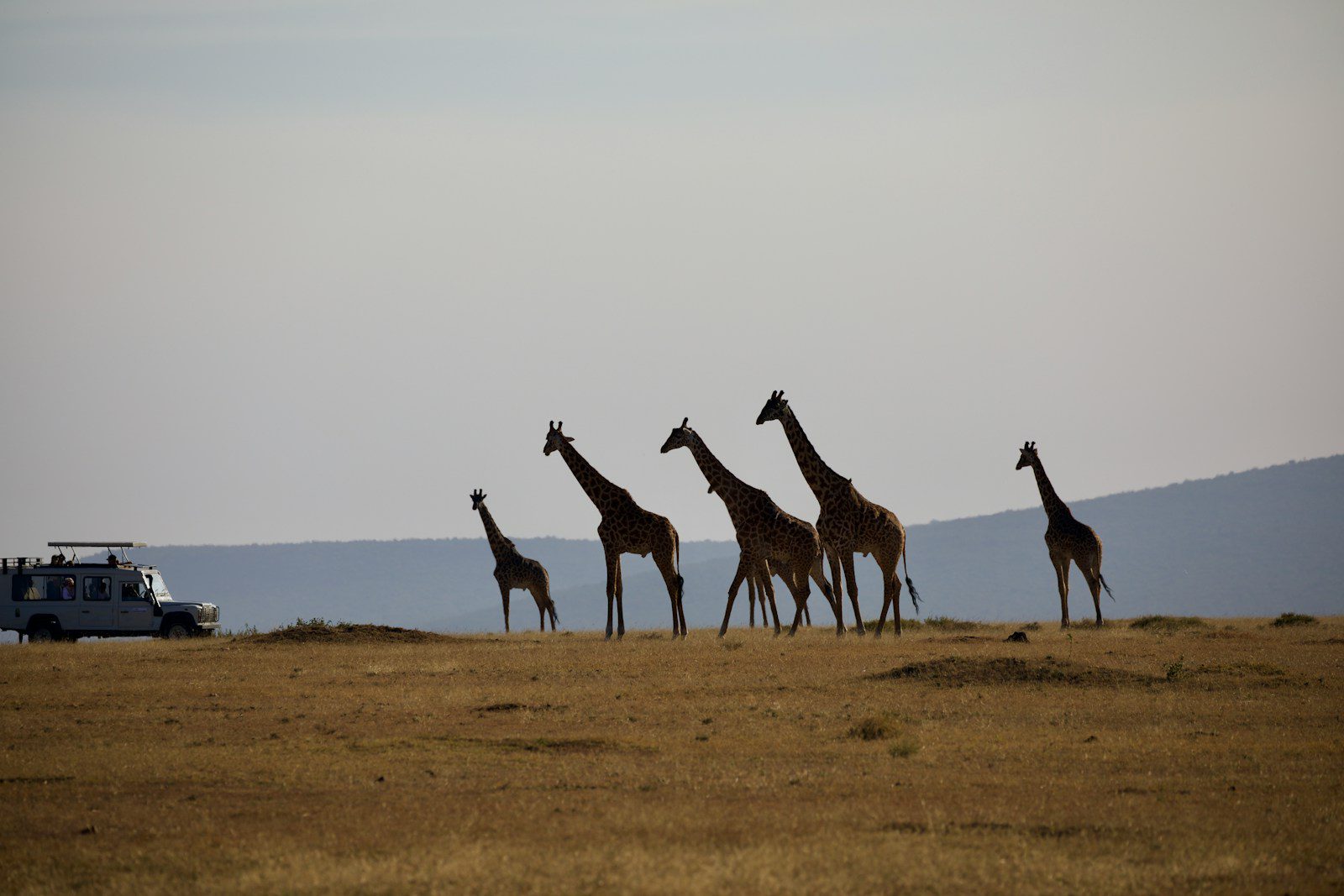
What is the Serengeti, and where is it located?
The Serengeti is a large, world-famous ecosystem located in Africa, spanning two countries: northern Tanzania and a small region of southwestern Kenya. The name “Serengeti” comes from the Maasai word “Siringet,” meaning “endless plains.” This description perfectly encapsulates the Serengeti, characterized by vast open grasslands that stretch as far as the eye can see, dotted with occasional trees and rocky outcroppings.
This region is one of the most iconic wildlife destinations on Earth and is recognized as a UNESCO World Heritage Site. Covering about 30,000 square kilometers (roughly the size of Belgium), it features diverse landscapes, including savannas, woodlands, rivers, and kopjes (rocky hills). The unique geography supports extraordinary wildlife, making it a top choice for wildlife viewing opportunities.
One of the main parts of the Serengeti is the Serengeti National Park in Tanzania, known for its role in protecting wildlife and hosting the annual wildebeest migration. The neighboring Maasai Mara Reserve in Kenya is also part of this incredible ecosystem.
Animal enthusiasts flock to the Serengeti to see the “Big Five” — lions, leopards, elephants, buffalos, and rhinos — along with other creatures like wildebeests, cheetahs, and zebras, especially during the famous river crossings.
If you ever watch documentaries featuring African wildlife, chances are they were filmed in the Serengeti! Imagine vast horizons, thrilling predator chases, and enormous herds of animals during the dramatic river crossings. All of this makes the Serengeti a magical place to experience nature in its rawest and most beautiful form.
Why is May a good time to visit the Serengeti?
May is a fantastic time to visit the Serengeti National Park because it’s the tail end of the rainy season, but that doesn’t mean day-long pouring rains. Instead, visitors experience occasional showers that freshen the landscape and bring it to life. During May, the Serengeti is lush and green, creating a stunning backdrop for wildlife viewing opportunities and photography.
This time of year is considered the “shoulder season,” meaning it’s not as crowded as the dry season (June through October). Fewer tourists result in a more peaceful experience, and accommodations are often more affordable with discounts available. If you enjoy a quieter safari journey with more intimate wildlife encounters, May is a great choice.
Another reason May is special is that it’s part of the period for the wildebeest migration (more on this below!). Huge herds of wildebeests, zebras, and antelope are grazing in the southern and central Serengeti plains, preparing for their journey northward. Watching these massive groups of animals against lush green grass makes for truly unforgettable scenes–almost like a real-life nature documentary.
May also offers good chances to see predator activity. Lions, cheetahs, and hyenas are present in large numbers, as they take advantage of the plentiful prey herds. Additionally, birdwatchers love the Serengeti during this time since migratory birds are around, and many bird species are nesting.
Finally, the weather in May, while still mildly rainy, averages a comfortable temperature (usually ranging from 20°C to 25°C, or 68°F to 77°F). It’s warm but not overwhelmingly hot, which makes outings more pleasant. With vibrant landscapes, active wildlife, and fewer crowds, May offers a beautiful balance for a perfect trip to the Serengeti safari adventure.
What is the Great Migration, and can it be witnessed in May?
The Great Migration is one of the most spectacular natural events on Earth. It involves millions of wildebeests, as well as zebras and antelopes, moving in massive herds across the Serengeti National Park and the Maasai Mara in search of fresh grazing land and water. This cycle is driven by rainfall and food availability, with the migratory patterns covering around 1,000 kilometers (620 miles) each year. Travellers can witness this incredible wildlife event as the animals traverse through Tanzania and Kenya.
In May, the migration is still in the southern and central Serengeti, particularly in the Ndutu region. This is an excellent time to witness enormous herds grazing on the lush green grass that grew during the rainy season. Wildebeests, for instance, are raising their young, which were born earlier in the year (usually between January and March). The sight of thousands, if not millions, of animals spread across the plains is breathtaking, making it a prime moment for wildlife viewing opportunities.
Predators like lions, cheetahs, and hyenas are also active during this time as they hunt the young and vulnerable animals in these large groups. It’s a thrilling experience to observe these natural behaviors in action. For example, you might witness a lioness stalking a wildebeest calf or a cheetah sprinting after its prey, enhancing your safari journey.
While May is not the right time to see the famous river crossings (those usually happen later in July and August when the animals head north), the massive, gathering herds across the Serengeti plains form one of the best wildlife spectacles imaginable. Imagine seeing thousands of wildebeests and zebras blanketing the landscape under a brilliant blue sky with fresh grass stretching for miles! This is one of nature’s most awe-inspiring scenes, and May offers a front-row seat to this extraordinary wildlife destination.
What is the weather like in the Serengeti during May?
In May, the Serengeti experiences the tail end of its “long rains” season, which typically stretches from March to early June. This transitional period between the wet and dry seasons offers wildlife viewing opportunities as the weather consists of warm sunshine and occasional rain showers. Daytime temperatures range from about 24-27°C (75-81°F), pleasantly warm for an adventurous traveller, while nights can cool down to around 15°C (59°F). Although humidity can increase after rains, refreshing breezes often make the weather feel comfortable overall.
Rain is usually not constant but comes in bursts, often as afternoon thunderstorms or sporadic showers. This means you’ll still get ample time to enjoy outdoor activities like game drives and explore the savannah. The rain revitalizes the landscape, resulting in lush greenery, blooming wildflowers, and brimming waterholes, creating extraordinary wildlife destinations for photography enthusiasts.
One advantage of visiting during May is that the Serengeti isn’t as crowded as during the dry season, making it feel more peaceful and intimate. However, it’s essential to plan appropriately, pack lightweight, waterproof clothing or rain gear just in case you get caught in a shower while out on a safari journey.
In summary, May’s weather in the Serengeti is a mix of rain and shine, creating a beautifully green and vibrant landscape perfect for those looking for stunning scenery and fewer crowds, ideal for a perfect trip to experience the great migration herds.
What are the main activities or attractions to experience in the Serengeti in May?
May is an excellent time to explore the Serengeti National Park because of its lush, green landscapes and the abundant wildlife that this environment attracts. A key activity during May is going on game drives. These guided trips take visitors deep into the park to see animals like lions, cheetahs, elephants, and giraffes in their natural habitat. The greener pastures are especially attractive to herbivores, so you’ll often see zebras, gazelles, and wildebeests grazing in abundance.
Another major attraction in May is the Great Migration. Around this time, millions of wildebeests, zebras, and other animals start moving northwards from the southern Serengeti plains toward the central and western regions. You can witness large herds gathering and preparing for their iconic river crossing journey later in the year. Watching these animals graze and interact up close is breathtaking.
Birdwatching is also fantastic in May. The rains attract migratory birds, and the park is alive with colorful species like storks, kingfishers, and flamingos. This is perfect for bird enthusiasts who want to see rare and exotic birds in their habitats, enhancing their wildlife viewing opportunities.
For a unique perspective of the Serengeti, consider a hot air balloon safari. Floating above the expansive plains at sunrise lets you take in the beautiful scenery and wildlife from an entirely new angle, making it a perfect trip for adventurous travelers.
Finally, visiting the Ngorongoro Conservation Area, part of the Serengeti ecosystem, is a must. Although technically just outside the Serengeti, the Ngorongoro Crater is a UNESCO World Heritage Site and a sanctuary for incredible wildlife species, adding to the allure of your safari journey.
In short, May offers a variety of activities like game drives, migration viewing, birdwatching, hot air balloon rides, and possibly excursions to nearby attractions, all set against the stunning backdrop of the green Serengeti, making it one of the most wonderful trips you can take.
What types of wildlife can be seen during a visit in May?
The Serengeti National Park is teeming with wildlife in May, as the rainy season provides dense, green grazing grounds that attract thousands of animals. One of the highlights during this time is seeing the herds involved in the Great Migration. Millions of wildebeests and zebras, along with smaller groups of gazelles and antelope, wander through the park in search of fresh pastures. The southern and central Serengeti are particularly active, as the herds start their journey north toward the western corridor, making this the perfect time for a safari journey.
Predators like lions, cheetahs, leopards, and hyenas follow the migrating herds, taking advantage of the abundant prey. If you’re lucky, you may get the chance to witness dramatic river crossings, such as lions stalking their prey hidden in the tall grass or cheetahs chasing after a gazelle at high speed. This time of year offers excellent predator-prey interactions, enhancing the wildlife viewing opportunities.
Elephants, giraffes, and buffalo are also common sights during May. These large, majestic creatures roam the woodlands and plains, often in small herds, making for great photo opportunities. Hippos and crocodiles gather around rivers and waterholes, while warthogs and baboons can be seen scurrying in the open savannah.
The birdlife in the Serengeti is particularly vibrant during May. With the rains bringing plenty of water and food, migratory birds like European storks, crowned cranes, and fish eagles join the resident species. Altogether, the Serengeti becomes a haven for birdwatching enthusiasts, especially during the Great Migration trip.
Overall, May is a fantastic time to spot a wide variety of animals across the Serengeti, including herbivores, big cats, and fascinating birds, all thriving in the lush, green environment of the wet season, making it one of the extraordinary wildlife destinations in Africa.
Are guided safaris recommended, and what options are available?
Yes, guided safaris are highly recommended when visiting the Serengeti National Park, especially for first-time visitors or those who want to experience the park in the safest and most enriching way possible. A knowledgeable safari guide is typically experienced in the area’s geography, wildlife behaviors, and local ecosystem, which significantly enhances your chances of witnessing extraordinary wildlife during your safari journey. Without a guide, navigating the vast Serengeti and spotting elusive animals like lions, leopards, or cheetahs can be quite challenging.
There are various types of guided safari options available. For example, you can choose a game drive safari, where you travel with a group or privately in a safari vehicle. If you’re after a luxurious and tailored experience, private safaris are great because they allow for more flexibility in the schedule and destinations. For a more adventurous option, consider walking safaris, where you explore parts of the Serengeti on foot with an armed guide. This allows you to feel closer to nature and notice smaller details, like plants, insects, and tracks.
Another unforgettable option is a balloon safari, where you glide over the Serengeti at sunrise, providing a bird’s-eye view of animals like elephants, wildebeests, and zebras. This unique perspective is particularly stunning during the wildebeest migration, showcasing the park’s vast landscapes. Some lodges or camps also offer night safaris, allowing you to observe nocturnal animals such as hyenas and aardvarks.
In summary, guided safaris not only ensure safety but also foster a deeper appreciation of the Serengeti. They alleviate the stress of finding wildlife, enabling you to focus on enjoying this incredible natural wonder and the impressive wildlife events it offers.
What types of accommodations are available in the Serengeti?
The Serengeti offers a variety of accommodations to suit different preferences and budgets, ranging from basic camping to ultra-luxury lodges. One major benefit is that many of the accommodations are designed to blend into the natural environment, allowing you to feel immersed in the wilderness while still having access to excellent amenities. Travelers seeking extraordinary wildlife experiences will find the Serengeti to be a premier destination.
At the simplest and most affordable level, there are public campsites where you can pitch a tent. These are ideal for adventurous travelers who prefer direct contact with nature. Keep in mind, though, that these campsites provide basic facilities, like shared bathrooms and no frills comfort. If you’re planning your trip during the major moving month of February, expect a vibrant atmosphere with plenty of wildlife viewing opportunities.
A step up from that are semi-luxury camps or mobile camps. These camps are great for those who’d still love the camping experience but prefer more amenities, like comfortable beds and private bathrooms. Mobile camps are especially popular during the Great Migration, as they move locations to stay close to the migrating herds, especially in the northern Serengeti.
For a more luxurious experience, luxury lodges and permanent safari camps are available. These accommodations provide high-end facilities like Wi-Fi, plunge pools, multi-course meals, and personal guides. Examples include the Four Seasons Safari Lodge or Singita properties, which are known for pampering their guests and offering a perfect trip for those seeking comfort.
Finally, there are mid-range lodges and tented camps, which are ideal for travelers looking for comfort without breaking the bank. These provide amenities such as private bathrooms, delicious meals, and good service but aren’t as over-the-top as luxury options.
Whether you are on your first trip or your 6th trip to the Serengeti, your stay will almost certainly be unforgettable. The climate and the seasonal rates can greatly enhance your safari journey, making it a memorable experience filled with prolific wildlife encounters.
Are there any specific travel restrictions, permits, or safety concerns to consider?
Yes, there are several things to keep in mind when planning your visit to the Serengeti National Park to ensure a safe and smooth trip. First, to enter Tanzania (where the Serengeti is located), most travelers will need a visa. This can often be obtained online in advance or upon arrival at the airport. Make sure to check the specific visa requirements for your country ahead of your trip.
Another crucial travel requirement is related to health. Before entering Tanzania, some travelers might need proof of yellow fever vaccination, especially if they’re coming from or transiting through a country with a high risk of yellow fever. It’s also highly recommended to take precautions against malaria by using antimalarial medication, wearing mosquito repellant, and sleeping under treated bed nets.
When it comes to permits, you’ll need to pay park fees to enter the Serengeti, as it is a protected national park. The fees can be expensive but are required for conservation efforts. These fees are typically arranged by your safari operator, so you won’t need to worry about managing this directly. For an incredible family vacation, consider planning your visit to coincide with the wildebeest migration, which offers extraordinary wildlife viewing opportunities.
Safety in the Serengeti is generally high, but there are basic precautions to consider. For instance, follow the guidance of your safari guide at all times, never leave your vehicle unless instructed, as wild animals roam freely in the park. The dramatic river crossings during the migration are a sight to behold, but safety remains paramount.
In terms of general travel safety, keep your belongings secure and avoid carrying large sums of money. Tanzania is overall a safe destination, but petty theft can occur in larger towns or cities. The best time for wildlife viewing is during the major moving month of July, when the herds are crossing the Mara River.
By staying informed and prepared, your trip to the Serengeti will be both safe and unforgettable, making it one of your most wonderful trips yet!
What should a traveler pack for a Serengeti trip in May?
Packing for a trip to the Serengeti in May means preparing for a safari adventure during a time when the weather is relatively mild but can also be unpredictable. May is part of the tail-end of the rainy season, so you’ll want to balance between staying comfortable, dry, and prepared for the wilderness.
Here’s a breakdown of what you should pack:
- Clothing: Opt for lightweight, breathable clothing in neutral colors like khaki, beige, or olive green. These colors help you blend into the environment (bright colors can startle animals) and keep you cool under the sun. Long-sleeved shirts and pants are useful for protecting against insect bites and the sun. Since mornings and evenings can be chilly, especially on game drives, pack a warm jacket or fleece, as well as a scarf or sweater. A rain jacket or poncho is also essential because May still has occasional rain showers.
- Footwear: Bring comfortable, sturdy walking shoes or hiking boots, along with sandals for relaxing back at camp. Ensure your shoes are closed-toe to protect against things like bugs or thorns during outdoor activities.
- Accessories: A wide-brimmed hat and sunglasses are crucial to shield you from the intense African sun. Bring sunscreen with a high SPF, as well as insect repellent to guard against mosquitoes. A lightweight scarf or buff can be useful for protecting your face from dust during game drives.
- Gear: Carry a good pair of binoculars to get a closer look at wildlife! If you enjoy photography, pack a camera with a zoom lens to capture those unforgettable wildlife sightings. Don’t forget extra batteries, memory cards, and chargers (pro tip: some lodges may not have round-the-clock electricity). Additionally, a small daypack is handy for carrying essentials like snacks, a water bottle, sunscreen, or your rain jacket.
- Toiletries and Medication: Since the Serengeti is remote, it’s critical to bring your own toiletries and basic medications. Items like hand sanitizer, wet wipes, and lip balm are handy, and you should also pack a first-aid kit. If you’re traveling from a different country, you’ll need anti-malaria medication, which should be prescribed by a doctor, and it’s a good idea to keep any prescriptions you take regularly available. The area may require vaccines, so check the medical requirements ahead of time.
By packing thoughtfully, you’ll stay comfortable, enjoy your safari, and focus on the incredible animals and landscapes around you.
How can one get to the Serengeti, and what are the transportation options?
Getting to the Serengeti usually involves traveling to Tanzania first, followed by an adventure through roads or small regional flights to the park itself. The Serengeti National Park is located in northern Tanzania, and because it’s remote, it takes some planning to reach.
- International Travel: Most visitors fly into Kilimanjaro International Airport (JRO), near the city of Arusha. This airport is the main gateway to Tanzania’s northern safari circuit, where the Serengeti is located. Alternatively, you can fly into Julius Nyerere International Airport (DAR) in Dar es Salaam if you want to explore southern Tanzania before making your way north.
- Domestic Flights: Once in Tanzania, many visitors take a short domestic flight to avoid spending long hours on bumpy roads. Small aircraft flights operate from Arusha or Mwanza to airports located within or near the Serengeti, such as Seronera Airstrip, Kogatende Airstrip, or Lobo Airstrip. These flights are convenient and provide stunning aerial views of the Serengeti landscape. Domestic airlines like Auric Air, Coastal Aviation, or Precision Air offer these services.
- Overland Travel: If you prefer to travel by road, you can drive from Arusha to the Serengeti. The journey can take 6-7 hours and includes passing through other attractions like the Ngorongoro Crater and the Great Rift Valley. Roads can be quite rough, so a sturdy 4×4 vehicle is necessary, and this option is usually taken with a safari tour operator, which ensures everything is handled smoothly.
- Safari Tours: Most visitors rely on reputable safari companies to handle transportation arrangements. These companies typically provide vehicles equipped for long drives on rugged roads and have expert guides who know how to navigate Tanzania’s wilderness.
- Local Tips: Traveling in May may involve occasional rains, which could make roads muddy and challenging to navigate. If you’re driving, ensure you’re with a trusted driver or experienced guide.
Getting there may be a journey, but it’s worth it. The Serengeti’s breathtaking beauty, abundant wildlife, and famous Great Migration await.
What cultural experiences or interactions are available with local communities near the Serengeti?
Though the Serengeti itself is primarily focused on wildlife and conservation, the surrounding areas are home to rich cultures and local communities, many of which offer incredible opportunities for travelers to learn and connect.
- Visiting the Maasai People: The Maasai are a semi-nomadic ethnic group iconic to this region of East Africa, known for their vibrant red shukas (robes), intricate beadwork, and warrior traditions. Visiting a Maasai village is one of the most popular cultural experiences around the Serengeti. During such visits, you’ll learn about their daily life, including cattle herding, traditional dances, singing, and how they construct their unique huts called enkangs out of mud and cow dung. The Maasai often welcome guests to explore their culture while explaining their connection to the natural world.
- Handicrafts and Beadwork: Local women’s groups often create beautiful jewelry, bracelets, and other goods using traditional Maasai beadwork techniques. These items are typically sold as souvenirs, and purchasing them supports local communities while providing a glimpse into their craftsmanship.
- Datoga and Hadzabe Tribes: Besides the Maasai, there are opportunities to meet other indigenous groups like the Datoga and Hadzabe people. The Hadzabe are one of the last hunter-gatherer tribes in the world, and visiting them offers a rare opportunity to see their unique way of life, including their hunting techniques, food preparation, and traditional practices. The Datoga people are known for their blacksmithing skills, such as creating metal tools and weapons using traditional methods.
- Cultural Tourism Programs: Local organizations and tour operators near the Serengeti offer programs that let visitors participate in cultural exchanges, like learning to cook traditional Tanzanian dishes, farming techniques, or community ceremonies. These experiences aim to give deeper insights into local life while benefiting the communities economically and socially.
- Market Visits: Near towns such as Arusha or Karatu, you can visit bustling markets to experience local Tanzanian life. These markets sell everything from fresh produce to handmade goods and reflect the vibrant daily lives of people in the region.
By engaging in these cultural activities, you’ll not only gain insights into the lives of people who call the Serengeti region home but also contribute to sustainable tourism that empowers local communities.
How to Book Your Tanzania Safari
So, why visit Serengeti in May? It’s the season when the Great Migration starts its magical journey, the lush landscapes are alive with wildlife, and you can enjoy fewer crowds and amazing weather. We’ve explored the ‘why,’ ‘when,’ and ‘what’ of this unforgettable adventure, now it’s time for the ‘how.’
Ready to experience the Serengeti at its finest? Don’t wait! Click here to book your safari with the best Tanzania safari companies and let experts help you create the trip of a lifetime.