
To get to Serengeti National Park, travelers typically fly into Kilimanjaro International Airport (JRO) or Arusha Airport (ARK) in Tanzania. From there, you can...
Visiting the Serengeti in October is an excellent choice for experiencing Tanzania safaris, as it’s the end of the dry season and prime time for wildlife viewing. Animals gather around water sources, making it easier to spot the Big Five, predators, and other species. October is also ideal for witnessing part of the Great Migration, as thousands of wildebeest and zebras move toward the southern plains. The weather is warm, and the landscape transitions beautifully before the short rains begin. For nature enthusiasts, the Serengeti National Park offers abundant opportunities for game drives, photography, and unforgettable encounters with Africa’s majestic wildlife amidst stunning scenery.
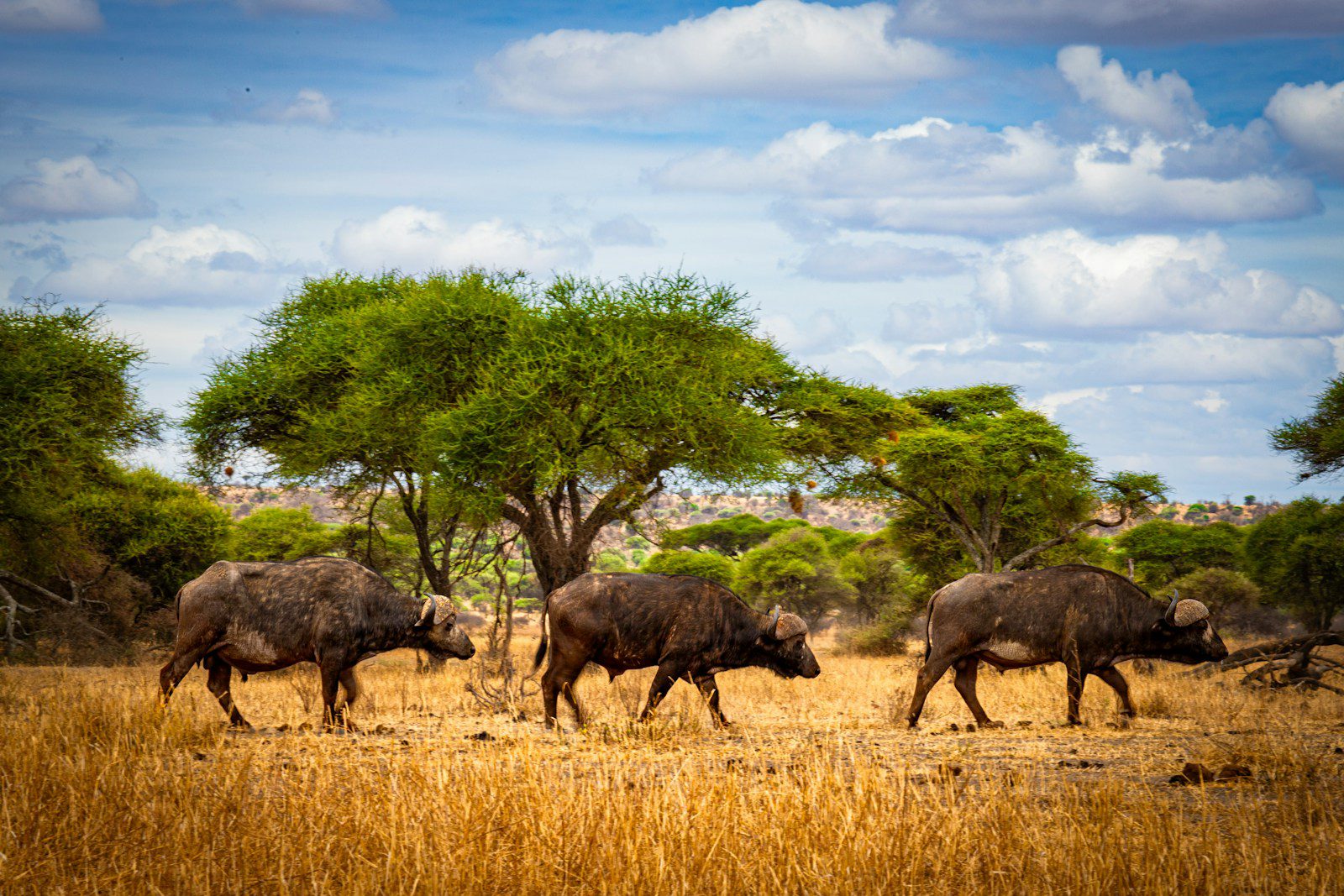
What is the Serengeti, and where is it located?
The Serengeti is a massive region of savannah-filled grasslands, woodlands, and riverine forests located in East Africa. It is one of the most iconic and pristine wildlife ecosystems in the world. The Serengeti spans two countries: most of it is in northern Tanzania, and a smaller portion extends into southwestern Kenya, where it is often called the Maasai Mara National Reserve. The name “Serengeti” comes from the Maasai word “siringet,” which means “the place where the land runs on forever”, perfectly describing its vast, open landscapes.
This famous ecosystem is home to an extraordinary variety of animals, including lions, cheetahs, elephants, zebras, and countless antelopes. It is particularly well-known for hosting the Great Migration, where over a million wildebeest, along with zebras and gazelles, journey across the plains in search of fresh grazing lands.
The Serengeti is one of Africa’s oldest and most protected ecosystems. The majority of the Tanzanian section is protected by Serengeti National Park, which was established in 1951 and is now a UNESCO World Heritage Site. Visitors can also explore surrounding reserves such as the Ngorongoro Conservation Area and Grumeti Game Reserve. Together, these areas make the Serengeti one of the most popular tourist destinations for wildlife enthusiasts.
In short, the Serengeti is not just a location, it’s an experience full of life, adventure, and natural beauty. It has an unmatched global reputation for its biodiversity and is a must-see destination for someone who loves nature.
Why is October a good time to visit the Serengeti?
October is a fantastic time to visit the Serengeti for several reasons. First, it’s part of a transitional period between the dry season (June to October) and the short rainy season (November to December). This means the weather is usually comfortable. You’ll find fewer heavy rains than in the wetter months, and at the same time, the landscapes are not as dry and harsh as in the peak of the dry season. The golden plains, scattered with wildlife and green patches, create an unforgettable scene.
October is also an ideal time for game viewing because animals are often concentrated around water sources. Since many of the natural waterholes and rivers have started drying up after months of no rain, wildlife gathers at the remaining water sources, like the Grumeti River or marshy areas within the Serengeti. Because of this, spotting animals is easier, especially the “Big Five” (lions, leopards, rhinos, elephants, and buffaloes) and other iconic African species.
Additionally, October marks the tail end of the famous Great Migration. The massive herds of wildebeest and zebras are usually heading back south from the Maasai Mara in Kenya, crossing the northern Serengeti on their way to the central Serengeti plains. Witnessing these animals in massive numbers is a once-in-a-lifetime experience and a photographer’s dream.
Lastly, October is great because it avoids the busier holiday crowds of December and January. While it’s still popular, it’s considered part of the shoulder season, less crowded but still an excellent time to see wildlife and enjoy the beauty of the Serengeti.
In short, October combines pleasant weather, active wildlife movement, and fewer crowds, making it one of the best months to explore the Serengeti.
What are the main highlights or attractions to see in the Serengeti during October?
The Serengeti has incredible attractions year-round, but in October, certain highlights truly stand out. First and foremost is the chance to witness part of the Great Migration. During this time, hundreds of thousands of wildebeest, zebras, and gazelles are migrating back south to central Serengeti after grazing in the Maasai Mara. You’re likely to see large herds crossing rivers, munching on grasslands, or interacting with predators like lions and cheetahs.
Another highlight is the abundance of predators in action. Big cats such as lions, leopards, and cheetahs are especially active as they follow the migrating prey. Watching a lion pride relaxing under the shade of an acacia tree or a cheetah sprinting after gazelles is unforgettable.
October is also a great time to visit specific areas of the Serengeti. In the northern part of the park, the Mara River is a must-see location. If you’re lucky, you might catch the tail end of the river crossings, where wildebeest brave crocodile-infested waters to continue their journey. In the central Serengeti, known as the Seronera Valley, there’s excellent year-round game viewing, but October is particularly good for spotting elephants, giraffes, and hyenas gathering near water sources.
Beyond wildlife, the Serengeti’s landscapes during October are breathtaking. The mix of golden savannah grass, scattered green vegetation, and dramatic skies during sunrise or sunset creates a dreamlike experience for travelers and photographers alike.
In summary, the main attractions in the Serengeti during October include the Great Migration, big cat sightings, rich wildlife activity near waterholes, and the stunning beauty of the park’s landscapes. It’s a magical time to visit and one full of unforgettable moments!
What wildlife activity or migration can be experienced in October?
In October, one of the most thrilling wildlife events to witness in the Serengeti is the Great Migration. This migration is an awe-inspiring, natural phenomenon where millions of wildebeest, along with zebras and other animals, move in vast herds in search of fresh grass and water. By October, these animals are usually making their way back from the Masai Mara in Kenya to the Serengeti in Tanzania, as the short rains begin to fall. This part of the migration primarily takes place in the northern and central sections of the Serengeti.
The Great Migration is not just about vast numbers of animals moving; it’s also packed with drama. Predators like lions, cheetahs, leopards, and hyenas follow the herds, taking advantage of vulnerable members like the young or injured. This means October is a perfect time to witness predator-prey interactions, which are fascinating (but sometimes a bit intense!).
Another highlight in October is the rivers. Some herds might still cross rivers here and there, such as the Mara or Grumeti Rivers. Watching a river crossing is an iconic Serengeti moment. You’ll see wildebeest plunging into the water, facing powerful currents and crocodiles lying in wait.
In addition to the migration, other year-round residents of the Serengeti can also be easily observed in October. For example, elephants, giraffes, and various antelope species are often found scattered across the savanna. Birdwatchers also enjoy this season because migratory birds begin to return.
So, in summary, October in the Serengeti offers a front-row seat to a part of the Great Migration as well as incredible wildlife encounters with predators and other animals. If you dream of seeing nature at its rawest and most beautiful, this is an unforgettable time to visit.
What is the weather like in the Serengeti in October?
October is a transition month in the Serengeti, right on the cusp of the region’s short rainy season. You can expect the weather to be generally warm and pleasant, but there’s also a chance of scattered showers. Daytime temperatures usually hover around 25-30°C (77-86°F), making it neither too hot nor uncomfortably cold. At night, temperatures drop to around 15-18°C (59-64°F), so mornings and evenings can feel cooler, especially during early game drives.
The short rains often begin toward the end of October, but they are typically light and sporadic. These rains are a blessing for the Serengeti since they help rejuvenate landscapes that may have dried out during the long dry season. This means you’ll see the grasslands changing from golden brown to a fresher shade of green as the rain stimulates new growth. This fresh greenery can create stunning scenery for photography.
The occasional rain doesn’t usually disrupt activities like game drives or safaris. Instead, it enhances the experience because wildlife tends to be active when temperatures are moderate, and after rains, you may see animals grazing or gathering around newly replenished water sources.
Humidity can increase slightly with the onset of the rains, but it’s manageable. A good breeze also keeps the atmosphere comfortable.
To sum up, October in the Serengeti offers warm days, cooler nights, and light rains that often improve the environment rather than hinder your safari plans. It’s a pleasant time to visit, with a mix of sunny weather and natural beauty as the landscape begins to transform.
What should I pack for a trip to the Serengeti in October?
Packing for a trip to the Serengeti in October requires a bit of planning, as you’ll need to prepare for both warm, sunny days and cooler mornings or evenings. Here’s a quick guide to help you pack efficiently:
- Clothing for Warm Days: Lightweight, breathable clothes are essential for daytime safari activities. Neutral colors like khaki, beige, or olive green are ideal because they blend in with the surroundings and don’t attract mosquitoes. T-shirts, light long-sleeve shirts, and shorts or comfortable pants are good options.
- Layered Clothing for Cool Mornings/Evenings: Since mornings and nights can get chilly (especially during game drives), pack a light jacket, fleece, or sweater. A scarf or shawl can also be helpful for extra warmth.
- Rain Gear: October marks the beginning of the short rainy season, so a lightweight waterproof jacket or poncho is a smart choice. Make sure it’s easy to pack and carry.
- Safari Essentials: Wide-brimmed hats and sunglasses will protect you from the sun, and a high-SPF sunscreen is a must to prevent sunburn. Also, it’s wise to bring insect repellent to ward off mosquitoes.
- Sturdy Footwear: Closed-toe, comfortable walking shoes or boots are essential for any outdoor excursion, especially if you plan to do walking safaris or explore campsites.
- Binoculars and Camera: Don’t forget a good pair of binoculars for spotting wildlife at a distance, as well as a camera with sufficient storage or memory cards.
- Other Items: A refillable water bottle is helpful for staying hydrated, and lightweight backpacks are perfect for carrying essentials during day outings. Bring any medications you might need, as well as a basic first aid kit.
- Documents and Extras: Carry travel documents, park entry permits, and copies of ID or passports. Adding a power bank or portable charger is helpful for keeping phones and cameras charged in between excursions.
By packing thoughtfully, you’ll be well-prepared for a comfortable and exciting trip to the Serengeti in October.
What type of accommodations are available in the Serengeti?
The Serengeti offers a wide range of accommodations to suit different budgets, travel styles, and preferences. From luxury lodges to budget-friendly camping options, there’s something for everyone. Let’s break it down:
- Luxury Lodges and Camps: These are high-end, all-inclusive accommodations aimed at giving you a luxurious experience in the heart of the Serengeti. They typically feature spacious tents or villas with en-suite bathrooms, running water, electricity, and even private verandas overlooking the savannah. Some examples are Four Seasons Safari Lodge or Serengeti Bushtops. You’ll often find gourmet meals, spa services, and guided safaris included in the package.
- Mid-Range Lodges and Tented Camps: These are a step down in price but still provide a comfortable experience. The accommodations tend to include permanent tented camps or small lodges with basic but nice amenities like cozy beds, hot showers, and dining areas. Places like Kati Kati Tented Camp or Mbalageti Serengeti fall into this category.
- Budget/Camping Options: If you’re looking for more affordable options, the Serengeti also has public and private campsites. You can stay in basic tents and bring your supplies or join group camping safaris where companies provide the gear, meals, and guides. These setups are much simpler, often with shared bathrooms or no running water.
- Mobile Camps: These are unique, temporary setups designed to follow the Great Migration. The camp moves to stay close to the herds, so you’re always in the middle of the action. They provide tents with comfortable bedding and are often semi-luxurious.
You can mix and match these options depending on your budget and itinerary. Whichever you choose, remember that every stay in the Serengeti aims to give you panoramic views, close access to wildlife, and a deep immersion in nature.
Are safaris the primary activity in the Serengeti, and how are they organized?
Yes, safaris are the primary activity in the Serengeti, and they are absolutely unforgettable! “Safari” means “journey” in Swahili, and it’s the best way to explore the wildlife and stunning landscapes of this iconic park. Safaris here can be organized in different ways to suit your preferences:
- Game Drives: These are the most common safaris. A trained guide takes you out in 4×4 vehicles (with open or closed roofs) to spot animals like lions, elephants, leopards, zebras, and giraffes. Morning or evening drives are popular because that’s when animals are most active. If you book with a lodge or tour operator, they’ll usually organize these for you.
- Hot Air Balloon Safaris: For a unique perspective, you can take a hot air balloon ride and look at wildlife from above. These safaris typically happen at sunrise and end with a champagne breakfast. It’s more expensive but incredibly magical to see herds of animals crossing the plains below you.
- Walking Safaris: These are guided walks with a ranger to explore the Serengeti on foot. They’re less about spotting big animals up close and more about appreciating smaller details like plants, tracks, and insects while being immersed in the environment.
- Night Safaris: In some parts of the Serengeti (but not all), night drives are an option. These give you a chance to see nocturnal animals like hyenas, owls, or bush babies.
- Cultural Visits: While not technically a “safari,” many tours also arrange visits to nearby Maasai villages where you can learn about their culture and traditions.
Most safaris are organized by tour operators, lodges, or guides, it’s usually not something you do on your own unless you’re extremely experienced. Many trips are all-inclusive, covering transport, food, and accommodations. Group safaris are budget-friendly, while private safaris cater to those who want a customized experience.
What is the cost of visiting the Serengeti in October, including safaris and other expenses?
Visiting the Serengeti in October can range from moderate to expensive depending on your travel style, but here’s a breakdown of the main costs:
- Park Fees: Entrance fees for Serengeti National Park are $70 per adult per day for non-East African visitors. If you’re staying overnight at a lodge or campsite within the park, there’s also a concession fee of $60 per person per day.
- Accommodation:
- Budget (camping): $30–$60 per night for basic public campsites.
- Mid-range lodges or tented camps: $200–$500 per night based on amenities.
- Luxury lodges or mobile camps: $600–$1,500 per night, with meals and activities included.
- Safari Costs:
- Group safaris (shared vehicle): $150–$250 per person per game drive.
- Private safaris: $400–$800 per vehicle per day, depending on duration and group size.
- Hot air balloon safaris: $500–$600 per person.
- Transportation: If you’re flying from Arusha or another Serengeti gateway, domestic flights can cost $200–$400 round-trip. Alternatively, driving to the park with a guide or car rental adds $100–$300 for a one-way trip.
- Food and Drinks: Many accommodations include meals in their rates. However, if you’re arranging your own food or staying off-site, budget $10–$20 per meal for basic options.
- Tips and Other Costs:
- Tipping is customary for guides, lodge staff, and cooks. Plan to budget around $10 per person per day for your safari guide, and additional amounts for other staff.
- Souvenirs or cultural visits usually cost $20–$50.
Example:
If you’re traveling on a tight budget and camping, you might spend $150–$200/day (inclusive of park fees, camping, and group safaris). If you’re opting for a mid-range or luxury trip, expect to pay $500–$2,000/day.
So, a one-week trip in October can range anywhere from $1,000 (budget) to $10,000+ (luxury all-inclusive with extras). October is a popular time to visit because of the migration, so booking well in advance is a good idea to secure accommodations and better deals.
Are there any safety concerns or precautions to consider when visiting the Serengeti?
The Serengeti is generally a safe destination for travelers, especially those going on organized safaris, but it’s important to take precautions to ensure your trip goes smoothly. The biggest risks come from wildlife, health issues, and environmental factors. Let’s break it down:
1. Wildlife: The Serengeti is home to incredible animals like lions, elephants, and crocodiles, the kinds you definitely don’t want to bump into on foot. On safari, always stay inside your vehicle unless your guide says it’s safe to leave. Animals can be unpredictable, so don’t try to feed them, get too close, or make loud noises, as this may disturb them. Your guide knows how to handle wildlife encounters, so trust them.
2. Health Concerns: The Serengeti is located in a malaria-risk area, so taking anti-malarial medication, using insect repellent, and sleeping under mosquito nets is key. Also, staying hydrated and protecting yourself from the intense sun with sunscreen, hats, and light clothing is essential. You may need vaccinations before your trip (consult your doctor), like yellow fever, depending on where you’re coming from.
3. General Safety: Petty crime isn’t common in the Serengeti itself because it’s a remote, well-monitored area. However, in transit hubs like Arusha or Moshi, keep an eye on your belongings. Don’t drink tap water, stick to bottled water, and be cautious about eating food from roadside vendors to avoid stomach issues.
4. Follow the Rules: Park rangers and guides have strict rules to ensure your safety and the well-being of the animals. For example, don’t litter or wander off on your own outside the designated areas.
Example: If you’re on a walking safari, your guide might instruct you to stay quiet and single-file. This keeps the group safe, imagine surprising a buffalo! Adventure is exciting, but preparation and caution keep it safe.
What cultural or historical aspects of the Serengeti should I be aware of?
The Serengeti has rich cultural and historical significance that goes beyond its famous wildlife. The name “Serengeti” comes from the Maasai word “Siringet,” which means “endless plains.” Historically, the Serengeti has been inhabited by the semi-nomadic Maasai people for hundreds of years. The Maasai are known for their unique traditions, clothing (like red shukas and intricate beadwork), and their deep connection to nature.
Culturally, the Maasai don’t hunt wildlife for food, as their diet primarily consists of meat, milk, and blood from their cattle. Instead, they revere the land and view coexistence with animals as part of their way of life. Visitors often learn about the Maasai’s traditions, dance ceremonies, and bomas (villages) as part of cultural tours. This connection to the land aligns well with conservation efforts in the Serengeti, as the Maasai generally support protecting the ecosystem.
Historically, the Serengeti has been recognized as a vital place for humanity. It’s one of the areas where early humans evolved, an ancient hotbed of human history! Sites like the Olduvai Gorge, located near the Serengeti, are sometimes referred to as the “Cradle of Mankind” because of the important fossils and tools archaeologists have found there. For example, prehistoric tools made by early humans and the remains of some of the oldest hominids (our ancestors) have been unearthed in the Olduvai Gorge.
Example: The Maasai’s jumping dance, called the Adumu, is iconic. Men gather in circles and leap into the air while singing. You might see this during a visit to a Maasai village, it’s beautiful and symbolic of their culture.
When visiting the Serengeti, it’s a chance not only to see the natural world’s wonders but also to connect with the lasting human and cultural history of East Africa.
How do I get to and travel within the Serengeti in October?
Getting to the Serengeti involves some planning, but it’s worth it! Travelers usually fly into Kilimanjaro International Airport (JRO) near Arusha, Tanzania, which serves as the gateway to the Serengeti. From there, you can either take a small domestic flight into various airstrips in the park or travel by road.
By Air: This is the fastest method, especially if you’re short on time. Many small carriers operate flights to airstrips like Seronera, Kogatende, or Grumeti. These flights are often quick (about an hour from Arusha) and offer stunning aerial views of the Serengeti. Air travel is also popular among luxury travelers or those visiting remote northern Serengeti areas during the wildebeest migration.
By Road: If you have more time, a road trip from Arusha is a more affordable and adventurous option. The drive takes about 8–10 hours, depending on which part of the Serengeti you’re heading to. The roads can be bumpy, so expect an off-road experience! A road safari often includes passing through other landmarks, like the Ngorongoro Conservation Area, adding to the adventure.
Tips for Traveling Within the Serengeti: Once inside the park, you’ll likely use 4×4 safari vehicles, which are essential for navigating the rugged terrain. Safari lodges and camps typically arrange game drives for guests, so you won’t need to worry about navigating on your own. Generally, your guides handle everything, including timing, permits, and finding wildlife.
Example: During October, the wildebeest migration often moves toward the northern Serengeti or the Masai Mara in Kenya. If you’re there to witness this iconic event, you might fly into Kogatende Airstrip near the Mara River to save time.
Whether traveling by air or road, October is a great time to explore, as it falls just after the peak tourist season, ensuring you can see the Serengeti’s magic with fewer crowds!
How To Book Your Tanzania Safari
So, there you have it! We’ve explored why October is the perfect time to visit the Serengeti, what incredible experiences await you, and how to make the most of this magical season. Ready to turn your safari dreams into reality? It’s time to book with the Best Safari Companies in Tanzania for an unforgettable Serengeti adventure. Simply click here to connect with trusted experts who will craft the perfect trip for you.