
Mount Kilimanjaro offers multiple route options with varying difficulty levels and timeframes, typically ranging from 5 to 9 days Proper physical preparation and quality...
Rumanyika–Karagwe National Park is a stunning protected area in northwest Tanzania, known for its rich biodiversity and cultural significance. Ideal for Tanzania safaris, it boasts diverse landscapes, including forests, savannahs, and wetlands, home to wildlife like elephants, buffalo, antelopes, and primates. Visitors can enjoy activities such as wildlife viewing, birdwatching, and cultural tours showcasing local communities. Located in the Kagera region, the park offers an off-the-beaten-path experience for those seeking pristine nature and authentic Tanzanian culture.
What is Rumanyika-Karagwe National Park, and where is it located?
Rumanyika-Karagwe National Park is a protected area in Tanzania, which is located in the northern region of the country. Specifically, it is situated in the Kagera Region, close to the borders of Rwanda and Uganda, in East Africa. This makes it part of a larger area that is rich in natural beauty and biodiversity, as well as significant from a cross-border ecological perspective.
The park was officially designated as a national park in 2019, which is relatively recent compared to some of Tanzania’s other, more well-known parks like Serengeti and the Ngorongoro Crater. Despite being lesser-known, Rumanyika-Karagwe National Park holds its own charm, especially for people who are looking to explore areas that are more off-the-beaten path.
Its location near the Great Lakes region of Africa (not far from Lake Victoria, Lake Edward, and Lake Kivu) gives it a unique position when it comes to biodiversity, climate, and cultural significance. The park is part of the vast Albertine Rift, a hotspot for diverse ecosystems and unique wildlife. This region is home to some of the rarest species in the world. Travelers and researchers who visit are drawn by its blend of stunning landscapes, wildlife, and quiet serenity.
To sum it up, Rumanyika-Karagwe National Park is not just about wildlife and nature, its location also makes it a fascinating place for learning about how ecosystems, borders, and cultures intersect in East Africa.
What is the size and geographical layout of the park?
Rumanyika-Karagwe National Park covers an area of approximately 247 square kilometers (around 95 square miles). While smaller than many of Tanzania’s famous parks, its compact size doesn’t diminish its appeal. Instead, its relatively small footprint means that the ecosystem here is concentrated and vibrant, offering visitors a chance to experience diverse habitats without the vast distances they might encounter in larger national parks. This makes it an ideal spot for safari tours focused on observing the rich flora and fauna of the region.
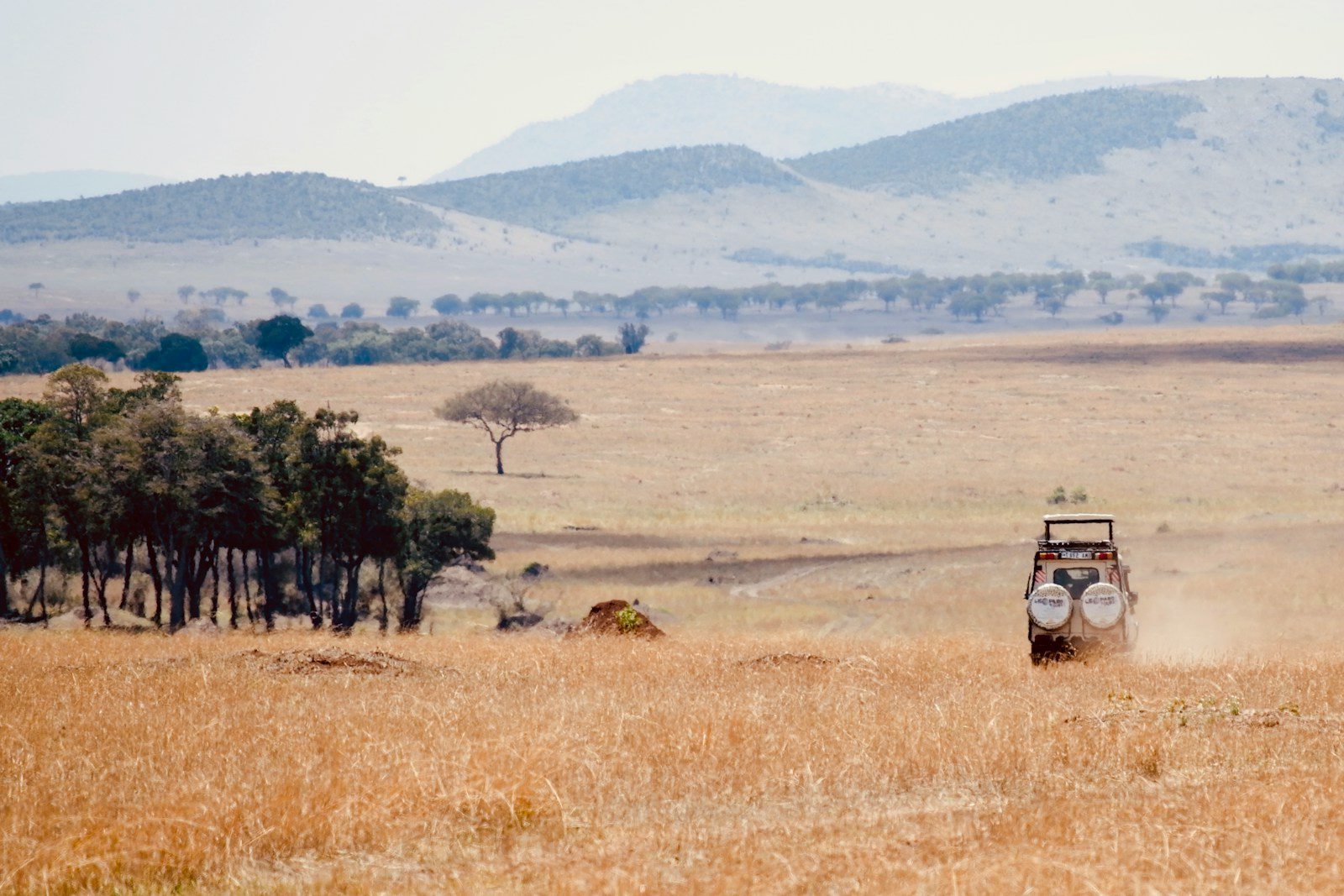
Geographically, the park is characterized by rolling hills, valleys, rivers, and wetlands. The terrain also includes grassy plains, scattered woodlands, and patches of tropical forest. The presence of rivers and marshy areas is particularly significant because they provide vital water sources for various animals and plants. One of the prominent features of the park’s layout is how it blends grasslands with forest patches, creating a mosaic-like landscape that attracts many wildlife enthusiasts, especially during a Karagwe National Park safari.
The park’s landscape is also influenced by its elevation. It sits in a hilly area of the Albertine Rift Valley, with altitudes that vary between 1,300 to 2,000 meters (around 4,300 to 6,500 feet) above sea level. This higher elevation creates a cooler climate compared to other regions of Tanzania, enhancing the park’s appeal for outdoor activities such as hiking and nature walks.
One of the highlights of the park’s geography is its proximity to the Kagera River, a major river in East Africa. The river flows through this region and supports the local ecosystems, making it essential for the survival of many species. These geographical features not only make the park vital for wildlife but also an attractive destination for eco-tourists seeking unique wildlife attractions.
What types of ecosystems and habitats are found within the park?
Rumanyika-Karagwe National Park is home to a variety of ecosystems and habitats that make it a treasure trove of biodiversity. The two main types of habitats found in the park are grasslands and forests, but there are also wetlands, rivers, and swampy areas that add to the diversity. This park is one of the notable national parks in Tanzania, attracting visitors interested in a karagwe national park safari.
The grasslands in the park are open areas where short grasses dominate, interspersed with shrubs and small trees. These grasslands are crucial because they provide grazing areas for herbivores like antelopes and zebras. Consequently, these animals attract predators such as lions and leopards, creating a balanced and thriving ecosystem that is a highlight of Tanzania safari tours.
Forests in the park tend to grow in areas with more moisture, often near rivers or at the base of hills. These lush forests are home to unique species of primates, birds, and smaller animals like reptiles and insects. For example, forested areas might house endangered chimpanzees that depend on the trees for food and shelter, making the park a significant spot for wildlife attractions.
Wetlands and rivers in the park create habitats for animals like hippos and crocodiles, as well as various species of fish and amphibians. The park’s wetlands are especially important for waterbirds, offering them places to feed, nest, and breed. Visitors might see birds like egrets, herons, and kingfishers near these water bodies, enriching the bird viewing experience.
The variety of ecosystems ensures that Rumanyika-Karagwe National Park supports a rich array of life. These diverse habitats also make the park extremely resilient; if conditions change in one area, animals can often migrate to another nearby ecosystem that suits their needs. This blend of grasslands, forests, and wetlands makes the park essential for wildlife conservation and research, appealing to those looking for outdoor environment nature experiences.
What species of wildlife are indigenous to Rumanyika-Karagwe National Park?
Rumanyika-Karagwe National Park is home to a diverse array of wildlife that is native to this part of Tanzania. Because the park contains mixed habitats, like grasslands, forests, and wetlands, it supports a variety of species, making it a prime destination for Tanzania safari tours. Some of the most notable mammals indigenous here include elephants, buffaloes, and antelopes such as reedbucks and bushbucks. These species rely on the park’s grassy plains and forested areas for food and shelter.
Primates are another key highlight of the park. It is especially noted for its population of primates like baboons and colobus monkeys, which thrive in the denser forest areas. These species contribute to seed dispersal, playing a vital role in maintaining the health of the lush forest ecosystem.
Birdlife is incredibly diverse as well. The wetlands support a variety of waterbirds, while the grasslands and forests are home to other bird species. Visitors might spot secretary birds, hornbills, storks, or even the colorful turacos, enhancing the experience of photographic safaris.
Predators like leopards and hyenas are also present, though they might be harder to spot as they are stealthy hunters. Smaller carnivores like servals and jackals roam the area, preying on rodents and small mammals.
In short, Rumanyika-Karagwe National Park offers a mix of large, iconic African animals, diverse birdlife, and smaller species, making it a hotspot for biodiversity.
What is the historical and cultural significance of this national park?
Rumanyika-Karagwe National Park is not just important for its ecological contributions, it also holds deep historical and cultural value. Historically, the park is located in an area that was once part of the greater Karagwe Kingdom, a region in northwestern Tanzania known for its rich cultural traditions. The landscapes of the park, including its hills and valleys, were part of the ancestral lands of the people who lived and thrived here for generations, making it a crucial aspect of the karagwe national park safari experience.
One cultural aspect tied to the region is the use of the land and resources by local communities for centuries. Many families in the area have passed down stories, traditions, and practices that are connected to the park’s natural environment. For example, indigenous knowledge about local plants used for medicine, rituals, or food has been preserved through oral traditions in the region, enhancing the cultural richness of this diverse ecosystem.
Parts of the park continue to hold spiritual importance for the surrounding communities. Certain areas may be regarded as sacred due to their historical connections or the presence of unique natural features, like ancient trees or special rock formations. Such sites are often treated with reverence and protected by the neighboring people, forming a bridge between nature and culture, which is vital for those interested in photographic safaris.
By preserving the park, the Tanzanian government is not only supporting conservation efforts but also ensuring that the living history and cultural legacy of the local communities are safeguarded. This balance between nature and culture makes the park a unique destination and underscores its importance to both the environment and the people of Tanzania.
How does the park contribute to biodiversity conservation in the region?
Rumanyika-Karagwe National Park plays a critical role in preserving the biodiversity of the region, meaning it helps to maintain many different kinds of plant and animal life, ensuring a healthy and balanced ecosystem for future generations. One way the park contributes to biodiversity conservation is by protecting habitats, forests, wetlands, grasslands, that many species depend on to survive. By safeguarding these environments, the park ensures that wildlife populations, from large mammals like elephants to tiny insects and birds, have a safe place to live and flourish, making it a prime destination for a karagwe national park safari.
Another important contribution is the protection of species that are endemic to the region (species that exist only in this part of the world). By creating an official protected area, Tanzania can prevent deforestation, illegal hunting (poaching), and other activities that threaten these rare species. For example, the park provides a safe space for herbivores and primates, including endangered chimpanzees, while also supporting the predators that keep these populations in check.
Rumanyika-Karagwe’s biodiversity conservation efforts also have bigger ripple effects beyond its borders. Healthy ecosystems within the park contribute to the overall balance of the environment in the region. For instance, trees in the forests play a role in capturing carbon dioxide, helping to fight climate change. Wetlands help regulate water levels and reduce the risk of floods, benefiting communities and agriculture nearby, and enhancing the wildlife attractions for tourists.
Additionally, the park serves as a natural corridor or linkage for animals, allowing them to migrate between different areas safely. This is especially important for species like elephants that need to travel over long distances to find food and water, making it a key area for safari tours in East Africa.
In short, Rumanyika-Karagwe National Park isn’t just a haven for local wildlife, it’s a cornerstone of the region’s environment as a whole. By protecting the park, Tanzania is investing in the health and future of its natural heritage.
Are there any endangered species living in the park?
Yes, Rumanyika-Karagwe National Park is home to several endangered species because it serves as a crucial sanctuary for preserving wildlife that is at risk of extinction. Since the park is located in Tanzania, which is known for its incredible biodiversity, it’s no surprise that some vulnerable species find refuge there. The Karagwe National Park safari experience allows visitors to witness this rich diversity firsthand.
One example is the African wild dog, also known as the painted wolf. These dogs are critically endangered due to habitat loss and human-wildlife conflict. In the park’s wide-open grasslands and savannahs, they occasionally roam in packs. Another species that’s protected here is the black and white colobus monkey, which depends on the dense forests within the park. Although not critically endangered, these monkeys are at risk due to deforestation.
The park also provides habitat for rare bird species like shoebill storks, which are considered vulnerable. They are fantastic-looking birds with a huge, prehistoric beak, and they live in swampy wetland areas. Similarly, hornbills, often hunted elsewhere for their beaks, also thrive in Rumanyika-Karagwe, making it a prime spot for photographic safaris.
By protecting such species, the park plays a key role in global conservation efforts. It serves as a genetic reservoir and a “last safe place” for endangered animals, giving them a chance to recover in a relatively untouched ecosystem. Visitors should remember, though, that seeing these rare creatures may require patience and luck since their numbers are low.
Programs like anti-poaching initiatives and habitat restoration projects are vital to ensuring that endangered species in Rumanyika-Karagwe can continue to survive and maybe even thrive one day. By visiting the park responsibly, tourists contribute financially to these efforts, making it a win-win situation for conservation and eco-tourism.
What activities or experiences can visitors engage in when visiting the park?
Rumanyika-Karagwe National Park offers visitors a blend of exciting adventures and serene natural beauty, making it a prime destination for a karagwe national park safari. One of the most popular activities is wildlife safaris. Tourists can hop into guided safari vehicles to explore the park’s landscape while searching for unique animals like elephants, giraffes, and the rare African wild dog. Imagine peacefully observing a herd of elephants strolling along, or a group of playful baboons, this is the magic of a safari in this diverse ecosystem.
Birdwatching is another great activity since the park is a haven for bird lovers. With ecosystems ranging from wetlands to forests, you’ll find rare and colorful birds, like the shoebill stork or hornbills. Visitors often bring binoculars and bird identification books to make the most of this experience, especially since the park is home to many bird types that attract enthusiasts.
Guided nature walks are also available, allowing travelers to connect more closely with the outdoor environment of the park on foot. This is perfect if you want to immerse yourself in the details of the flora and fauna while learning from experienced guides. For example, guides might point out medicinal plants or hidden signs of wildlife activity, like pawprints or birdsong.
Another favorite activity is visiting local villages or engaging in cultural experiences. Since the park is located in the Karagwe region, tourists can learn about indigenous traditions, such as how local communities coexist with wildlife and use the land sustainably. This type of experience often leaves lasting impressions and creates meaningful connections between visitors and the local culture.
Rumanyika-Karagwe also offers plenty of opportunities for photographers to capture the stunning beauty of the landscape, animals, and sunsets. Picture yourself snapping a photo of a majestic giraffe with the mountains in the background, enhancing your memories of this tanzania safari tours destination.
These activities make the park perfect for a wide range of visitors, from adventure lovers to families looking for a peaceful escape into nature, ensuring that everyone can enjoy the incredible wildlife attractions and natural scenery.
How accessible is the park, and what amenities are available for tourists?
Rumanyika-Karagwe National Park is located in northern Tanzania, relatively close to the borders of Uganda and Rwanda. Getting to the park can be quite an adventure! The closest major town is Bukoba, situated about 100 kilometers (approximately 62 miles) away. Visitors can reach Bukoba by flying in from larger cities like Dar es Salaam or Mwanza. From Bukoba, most travelers typically drive to the park, either in private vehicles or through tour operators that offer transfers. The roads leading to the park can be challenging, especially during the rainy season when they become muddy and harder to navigate. A sturdy 4WD vehicle is highly recommended for those embarking on a Tanzania safari tour.
Once you’re inside the park, you’ll find it’s well worth the effort to visit. While it’s not as developed as some of Tanzania’s larger national parks, such as the Serengeti, the natural landscape feels untouched and pristine, offering an unspoiled African wilderness experience. The park is home to a variety of wildlife attractions, including endangered chimpanzees, which adds to its appeal for wildlife enthusiasts.
In terms of amenities, Rumanyika-Karagwe is a bit more basic compared to more famous tourist destinations. Although there may not be large luxury lodges, some local accommodation options exist, such as eco-camps and simple lodges near the park. These accommodations are popular with eco-tourists who prefer an authentic experience. Additionally, tourists might find camping to be a great option, perfect for adventurous travelers who want to sleep under the stars surrounded by the sounds of nature in this lush forest.
Guides and park rangers are often available to assist tourists with tours or ensure safety during their visit. However, it’s a good idea to come prepared, bringing essentials like water, snacks, sunscreen, and sturdy walking shoes. Visitors should plan ahead, as the park is still in a developing phase for tourism infrastructure.
In summary, while Rumanyika-Karagwe might not be as polished as Tanzania’s big-name parks, its relative inaccessibility and basic amenities make it a hidden gem for those seeking raw, unspoiled nature.
What role does the local community play in the management of the park?
The local community plays a crucial role in the management of Rumanyika-Karagwe National Park, a key destination for those seeking a Karagwe national park safari. In many parts of the world, including Tanzania, the successful conservation of protected areas like national parks depends on the involvement and cooperation of the people who live nearby. These communities often have a deep connection to the land and its wildlife, and their support is key in maintaining the health and sustainability of the park.
In Rumanyika-Karagwe, the local community participates in the park’s management through sustainable practices, co-management initiatives, and eco-tourism activities. For example, some members of the community are trained as park rangers, guides, or conservation staff. This not only provides them with employment but also strengthens their role in preserving the park’s resources. By working as rangers or guides, they gain a sense of ownership over the park’s conservation, which builds trust between the park authorities and the community while enhancing the overall experience of Tanzania safari tours.
Additionally, the park management often involves community leaders in decision-making processes related to conservation efforts and tourism planning. This collaboration ensures that the community’s needs are taken into account. For instance, if local people rely on certain areas of the park for water or food resources (like wild honey or medicinal plants), park authorities may work with the community to establish sustainable harvesting practices that protect the environment while supporting traditional livelihoods.
Another major way the local community is involved is through eco-tourism ventures. Some locals may operate cultural tourism activities, such as hosting visitors in traditional homesteads, sharing their customs, or creating handicrafts to sell as souvenirs. This involvement brings direct economic benefits to the community, providing an incentive to further protect the park and its diverse wildlife attractions.
By emphasizing community involvement, the park not only safeguards the environment but also fosters a sense of stewardship among local people, which is vital for the long-term success of conservation efforts. This collaborative spirit helps ensure that the unique biodiversity of the Karagwe region is preserved for future generations.
What challenges does the park face in terms of conservation and tourism?
Like many protected areas around the world, Rumanyika-Karagwe National Park, a gem in the Karagwe region, faces a variety of challenges when it comes to both conservation and tourism. These obstacles can hinder the park’s ability to preserve wildlife, ecosystems, and cultural sites, as well as limit its potential as a global tourist destination, particularly for those interested in a Karagwe National Park safari.
One significant challenge is human-wildlife conflict. The park is surrounded by farming communities, and animals such as elephants may occasionally leave the park boundaries to raid crops. For local farmers, this can result in serious economic losses, leading to negative attitudes toward the park. Some may even retaliate by harming wildlife or illegally hunting animals they see as a threat to their livelihoods, impacting the rich biodiversity of the area.
Another challenge is poaching and illegal harvesting of resources. Despite increased enforcement, wildlife poaching, whether for bushmeat, ivory, or other animal products, remains a concern. Local communities, often driven by poverty, may also enter the park to collect firewood, graze livestock, or hunt for subsistence, which can degrade the park’s ecosystems over time, threatening various animal species.
Climate change is yet another threat that affects the park’s biodiversity. Changing weather patterns can disrupt ecosystems, alter the availability of water, and make survival more difficult for certain species. For example, prolonged droughts can reduce food availability for herbivores, which then impacts predators that feed on them, thereby affecting the overall wildlife attractions.
In terms of tourism, the park’s remote location and limited infrastructure can pose a challenge. Since the area is not as well-known as some other Tanzanian parks like Serengeti or Ngorongoro, it receives fewer tourists. Without consistent tourism revenue, funding for conservation and community development becomes more challenging, limiting opportunities for safari tours that could showcase its unique features.
Efforts are underway to address these issues through education programs, better enforcement of laws, and partnerships with local communities. However, overcoming these challenges will require constant attention and resources.
How is the park significant to Tanzania’s overall environmental and tourism strategies?
Rumanyika-Karagwe National Park plays an important role in Tanzania’s broader efforts to protect the environment and boost tourism. Tanzania is world-renowned for its biodiversity and spectacular wildlife, making parks like this integral to the country’s environmental sustainability and economic development.
From an environmental perspective, the park is a vital part of Tanzania’s network of protected areas. It conserves diverse ecosystems, ranging from savannahs to forests, that are home to a variety of animal and plant species. Many of these species play essential roles in maintaining healthy ecosystems, for example, elephants shape landscapes by uprooting trees, which allows new plants to grow, while predators like leopards help control herbivore populations.
Protecting this park also contributes to global biodiversity conservation goals. Tanzania recognizes its responsibility to preserve species and habitats for future generations, not only for the country but the world. By safeguarding Rumanyika-Karagwe, the government helps ensure that ecosystems remain sustainable even in the face of threats like climate change.
On the tourism side, the park is part of Tanzania’s strategy to position itself as one of the top safari and wildlife destinations globally. Locations like the Serengeti and Kilimanjaro are already famous, but expanding tourist awareness to include lesser-known parks helps distribute visitors more evenly and creates opportunities for rural communities. Rumanyika-Karagwe, with its stunning landscapes and unique wildlife, offers a chance for eco-conscious travelers to experience a less crowded and more intimate side of Tanzanian wildlife.
Furthermore, tourism revenue generated by the park supports the national economy. It funds conservation initiatives, creates jobs for local communities, and helps develop infrastructure in rural areas. By investing in areas like Rumanyika-Karagwe, Tanzania strengthens its stance as both a global conservation leader and a top destination for nature tourism.
How to Book Your Tanzania Safari
By now, you’ve learned what makes Rumanyika-Karagwe National Park such a hidden gem, how its breathtaking landscapes and diverse wildlife attractions set it apart, and why it’s a must-visit destination in Tanzania. Ready to experience this untamed paradise for yourself? Don’t wait, book your karagwe national park safari adventure with one of the Best Safari Companies in Tanzania. Let expert guides help you create unforgettable memories in this unique park known for its rich savannah wildlife.