
Mount Kilimanjaro offers multiple route options with varying difficulty levels and timeframes, typically ranging from 5 to 9 days Proper physical preparation and quality...
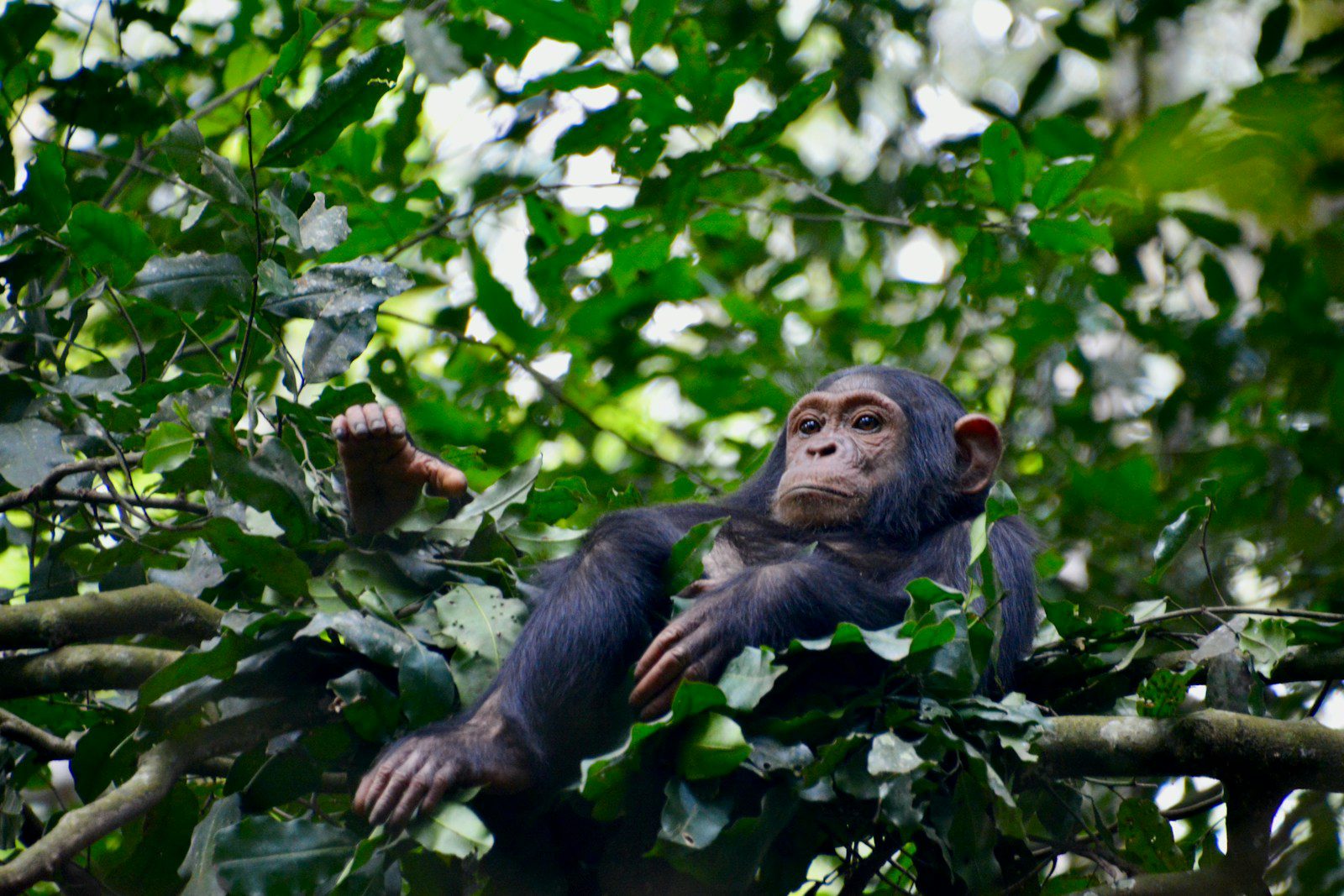
Gombe Stream (Gombe) National Park is a small but renowned wildlife destination in Tanzania, famous for its groundbreaking chimpanzee research by Dr. Jane Goodall. Located along the eastern shore of Lake Tanganyika, the park offers incredible opportunities to experience Tanzania safaris focused on primate treks. Visitors can enjoy activities like chimpanzee tracking, birdwatching, hiking through lush forests, and boat rides on the lake. With its rich biodiversity and stunning landscapes, Gombe is ideal for nature enthusiasts seeking a unique and intimate wildlife experience.
Where is Gombe Stream National Park located?
Gombe Stream National Park is located in Tanzania, a country in East Africa. Specifically, it is situated along the western edge of Tanzania, near the eastern shores of Lake Tanganyika, which is one of the largest and deepest freshwater lakes in the world. The park lies close to a small town called Kigoma, which serves as a gateway for visitors traveling to the park.
This national park is relatively small compared to other parks in Africa, covering only about 35 square kilometers (13.5 square miles), but its location is breathtaking. The park is nestled between the steep green slopes of the Rift Valley and the clear blue waters of Lake Tanganyika. What’s unique is that you need a boat to reach the park, as it’s not accessible by road.
For example, imagine standing on a sandy beach with lush forested mountains rising up behind you, while a massive, calm lake stretches out in front of you, it’s this rare combination of forest and water that makes Gombe Stream so special. The beautiful landscape isn’t just scenic; it also creates the perfect environment for the wildlife, including the chimpanzees the park is famous for.
In summary, Gombe Stream National Park is in western Tanzania, on the shores of Lake Tanganyika, near the town of Kigoma. Its remote and scenic location makes it feel like a hidden gem in the heart of Africa.
What is Gombe Stream National Park most famous for?
Gombe Stream National Park is most famous for its rich chimpanzee population and being the place where groundbreaking research on wild chimpanzees began. This research, led by Dr. Jane Goodall in the 1960s, helped humans understand chimpanzee behaviour like never before. These intelligent animals share about 98% of our DNA, meaning that studying them also teaches us a lot about ourselves!
Before Jane Goodall started her work, not much was known about chimpanzees in the wild. Gombe became the first place where scientists observed the natural behaviour of chimpanzee troops up close for extended periods. The park gained fame for discoveries that challenged earlier views about animal species. For instance, researchers at Gombe saw chimpanzees using tools, like twigs, to fish termites out of mounds. This was the first time scientists realized that animals other than humans could make and use tools, a behaviour once thought to define humans as a species.
Gombe isn’t just about scientific discoveries; it’s also known as a conservation hotspot because the chimpanzee population there faces threats like habitat loss. The park plays a major role in protecting these intelligent creatures and preserving their jungle habitat.
In short, Gombe Stream National Park is famous for its connection to chimpanzee research, the discovery of tool use among animals, and its role in wildlife conservation. Thanks to Gombe, we understand chimpanzees, and our connection to them, much better than ever before.
Who is Jane Goodall, and how is she connected to the park?
Jane Goodall is a world-renowned primatologist, ethologist (animal behavior expert), and conservationist. She is most famous for her work with wild chimpanzees in Gombe National Park, Tanzania. Her journey began in 1960, when she was just 26 years old and had no formal scientific training. Encouraged by the famous anthropologist Louis Leakey, she traveled to Gombe to study chimpanzee behaviour, believing her fresh perspective could lead to groundbreaking discoveries.
At Gombe, Jane Goodall made history by observing wild chimpanzees in ways no one had before. She became famous for spending long hours watching the Gombe chimpanzees closely and quietly, which allowed her to see what they were really like in their natural habitat. For example, she discovered that chimpanzees use tools and that they have complex social lives, with individual personalities, emotions, and strong family bonds. Before her work, scientists didn’t know that animals could have these human-like traits, highlighting the rich chimpanzee population in the park.
Jane Goodall’s connection to Gombe goes beyond research. Her work brought global attention to the need to protect chimpanzees and their habitats. Today, thanks to her, Gombe is viewed as a symbol of conservation and the deep connection between humans and animals, making it a prime destination for chimpanzee trekking.
Over time, Jane has become a leading voice in environmental advocacy. Through the Jane Goodall Institute, she continues to educate people and fight for the protection of wildlife and the planet. In essence, Jane Goodall and Gombe are forever linked, her discoveries there changed not only how scientists study animals but also how we view our place in the natural world.
What types of wildlife can be found in Gombe Stream National Park?
Gombe Stream National Park, located in Tanzania, is home to a diverse range of wildlife, making it a special place for studying animals and enjoying nature. Most famously, the park is known for its population of wild chimpanzees, which are very closely related to humans, about 98% of our DNA is the same! These Gombe chimpanzees have been studied in the park for decades and are one of the main reasons people know about Gombe. They are fascinating animals, capable of using tools, showing emotions like kindness or anger, and even working together in groups, showcasing unique chimpanzee behaviour.
But chimps aren’t the only animals you’ll find! Gombe is also home to various monkeys like olive baboons and red colobus monkeys. The baboons are known for their complex social structures, where every individual has a specific position in the group’s “hierarchy.” Red colobus monkeys are fun to watch because they are constantly moving through the treetops, escaping predators like chimps, who sometimes hunt them. This rich chimpanzee population adds to the park’s allure.
In addition to primates, you can find smaller animals like bush pigs, various snakes, and insects, as well as over 200 species of birds! Some examples of birds include the fish eagle, African paradise flycatcher, and crowned eagle. Along the edges of Lake Tanganyika, which borders the park, you might spot fish and even hippos or crocodiles, making it a prime location for safari day tours.
In summary, the wildlife in Gombe offers a mix of primates, birds, predators, and smaller forest creatures. Each species plays an important role in the ecosystem, and together, they make the park a vibrant and dynamic environment where life thrives, perfect for those interested in chimpanzee trekking and observing animal species in their natural habitat.
What are the key features of the chimpanzee research conducted in the park?
The chimpanzee research conducted in Gombe National Park is groundbreaking and has changed how we think about animal species, intelligence, and even our own evolution. It all started in the 1960s when Dr. Jane Goodall began her work here. She was one of the first people to study wild chimpanzees in their natural habitat, and her observations revealed amazing insights.
One of the most important findings from Gombe is that chimpanzees use tools. This was a big surprise at the time because it was believed that only humans could use tools. Jane observed chimps using sticks to dig termites out of their mounds to eat them, kind of like using a fork! This discovery showed that Gombe chimpanzees are much smarter than people had imagined.
Another key feature of the research is observing the complex social lives of chimpanzee troops. They live in groups called “communities” and have relationships that involve cooperation, friendship, competition, and even conflict. For example, a chimp might share food with one of its closest allies or fight to defend its territory from another group of chimps. By studying the chimps’ behavior, researchers have learned that these social behaviors are somewhat similar to human interactions.
The research has also been focused on how these chimps communicate. They use a mix of gestures, facial expressions, and sounds like hoots and screams to “talk” to each other. These behaviors are evidence that the foundations of language might exist in animals other than humans.
Overall, the chimp research at Gombe has contributed to our understanding of primate behaviour, social structures, and how closely tied humans and chimps really are. It also reinforces the importance of conserving these intelligent animals and their habitats.
How big is Gombe Stream National Park, and what is its geography like?
Gombe Stream National Park is very small compared to other national parks, it’s only about 52 square kilometers (20 square miles) in size. To give you some perspective, that’s smaller than most big cities! However, this tiny park packs a lot of natural beauty into its space and has a unique geography that makes it special, particularly for those interested in chimpanzee behaviour.
The park is located on the western edge of Tanzania, right along the shores of Lake Tanganyika, which is one of the largest and deepest lakes in the world. Because of its location, the park has a stunning mix of lake views, steep hills, and green valleys. The “streams” in its name refer to the small rivers and streams that flow through the valleys into Lake Tanganyika, providing a rich habitat for the Gombe chimpanzees.
The geography of Gombe is defined by its lush forests. There are two main types, dense evergreen forests and open woodland forests. The heavy greenery of the evergreen forests provides homes and food for many species, like chimpanzees, monkeys, and birds. The woodlands have tall trees but are much less dense, letting sunlight in and making it easier for animals like baboons to roam, enhancing the park’s status as a prime location for chimpanzee trekking.
The steep slopes and ridges of Gombe make it challenging to navigate, but they also create amazing habitats for wildlife. For example, chimpanzees travel these steep hills to gather fruit and move between their sleeping and feeding spots. The park’s varied landscape means it supports a wide range of plant and animal life, including various primate species, despite being so small.
To sum up, Gombe Stream National Park may be tiny, but its combination of forests, streams, and proximity to Lake Tanganyika makes it a breathtaking place full of life and activity, particularly for those eager to observe the fascinating behaviours of the Gombe chimps!
What conservation efforts are in place to protect the park and its wildlife?
Many conservation efforts have been implemented to protect Gombe Stream National Park and its remarkable wildlife, especially its famous Gombe chimpanzees. One of the most important initiatives involves habitat conservation. Over the years, deforestation caused by human expansion and agricultural activities has threatened the park’s landscape, shrinking the habitats of chimpanzees and other animal species. To tackle this, organizations, including the Jane Goodall Institute, have worked directly with surrounding communities to create sustainable practices like reforestation programs. These reforestation efforts help restore the natural environment, not just for wildlife but also for the people living nearby who depend on the land.
Another key effort involves protecting the park’s chimpanzees from diseases. Chimpanzees and humans are so closely related (sharing about 98-99% of the same DNA) that they can easily spread illnesses to one another. Conservationists monitor the chimpanzee populations to prevent outbreaks and educate tourists and researchers about minimizing human-wildlife contact, particularly during chimpanzee trekking activities.
There are also anti-poaching initiatives. While poaching isn’t as severe in Gombe as in some other regions, efforts are still in place to monitor and stop any illegal hunting or harmful activities within the park’s boundaries. Rangers patrol the park regularly, ensuring its wildlife remains safe and undisturbed, especially the vulnerable chimpanzee troops.
Lastly, community involvement plays a massive role in Gombe’s conservation. Local villages are encouraged to participate in initiatives that benefit both people and wildlife. The Jane Goodall Institute’s “TACARE” program (short for the Lake Tanganyika Catchment Reforestation and Education initiative) helps communities with education, healthcare, and sustainable resource use, showing that protecting the park doesn’t just benefit animals, it helps humans, too. A healthy park means a healthier environment for everyone.
In sum, conservation efforts in Gombe focus on habitat restoration, disease prevention, anti-poaching measures, and community collaboration.
What is the significance of Gombe Stream National Park in the field of primatology?
Gombe Stream National Park is hugely significant in the field of primatology, the scientific study of primates. Its importance stems primarily from Jane Goodall’s groundbreaking work with Gombe chimpanzees that began in the 1960s. Before Goodall’s research, scientists had very little understanding of chimpanzee behavior, social structures, and intelligence of chimpanzees. At Gombe, she revolutionized how primates, and even humans, are studied.
Goodall’s years of observation revealed that chimpanzees, like humans, are highly intelligent and social creatures. For example, she documented how chimpanzees use tools, such as sticks to fish termites out of holes, proving that tool use wasn’t a uniquely human trait as previously believed. She also found that chimps form close family bonds, have complex relationships, and even display emotions like grief, playfulness, and aggression. For instance, she observed chimps mourning the deaths of family members, which showed parallels between human and chimpanzee behavior.
Gombe was also the site of the first extensive long-term study of a wild primate population. Goodall and her research team meticulously recorded individual chimpanzees’ interactions, giving scientists detailed knowledge on how primates live in their natural environments. This has been invaluable for understanding the evolution of human behavior since chimpanzees are our closest living relatives.
Beyond studying chimpanzees specifically, Gombe Stream National Park set the stage for future field studies. It showed how long-term, immersive observation in the wild can reveal insights into behavior that would never be seen in captivity. Today, researchers around the world continue to use the principles established at Gombe to study other primates and animals.
In sum, Gombe Stream National Park is a cornerstone of primatology because it unlocked a deeper understanding of chimpanzee behavior, inspired countless scientists, and illuminated the connections between chimps and humans.
When was Gombe Stream National Park established, and why?
Gombe Stream National Park was officially established in 1968, in Tanzania, to protect the chimpanzees and other wildlife living in the area. Covering only about 13.5 square miles (35 square kilometers), the park is incredibly important for the conservation of the rich chimpanzee population. The establishment of this protected space was primarily motivated by a desire to conserve the chimpanzee population, which was already under threat from habitat loss, hunting, and other human activities.
When Jane Goodall first arrived at Gombe in 1960 to study chimpanzees, the region was not officially protected. Her groundbreaking research quickly highlighted the importance of safeguarding these animals and their forests. Without protection, the gombe chimpanzees could have faced severe population declines due to deforestation, hunting, or disruption by human activities. Goodall’s work gained widespread attention around the world and helped generate support for conservation efforts. Her findings showed that preserving the chimpanzees’ natural habitat was crucial for both their survival and for further scientific studies.
As a result, Gombe Stream National Park was established as one of Tanzania’s national parks. By granting it this status, the government ensured that the forest would be a protected sanctuary where chimpanzees and other wildlife could live without the constant pressure of human encroachment. The timing was significant, as the 1960s marked a period when global awareness about the need for conservation was growing, making Gombe chimpanzee trekking a main attraction for visitors.
Today, the park continues to serve as a safe haven for wildlife and as an invaluable location for research. Without its establishment, efforts to study and conserve chimpanzees in their natural habitat might have been far more challenging or even impossible. Gombe Stream National Park’s creation was a critical step in preserving not just a species, but an entire ecosystem, allowing for the study of chimpanzee behaviour in their natural habitat.
What activities can visitors engage in when visiting the park?
Gombe Stream National Park in Tanzania offers a variety of activities for visitors, making it an exciting and unique travel destination. The park is most famous for its chimpanzee trekking experiences, as it is one of the best places in the world to observe Gombe chimpanzees in their natural habitat. Visitors can join guided treks through the forest, where expert guides help locate the chimpanzees and share fascinating insights about their behavior, family dynamics, and communication. These treks often lead visitors through lush forests, rivers, and rugged trails, providing a glimpse into the park’s beauty and biodiversity.
In addition to chimpanzee trekking, visitors can enjoy hiking on various forest trails. Gombe’s trails present a range of difficulties, so whether you’re a casual walker or an experienced hiker, there’s a path for you. During these hikes, guests can discover beautiful viewpoints, such as those overlooking Lake Tanganyika, the second deepest freshwater lake in the world. Swimming and snorkeling in Lake Tanganyika is another activity that visitors often enjoy. Its crystal-clear waters are home to hundreds of vibrant cichlid fish species, making snorkeling an exciting option for those seeking an aquatic adventure.
Birdwatching is another popular activity in Gombe. With over 200 species of birds recorded, including African fish eagles and kingfishers, the park attracts visitors who enjoy the sights and sounds of diverse birdlife. Photography opportunities abound, thanks to the park’s stunning landscapes and wildlife, including the rich chimpanzee population.
Lastly, history and science enthusiasts can explore Jane Goodall’s legacy, as her groundbreaking research on chimpanzee behavior started in Gombe. Guided experiences often include a discussion of her incredible work, adding an educational element to the visit. In summary, Gombe gives visitors the chance to connect with nature, marvel at wildlife, and learn about conservation and primatology.
What challenges does Gombe Stream National Park face today?
Gombe Stream National Park faces several significant challenges that threaten its wildlife, environment, and conservation efforts. One major challenge is habitat destruction. The park itself is small (only 52 square kilometers), and it’s surrounded by human settlements. As nearby communities, like Mwamgongo village, grow, people cut down trees in the forested areas surrounding the park for farming, firewood, or building materials. This deforestation reduces the forest buffer zone and pushes humans and wildlife closer together, leading to conflicts with the rich chimpanzee population in the area.
Another challenge is climate change, which affects the entire region, including Gombe National Park. Changes in rainfall and temperature impact the forest ecosystem, food availability for animals, and the health of plant and wildlife populations. For example, if fruit trees fail to produce as much fruit due to erratic weather, Gombe chimpanzees and other species struggle to find enough food, which can disrupt their family life and overall health.
Disease is also a significant issue in Gombe. Since chimpanzees are so genetically similar to humans, they are highly susceptible to human-transmitted diseases like colds or respiratory infections. Tourists, researchers, and people living near the park can unintentionally pass illnesses to these endangered chimpanzees, which can be devastating for populations living in such close-knit groups.
Lastly, funding and resources for conservation efforts are often limited. Even though organizations like the Jane Goodall Institute support the park’s conservation activities, effective work takes money for research, ranger patrols, and protection programs. Without proper funding, it becomes harder to address threats like poaching or manage sustainable tourism practices that could enhance chimpanzee trekking experiences for visitors.
To address these challenges, more collaborative efforts between governments, conservation organizations, and local communities are needed. Education programs, forest restoration projects, and sustainable development practices can help reduce human impact on the park while maintaining its natural beauty and biodiversity, ensuring the survival of Gombe’s unique primate species.
How has Jane Goodall’s work in Gombe impacted global conservation efforts?
Jane Goodall’s work in Gombe National Park revolutionized the way we view wildlife, conservation, and our connection to nature. Her groundbreaking research on Gombe chimpanzees, which began in 1960, showed the world that these primate species are much more similar to humans than previously thought. For instance, she discovered that chimpanzees make and use tools, a behavior once believed to be unique to humans. This finding transformed the study of animal behavior and bridged the gap between humans and other animals. By recognizing chimpanzees as intelligent, tool-using beings with social lives and emotions, Goodall fundamentally changed scientific perspectives and inspired a greater respect for wildlife.
Beyond research, Jane Goodall has been a global conservation pioneer. Through her advocacy, she has highlighted the threats facing chimpanzees, like habitat loss, poaching, and diseases. More importantly, she has built a movement. The Jane Goodall Institute, founded in 1977, works to protect great apes and their habitats, not just in Gombe but across 25 countries. One of the Institute’s initiatives includes community-centered conservation, which supports local communities living near parks like Gombe by providing education, sustainable farming options, and healthcare. This collaborative approach shows that conservation can succeed when humans and nature coexist.
Another major impact of Jane Goodall’s work is her role as an inspiration for younger generations. Her Roots & Shoots program empowers children and teens worldwide to take action for people, animals, and the environment. This program, initiated in 1991, now operates in over 100 countries, instilling hope and building a network of young conservation advocates.
In short, Jane Goodall’s findings and advocacy have not only helped save chimpanzees but also sparked a global movement toward understanding and protecting all life on Earth. Her message is simple but powerful: every individual matters, and together, we can create lasting change for our planet.
How To Book Your Tanzania Safari
Now that you know what Gombe Stream National Park is and why it’s famous for its chimpanzee behaviour, it’s time to turn your dream into reality! Ready to see these wonders for yourself? Booking your adventure is simple, just connect with one of the Best Safari Companies in Tanzania for chimpanzee trekking.