
To get to Serengeti National Park, travelers typically fly into Kilimanjaro International Airport (JRO) or Arusha Airport (ARK) in Tanzania. From there, you can...
While the Serengeti National Park itself primarily focuses on wildlife experiences, there are a few notable dining options available within its lodges and camps. Some of the main restaurants in Serengeti National Park include the Serengeti Serena Safari Lodge Restaurant, offering local and international cuisines with breathtaking views, and the Four Seasons Serengeti Lodge Restaurant, known for its upscale dishes and unforgettable bush dining experiences. Additionally, places like Melia Serengeti Lodge provide gourmet meals with a focus on traditional Tanzanian dishes. Dining within the park enhances the Tanzania safaris experience by combining fine cuisines with the incredible backdrop of the African wilderness. Most restaurants are situated in luxury lodges, catering to both comfort and authenticity.
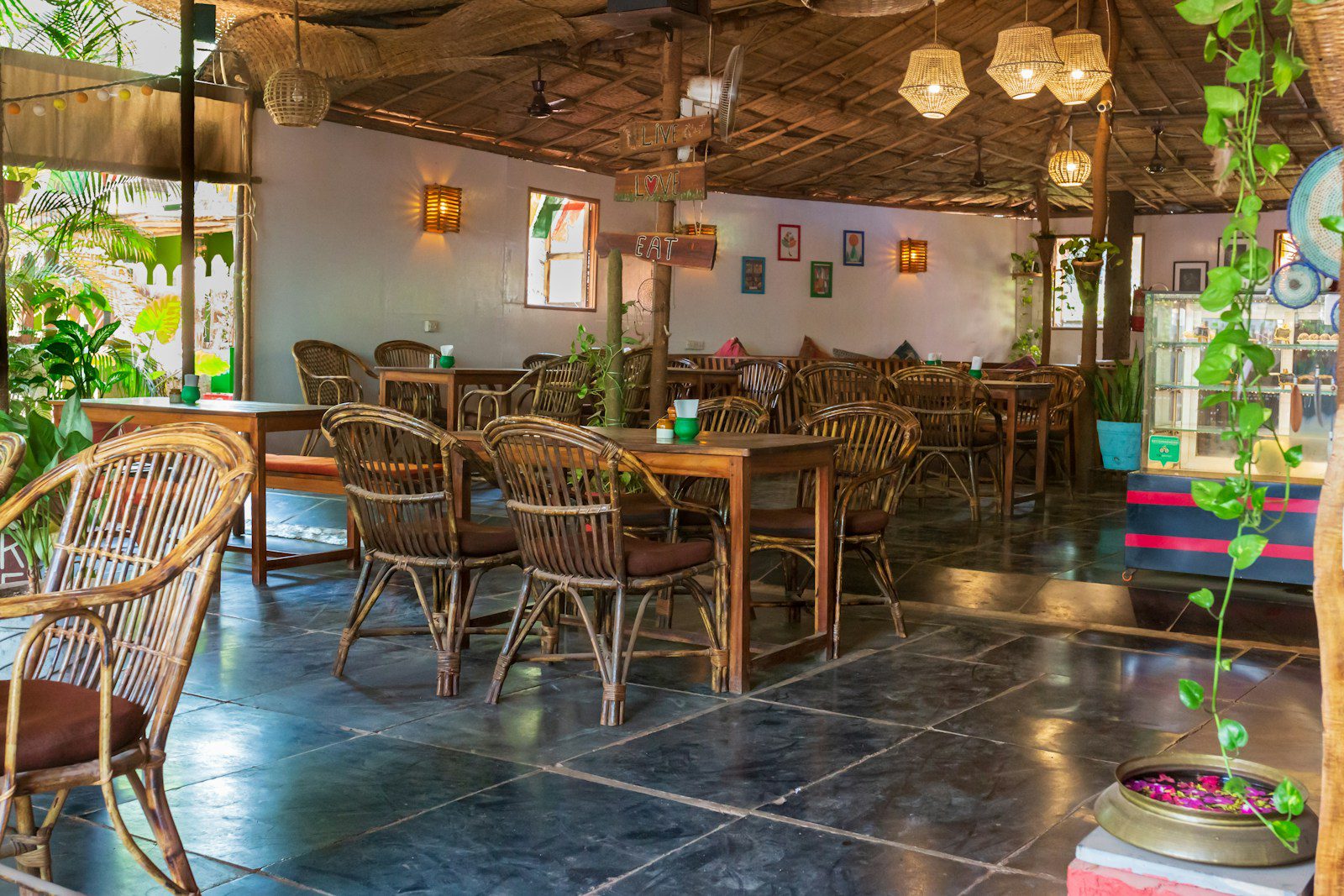
Are there restaurants located within Serengeti National Park?
Yes, there are restaurants located within Serengeti National Park. However, because this is a protected wildlife area and not a city or town, the restaurants here are not like standalone eateries you’d find in urban areas. Instead, they are usually part of lodges, tented camps, or safari resorts located around the park. Serengeti is a vast, iconic national park in Tanzania, famous for its wildlife and the Great Migration, and the dining options are designed to enhance the safari experience.
For example, high-end lodges like Four Seasons Safari Lodge Serengeti or Singita Sasakwa Lodge have their own on-site restaurants that serve meals to their guests. Similarly, more budget-friendly safari camps and lodges also include meals as part of their overall accommodation packages. These setups ensure that visitors, who are often far from towns, have access to fresh and delicious meals right where they’re staying.
In addition to these formal dining spaces, many lodges and camps also set up outdoor or “bush” dining experiences. These meals allow guests to eat under the stars, close to nature, with incredible views of the Serengeti’s landscape. So, while Serengeti doesn’t have “restaurants” as you’d imagine in a typical tourist location, it offers plenty of dining opportunities integrated into its lodges and camps.
What types of cuisine are offered at restaurants in Serengeti National Park?
The cuisine offered in Serengeti National Park restaurants is varied to suit the tastes of international visitors while also showcasing local Tanzanian dishes. Many of these places serve buffet-style or multi-course meals with diverse menus, as most guests stay at lodges or camps that include food in their service packages.
You’ll often find a combination of Western, European, Asian, and traditional African cuisines. For example, breakfast options might include eggs, toast, fresh fruits, pastries, and cereals, similar to what you’d expect in a hotel. Lunch and dinner are typically more elaborate, with options like grilled chicken, roasted fish, pasta, salads, soups, and vegetables. Many lodges cater to an international crowd, so you might even find dishes like burgers, sushi, pizza, or curries!
On the local side, Tanzanian specialties such as nyama choma (grilled meat), ugali (a maize-based starchy dish similar to polenta), and samosas are often included on the menu. Desserts may feature tropical fruits like mangoes, bananas, or papaya, as well as sweet treats.
The restaurants focus on using fresh ingredients, including seasonal fruits and vegetables, as well as high-quality meat and fish. Drinks like Tanzanian coffee, tea, beer, and South African wines are also widely available. Whether you’re craving something adventurous or something familiar, Serengeti kitchens aim to cater to a variety of tastes.
Are there dining options suitable for special dietary preferences or restrictions?
Yes, many dining options within Serengeti National Park can accommodate special dietary preferences or restrictions. Since the lodges and camps cater to international tourists from all over the world, they understand the importance of addressing specific dietary needs, whether for health, religious, or lifestyle reasons.
For example, if you’re vegetarian or vegan, the chefs are often happy to prepare meals with plant-based ingredients. This could include dishes like vegetable stews, salads, fresh fruits, grilled vegetables, or bean-based protein dishes. Similarly, those who require gluten-free meals can often have their needs met with alternatives like rice, potatoes, or gluten-free bread.
For guests who follow specific religious dietary restrictions, such as halal or kosher requirements, it’s important to inform the lodge in advance. Many places work to accommodate these requests as long as they have prior notice to source the appropriate ingredients.
If you have food allergies (like nuts, shellfish, or dairy), the staff at lodges generally take these very seriously and can prepare safe meals for you. For example, a guest with a nut allergy could request nut-free dishes, and the culinary staff would ensure cross-contamination doesn’t occur.
To ensure you have the best dining experience, it’s always a good idea to inform the lodge or camp about your dietary requirements when making a reservation. This gives the kitchen staff enough time to prepare and make accommodations, even in remote locations like the Serengeti. The people working in these lodges are used to hosting guests with diverse diets, so don’t hesitate to ask for what you need.
Can you find luxury or fine dining restaurants in Serengeti?
Yes, you can find luxury and fine dining experiences in Serengeti National Park, though they might look a little different from what you’d expect in a city. Serengeti focuses on providing visitors with a dining experience that complements the park’s natural beauty and exclusive feel. High-end lodges and camps within the Serengeti feature luxury dining options, offering gourmet meals prepared by professional chefs. These meals often take place in elegant settings, such as beautifully designed dining tents, open-air decks overlooking the savannah, or even under the stars during a bush dinner.
For example, at properties like Four Seasons Safari Lodge Serengeti, you can enjoy fine dining with a view of a watering hole where elephants often gather. Here, chefs prepare multi-course meals using fresh, high-quality ingredients. The offerings might include international dishes, classic European cuisine, or even a modern twist on African flavors. Similarly, at Singita lodges, guests are treated to exquisite meals paired with world-class wines from the lodge’s extensive wine collection.
The focus in fine dining at the Serengeti isn’t just about food, it’s about tying the culinary experience to the unique ambiance of the park. You’re surrounded by the sounds of wildlife and breathtaking landscapes, which makes these meals feel truly special. Though these luxury dining options come at a high price, many visitors say it’s worth it for the incredible experience as much as the food itself.
So, if you’re looking for luxury and sophistication in the Serengeti, there are definitely fine dining opportunities, but expect them to be integrated into lodges and camps rather than standalone restaurants.
What are the most popular or highly recommended restaurants in the park?
Since Serengeti National Park doesn’t have traditional standalone restaurants like you’d see in a city, the dining experiences that are considered “most popular” or “highly recommended” are tied to specific lodges and camps. Here are a few of the top spots renowned for their food and overall experience:
- Four Seasons Safari Lodge Serengeti: This is considered one of the park’s most luxurious properties, and their dining is exceptional. Their Boma Grill, for example, gives guests a taste of Tanzanian and African cuisine in a beautifully set outdoor space. They also cater to global tastes with a variety of international dishes, prepared with gourmet-level skill.
- Singita Sasakwa Lodge: Known for its mix of high-end luxury and incredible views, this lodge’s dining experience is celebrated for its attention to detail. From multi-course dinners to personalized menus, they offer a wide range of gourmet options, often served with wines from their extensive collection.
- AndBeyond Serengeti Under Canvas: This luxury mobile camp offers an intimate and adventurous dining experience. Guests can enjoy freshly prepared meals under the stars, with much of the food inspired by local and international tastes.
- Serengeti Serena Safari Lodge: This lodge is famous for both its location and its diverse menu. They serve a mix of Tanzanian, African, and international cuisine. Their bush dinners, where food is served in an outdoor setting surrounded by the sounds of the Serengeti, are particularly popular.
These establishments stand out not just for their food, but also for the unique locations, from overlooking animal watering holes to immersive outdoor dining. The connection of food, setting, and wildlife makes these destinations highly recommended. So rather than restaurants in a traditional sense, the best dining experiences are deeply tied to where you stay in Serengeti.
Are the restaurants inside the park attached to lodges or camps?
Yes, almost all restaurants and dining facilities inside Serengeti National Park are attached to lodges, camps, or tented accommodations. This is because Serengeti isn’t like a traditional city or town where independent restaurants are common. Since the park is in a vast wilderness area, dining options are available primarily through where you’re staying. Every lodge or camp typically has its own kitchen and dedicated dining area to serve meals to their guests.
For example, luxury lodges like Four Seasons Safari Lodge or Singita properties have full-scale restaurants onsite, where guests are served gourmet meals prepared by professional chefs. These setups feel like fine-dining restaurants you’d encounter in a high-end hotel, but they are exclusive to guests staying at the property.
In contrast, smaller or mobile camps, such as AndBeyond Serengeti Under Canvas, don’t have a building that serves as a “restaurant,” but they still offer high-quality dining. Instead, meals are freshly prepared by their own team of chefs and served in communal dining tents or even at private outdoor setups. It’s all included in the experience, so you don’t pay per meal as you would in a standalone restaurant.
Even mid-range options, like Serena Lodges or public campsites, follow this model. Guest meals are prepared on-site and served in a dining hall or similar space.
It’s worth noting that since these restaurants are tied to lodges and camps, you typically need to book your accommodation first to access the dining. There aren’t casual drop-in restaurants where you can pull over your car and grab a bite. Everything is designed to give visitors both convenience and a touch of exclusivity in this remote, wild landscape. So yes, restaurants inside the park are all connected to places where you stay, rather than independent establishments.
What are the prices like at restaurants in Serengeti National Park?
Prices at restaurants in Serengeti National Park can vary a lot depending on the type of experience you’re after. Most of the dining options in the park are connected to lodges, camps, or tented accommodations, so the price often includes not just the meal but the overall experience of staying at a safari lodge or camp.
On average, meals at mid-range lodges and camps can cost anywhere between $25 to $50 per person, per meal. At more luxurious camps or lodges, dining prices can easily go upwards of $75 to $100 per person. This includes multi-course meals (like a soup or salad, a main dish, and dessert) prepared by professional chefs, often using fresh, high-quality ingredients. Beverages, especially alcoholic ones, can come at an additional cost unless they’re bundled with an all-inclusive package.
For example, at a luxurious tented camp like Four Seasons Safari Lodge, you’ll find gourmet dining options that are considered higher-end, and they come with matching prices. In contrast, a more budget-friendly lodge might offer simpler, home-cooked-style meals that are a bit lighter on your wallet.
It’s also important to note that the remoteness of Serengeti affects prices. Food supplies have to be transported into the park, and the effort it takes to deliver fresh produce and items adds to the cost. If you’re on an all-inclusive safari package, meals are usually included in your upfront payment, so you don’t have to worry about individual prices during your trip.
Just keep in mind that Serengeti is about the experience , you’re paying for the luxury of eating delicious food in an unforgettable wilderness setting surrounded by nature. Budgeting accordingly can help you enjoy your meals without surprises!
Do restaurants in Serengeti require reservations in advance?
Yes, many restaurants in Serengeti National Park, especially those within lodges and camps, require reservations in advance. Unlike restaurants in a city where you can sometimes walk in, most dining options in the Serengeti cater primarily to guests staying at those accommodations. This means the kitchens only prepare meals for the number of people who’ve made prior arrangements. Walk-ins are rare because the Serengeti is remote, and space and resources are carefully planned.
For example, if you’re staying at a luxury lodge like Singita or Serengeti Serena Safari Lodge, your meals are often included as part of your stay. In this case, you don’t need to book meals separately because your accommodations already account for your dining. However, if you’re visiting a lodge just for a special meal and aren’t staying there overnight, calling ahead to book a table is necessary.
Some lodges also offer special dining options, like private bush dinners or sundowner picnics. These experiences are highly customized and need to be planned in advance. If you’re on a safari organized by a tour operator, your guide will often confirm meal reservations for you.
It’s also worth remembering that the Serengeti isn’t like a city with numerous dining options. Since restaurants are tied to lodges or camps and run on fixed schedules, securing your spot ensures the staff can prepare enough food , especially in peak seasons when lodges are fully booked. So, to avoid disappointment or logistical issues, it’s always a good idea to make reservations for any specific dining preferences ahead of time.
Are there local or traditional Tanzanian dishes served within the park?
Yes, many restaurants and lodges in Serengeti National Park offer a mix of international and local Tanzanian dishes, giving visitors a chance to experience the region’s culinary traditions. While some places focus on international cuisine to cater to a broad range of guests, they often include local flavors and ingredients to give visitors a taste of Tanzanian culture.
Popular Tanzanian dishes you might find include ugali, which is a type of maize or cassava flour porridge. It’s a staple food that pairs well with stews, grilled meats, or vegetables. Another common dish is nyama choma, or grilled meat, often made with beef, goat, or chicken. It’s simple but flavorful, especially when seasoned with local spices.
You might also come across pilau, a spiced rice dish that’s similar to Indian biryani in style. It’s fragrant and cooked with a mix of spices like cardamom, cinnamon, and cloves, sometimes served with meat, fish, or vegetables. Another delicious option is chapati, a flatbread inspired by Indian cuisine but widely loved in East Africa, which you can eat alongside soups, stews, or curries.
Restaurants and lodges also often use fresh, locally grown ingredients, like tropical fruits (mangoes, papayas, bananas) and fresh vegetables. Some even incorporate Lake Victoria fish (like tilapia) into their menus, as the lake is quite close to the Serengeti.
Including these dishes on the menu gives travelers a chance to connect with Tanzanian culture while enjoying their safari experience. Even if you’re unsure about trying something new, the chefs are skilled at making the dishes approachable, and they’ll likely share the stories and traditions behind the cuisine to make your meal even more unforgettable.
What are the options for outdoor or bush dining experiences?
Outdoor or bush dining in Serengeti National Park offers a once-in-a-lifetime experience where you can enjoy food while being surrounded by pristine wildlife and breathtaking natural landscapes. Many lodges, camps, and tour operators within the park provide these unique dining opportunities for guests who want to deeply immerse themselves in the Serengeti’s wilderness.
One popular option is bush breakfasts, where tables and chairs are set up in a scenic location at sunrise. Imagine sipping coffee and eating pancakes, fresh fruit, or eggs while you watch a herd of zebras or wildebeests graze in the distance. These breakfasts are often arranged after early morning game drives when the animals are most active, giving you a perfect way to recharge while still being part of nature’s theater.
Another incredible experience is a bush dinner. Often held under the twinkling African sky with the sounds of nature all around you, these dinners usually include a small bonfire, beautifully set tables, and gourmet meals prepared right on-site or brought from nearby lodges. For safety reasons, these dinners are always accompanied by guides or staff to keep watch for any wildlife nearby. Some lodges add cultural elements, like performances by local Maasai dancers, to enrich the experience.
If you’d rather keep things simpler, there are also options to enjoy picnic lunches. You can pack a picnic (provided by your camp or lodge) and enjoy your lunch at designated picnic spots across the park. These spots are set up in scenic but safe areas where people can step out of their safari vehicle to eat and stretch without worrying about wildlife. For example, many travelers enjoy picnics near the scenic Seronera River, a central area of the park.
Overall, bush dining is not just about eating, it’s about fully experiencing the Serengeti’s magic while savoring delicious food. It’s a must-try for people seeking adventure or romance in nature!
Are there self-catering facilities or picnic spots available for visitors?
Yes, self-catering facilities and picnic spots are available in Serengeti National Park, offering visitors the chance to create a more flexible, personal experience. While most visitors choose to eat at the many lodges and camps scattered around the park, those who prefer more independent travel can plan their meals with these facilities in mind.
For self-catering, you are usually responsible for bringing your own food supplies into the park. This is more common for travelers staying at public campsites rather than luxury lodges, which typically include meals. Public campsites have basic kitchen facilities, like wood-burning stoves or fire pits, where you can cook for yourself. However, you should note that facilities can be minimal and you’re expected to bring your own cooking gear, utensils, and ingredients. In some cases, you might also need to bring your own portable stove or materials for starting a fire.
Picnic spots, on the other hand, are widely available throughout the park and provide a convenient way to enjoy a meal while exploring. These designated areas are strategically located at scenic points, such as near rivers, plains, or forested sections of the Serengeti. Typical picnic spots include tables and sometimes shaded areas to keep you comfortable. A popular example is the Serengeti Visitor Center picnic area, located near the Seronera region, where visitors can relax, use restroom facilities, and enjoy a bite to eat.
Be aware that food safety and wildlife precautions are essential. It’s vital to clean up after yourself and not leave food scraps, as this can attract animals. Always stay vigilant, and avoid wandering away from the picnic area, as animals like baboons, monkeys, or even larger predators could be nearby.
If you’re traveling with a local tour operator, they may pack picnic meals for you, providing a hassle-free way to enjoy this experience. Whether you’re self-catering or picnicking, these options are a fantastic way to fully appreciate the Serengeti’s beauty and freedom.
How are the hygiene and food safety standards of restaurants in Serengeti National Park?
Restaurants and dining facilities within Serengeti National Park are generally maintained to high hygiene and food safety standards, particularly at lodges, camps, and fine dining restaurants that cater to international tourists. Being a major destination for visitors from around the globe, ensuring proper food preparation and cleanliness is a priority for operators to maintain their reputation and keep guests safe.
Most lodges and tented camps employ trained chefs and kitchen staff who follow hygiene protocols. This includes regular handwashing, sterilization of equipment, and proper food storage, such as refrigeration for perishable items. Given the remote location of the Serengeti, many high-end accommodations have advanced logistics chains to ensure fresh ingredients are delivered and kept at the proper temperatures from the nearest cities like Arusha or Kilimanjaro.
Food provided at these establishments is often prepared carefully to ensure it’s safe for guests. For example, fruits and vegetables are thoroughly washed (often in filtered or boiled water), and meats are cooked to appropriate temperatures. Bottled water is standard for drinking, and establishments avoid serving untreated tap water to guests.
For those dining at public campsites or self-catering, it’s a little different. While the facilities themselves are clean, maintaining food safety depends heavily on individual travelers. You’ll need to ensure that your food is stored properly (preferably in a cooler or refrigeration), meat is cooked thoroughly, and hands and utensils are washed before use. Bringing hand sanitizer or wipes and avoiding risky items like raw foods is a good idea.
As with any travel, it’s wise to stick to trusted operators and larger, well-reviewed camps or restaurants to ensure optimal hygiene standards. With proper precautions, it’s unlikely you’ll encounter any major food safety concerns in Serengeti restaurants!
How To Book Your Tanzania Safari
So, there you have it! We’ve explored what restaurants in Serengeti National Park offer, how they add to your safari experience, and why they’re a must-try for every adventurous foodie. Ready to taste the wild beauty of Serengeti? Let the experts handle the details for you! By booking with the Best Safari Companies in Tanzania, you’ll enjoy a seamless safari experience, complete with unforgettable meals in the middle of nature. Click here to start planning your dream adventure today!