
To get to Serengeti National Park, travelers typically fly into Kilimanjaro International Airport (JRO) or Arusha Airport (ARK) in Tanzania. From there, you can...
To get to Serengeti National Park, you can fly into Kilimanjaro International Airport near Arusha, Tanzania, or Julius Nyerere International Airport in Dar es Salaam. From there, book a domestic flight to Seronera Airstrip or other airstrips within the park. Alternatively, you can drive from Arusha, which takes about 6-8 hours and is popular for Tanzania safaris as it allows you to explore nearby attractions like the Ngorongoro Crater en route. Many tour operators offer guided safari packages including transportation, ensuring a seamless journey to the park.
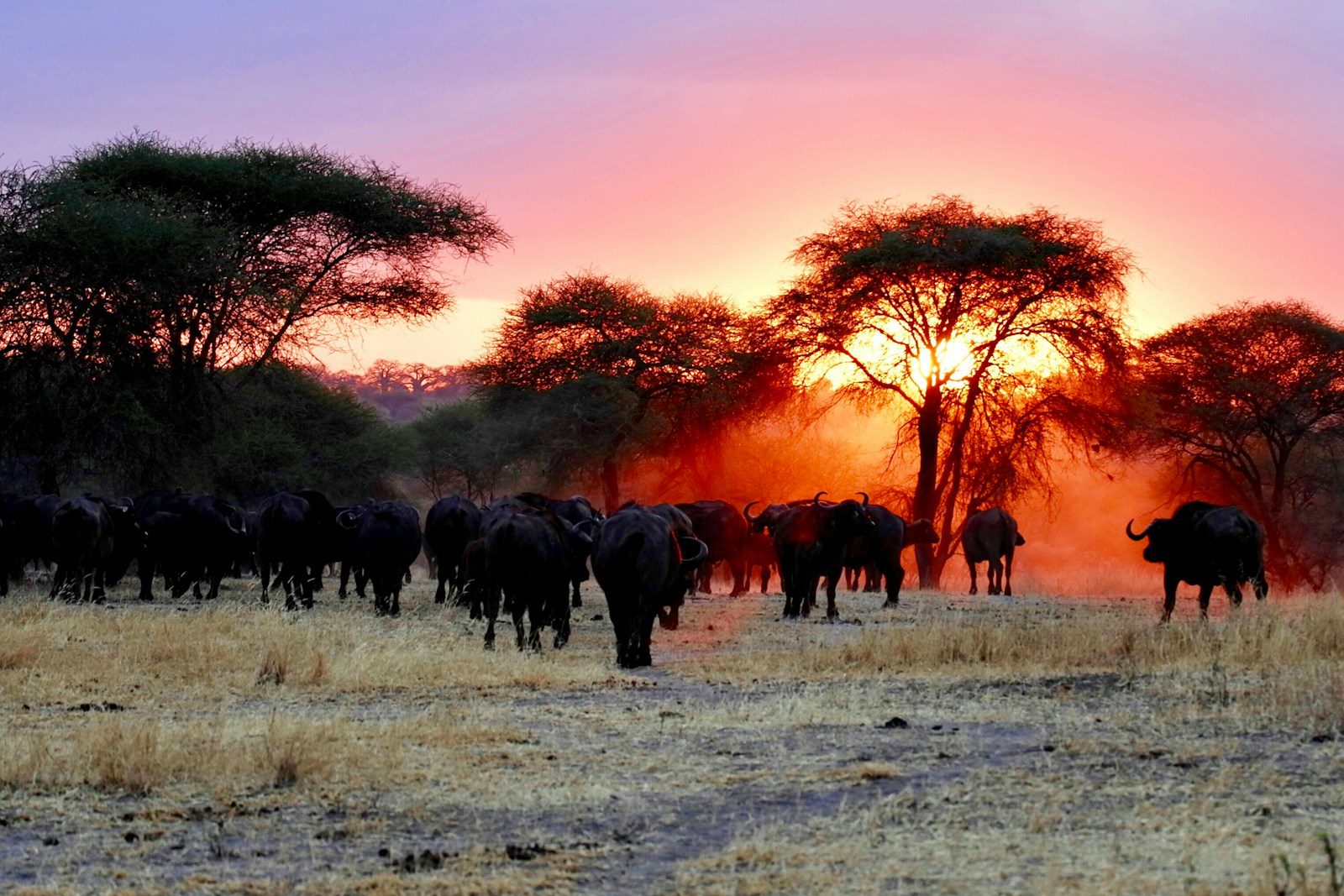
Where is Serengeti National Park located?
Serengeti National Park is in Tanzania, a country in East Africa. It’s one of the world’s most famous wildlife areas, known for its vast savannahs, diverse animals, and breathtaking natural beauty. Specifically, it is located in the northern part of Tanzania and covers an area of around 14,763 square kilometers (about 5,700 square miles). It stretches close to Tanzania’s border with Kenya.
Think of Serengeti as a giant, open natural “zoo,” but without cages. It’s part of a much larger ecosystem that extends into Kenya, where it connects to the Maasai Mara Reserve. Together, these areas make up one of the most important habitats on Earth for animals like lions, elephants, cheetahs, giraffes, and millions of wildebeests.
If you’ve ever heard of the “Great Migration,” where millions of wildebeests, zebras, and gazelles move in a circular path each year, Serengeti National Park is where much of this action happens. The word “Serengeti” actually comes from the Maasai word “Siringet,” which means “the place where the land runs forever.” This name makes sense when you see the park, as it looks like endless grasslands stretching as far as the eye can see.
As a visitor, this destination is a must-see if you love nature, animals, or stunning landscapes. It’s also a UNESCO World Heritage Site, recognized globally for its importance in protecting wildlife and ecosystems.
What are the main entry points to Serengeti National Park?
There are several entry points, or gates, to Serengeti National Park, and they are located in different areas depending on where you’re coming from. The main ones are the Naabi Hill Gate, Ndabaka Gate, and Klein’s Gate.
- Naabi Hill Gate: This is the most commonly used gate and is located in the southeastern part of the park. If you are coming from the city of Arusha, which is a common starting point for many tours, you’re likely to enter the park through this gate. Naabi Hill Gate is also close to the Ngorongoro Conservation Area, another famous wildlife region that many visitors pass through on their way to Serengeti.
- Ndabaka Gate: Located in the western part of Serengeti, this gate is the best entry point if you are traveling from Mwanza, a bustling city on the shores of Lake Victoria. This gate is convenient because it allows you to access Serengeti more quickly if you’re coming from western Tanzania.
- Klein’s Gate: This one is in the northeastern corner of Serengeti National Park, near the border of neighboring Kenya. It’s often used by visitors coming from the Maasai Mara in Kenya or other northern regions.
These entry gates also serve as checkpoints for visitors, where you’ll typically pay your entry fees or confirm your park permits. Most of them have facilities like restrooms and small visitor centers to provide information about the park.
If you plan your trip through a tour company, they will generally guide you to the right gate based on your route. But if you’re traveling independently, choosing the gate closest to where you’re coming from will save time.
What is the nearest airport to Serengeti National Park?
The nearest major airport to Serengeti National Park is Kilimanjaro International Airport (JRO), located near the city of Arusha in northern Tanzania. Arusha is the main hub for safaris and acts as a gateway to Serengeti, along with other attractions like Mount Kilimanjaro and Ngorongoro Crater. Kilimanjaro International Airport is about a 6-7 hour drive from the park but is commonly used because it’s the biggest international airport in the region.
If you want to save time, Serengeti actually has several smaller airstrips inside the park where you can land via domestic flights. These include Seronera Airstrip, Kogatende Airstrip (north of the park), and Grumeti Airstrip (in the west). Travelers usually take a short flight from Kilimanjaro, Arusha Airport (which is smaller and closer to Arusha town), or Mwanza, and land directly inside or near Serengeti. Flights to these airstrips are much quicker than driving but more expensive.
For example, if you’re coming from abroad, your trip might look like this:
- Fly into Kilimanjaro International Airport.
- Either take a road transfer or hop on a small domestic airplane to Serengeti.
Another nearby option is Mwanza Airport, which is closer to the park on the western side. This works well if you’re coming from the Lake Victoria region or connecting from Uganda or Rwanda.
So, if time isn’t a problem, Kilimanjaro helps you explore northern Tanzania before heading to Serengeti. But if you’re in a rush, flying directly to a Serengeti airstrip is the fastest option.
Are there direct flights to Serengeti National Park?
No, there are no international or large airport flights directly to Serengeti National Park because it isn’t a major city or a big transportation hub. However, there are small regional flights that land in airstrips located near or within the park. These are usually small planes operated by safari-focused airlines, such as Coastal Aviation and Auric Air, and they connect visitors to the Serengeti from bigger cities in Tanzania like Arusha or Mwanza. For example, you could fly into Kilimanjaro International Airport (near Arusha), then take a domestic flight to one of the Serengeti’s smaller airstrips, like Seronera Airstrip, Kogatende Airstrip, or Grumeti.
These smaller flights are specifically designed for travelers coming for safaris, so they’re convenient and usually timed to match international flight arrivals. However, these flights can be expensive, especially for larger groups.
To clarify with an example: if you’re coming from another country, you’d first fly to a bigger Tanzanian city like Arusha via Kilimanjaro Airport. From there, you’d book a 1-hour flight on a small plane to land in Serengeti’s airstrips. The planes used for these flights are small (seating about 10–15 people), and they allow travelers to skip long road trips.
So while there are no direct flights to Serengeti National Park in the way people fly to a big city, connecting through Tanzania’s regional systems via small aircraft makes it easy to get close to the heart of the park.
Can you drive to Serengeti National Park, and is it safe?
Yes, you can drive to Serengeti National Park, and it is generally safe as long as you plan ahead and follow basic precautions. However, understand that the roads leading to the park vary in quality , some are paved, but many are rough dirt roads full of bumps and potholes, particularly as you get closer to the park itself. People often drive to the Serengeti as part of organized tours with experienced guides because navigating the roads and making sure you don’t get lost is much easier with local expertise.
If you decide to drive yourself, you’ll usually start from cities like Arusha in the east or Mwanza in the west, depending on where you’re coming from. For example, from Arusha (a common safari hub), it will take about 6–8 hours to reach the Serengeti by car. You’ll typically follow the paved Great North Road (A104) before branching off to unpaved roads. If you come from Mwanza, on the western side of Tanzania, the drive will take you about 4–5 hours.
Safety-wise, driving itself is generally fine, but wildlife and road conditions are major concerns. It’s not uncommon to encounter animals crossing the road, so always drive cautiously, especially in or near the park. Avoid driving at night, as visibility is poor and wildlife can be hard to spot on dark roads. Since mobile phone service can be unreliable in remote areas, it’s best to carry a GPS or a detailed map and bring plenty of food, water, and a spare tire in case something unexpected happens.
For example, many travelers choose to rent 4×4 vehicles like a Land Cruiser. These vehicles can handle the rugged terrain, especially during the rainy season when some roads become muddy and challenging.
In short, while driving to Serengeti National Park is possible and can be an exciting adventure, it’s usually best to go with a guide or a tour company unless you’re confident navigating tough roads in remote areas.
Are there public transportation options to reach Serengeti National Park?
Public transportation options to Serengeti National Park are extremely limited, and they’re not recommended for most tourists. The Serengeti is a remote wilderness area, so it doesn’t have regular buses or trains taking you directly there. The closest you can get with public transport is to travel to nearby towns like Arusha, Karatu, or Mwanza using buses or shared minibuses (called dala dala). However, these options aren’t very comfortable for long journeys, especially if you’re bringing luggage for your safari tours.
Once you reach those towns, there’s no reliable or consistent public transportation into the park itself. The roads leading into the Serengeti are rugged and often require 4×4 vehicles, which public buses don’t cover. Additionally, Serengeti National Park is massive, with an area over 14,000 square kilometers (larger than some countries). Within the park, there is no public transport system that allows you to move from one part to another. It’s designed for private tours and safaris, so visitors are expected to travel with their own vehicle or hire a safari guide.
To give an example, you could theoretically take a bus from Arusha to a town near the entrance of the park, like Karatu. From there, you could find private cars or guides for hire to take you into the park. However, this indirect route is very time-consuming and usually not worth the hassle, especially when considering the safari itinerary options available through tour operators.
In short, if you’re planning to visit Serengeti National Park, public transport is not a practical option. The best and most realistic way is to use a tour operator, book a safari with transportation included, or rent a 4×4 vehicle to drive yourself. These options will ensure you have a safe and comfortable journey into the park.
What are the most common routes to enter the park from nearby cities like Arusha or Mwanza?
The Serengeti National Park is a vast and beautiful wildlife reserve in Tanzania, and getting there often depends on where you’re starting from. Two of the main starting cities are Arusha (to the east) and Mwanza (to the west). These cities are popular because they both serve as gateways to the park, offering various safari tour options to get there.
From Arusha (a town closer to Mount Kilimanjaro), the most common route is through a town known as Ngorongoro Conservation Area, which is a stunning landscape in its own right. Once you pass Ngorongoro, you can continue towards Serengeti’s Naabi Hill Gate, which is one of the primary entrances. This route is about 325 km (200 miles) and can take 7-8 hours by road, depending on the condition of the dirt roads and stops along the way, making it a part of your safari itinerary.
From Mwanza, the western city by Lake Victoria, the most common entry is through the Ndabaka Gate, located on the western side of the park. This route is much shorter compared to coming from Arusha, at about 145 km (90 miles), taking just 2-3 hours. Many travelers who have limited time in Tanzania choose this route because it gets you into the Serengeti faster, perfect for those looking for quick safari tours.
For those who don’t want to drive long hours on dusty, bumpy roads, you can also take small charter flights from Arusha or Mwanza to Serengeti’s airstrips, like the Seronera Airstrip located inside the park. This is the fastest but most expensive option. However, enjoying an aerial view of the plains can be a breathtaking experience, adding to the excitement of your Serengeti safari!
No matter which route you choose, the journey is part of the adventure, enhancing your experience in the magnificent Serengeti National Park!
Do you need a guide or tour company to visit Serengeti National Park?
While it’s technically not mandatory to have a guide or tour company to visit Serengeti National Park, for most people, having one is the best (and easiest) way to experience it. Here’s why:
The Serengeti is HUGE, it covers 14,750 square kilometers (5,700 square miles), and it’s very easy to get lost without someone who knows the terrain. Guides or tour operators are experts in the area. They know the best routes, how to find the animals (like lions, elephants, or cheetahs), and what times of day are best for spotting wildlife. Without a guide, you might miss the incredible sights because you don’t know where to look.
Also, many roads in the park are unpaved and can be difficult to navigate, especially during the wet season. Tour companies provide experienced drivers who are familiar with the tough terrain. You don’t need to worry about directions, breakdowns, or getting stuck in the mud.
Additionally, tour companies often arrange all the logistics for you, like permits, park fees, accommodations, and food. Traveling on your own would mean figuring out all of those details yourself, which can be stressful.
For self-reliant travelers who want to go solo, it’s possible to rent a 4×4 vehicle and explore on your own. You’ll still need to pay park fees, and you should carry maps or GPS to avoid getting lost. However, keep in mind that without a professional guide’s knowledge, you might not fully enjoy your visit.
In short, while it isn’t required, having a guide or joining a tour company makes your trip smoother, more enjoyable, and much safer. For first-time visitors, this is highly recommended!
What travel documents or permits are necessary to visit Serengeti National Park?
To visit Serengeti National Park, you’ll need to prepare some important travel documents and permits in advance to avoid any issues during your trip.
First, you’ll need a valid passport. Travelers coming from outside Tanzania must ensure their passport will stay valid for at least six months beyond their planned travel dates. You also need a few blank pages for stamps upon entry.
Next, you’ll likely need a visa to enter Tanzania. Most visitors (except for citizens of a few exempt countries) must obtain a tourist visa. You can apply for one in advance at a Tanzanian embassy or consulate, or you can get an eVisa online (which is more convenient). In some cases, you can even get a visa on arrival at major airports or border crossings, but this can take time, so it’s better to do it online. Tourist visas usually cost about USD 50-$100 depending on your nationality.
In addition to a visa, you’ll need to purchase a park entry permit to access Serengeti National Park. This is essentially an entrance fee charged per person per day. As of now, the fee is approximately $82 per adult per day for foreign non-resident tourists. Make sure to set aside extra money if you plan to stay multiple days in the park.
If you’re traveling with a tour company or guide, they often handle the park permits for you. However, if you’re traveling independently, you’ll need to pay these fees at the park gates or online.
Lastly, you may need to show proof of vaccinations, such as for yellow fever, especially if you’re arriving from a country where yellow fever is a risk.
By bringing these documents, passport, visa, park permits, and vaccination proof, you’ll have everything you need to explore the Serengeti’s incredible wildlife without problems!
How long does it take to get to Serengeti National Park from popular starting points?
The time it takes to get to Serengeti National Park depends on where you’re starting from and the mode of transportation you use, as the park is located in northern Tanzania in East Africa. Let me break down the travel times by popular starting points:
- From Arusha:
- Arusha is a major hub for travelers heading to Serengeti. By car or safari vehicle, it generally takes around 6-8 hours to drive to the park. The drive is long but offers beautiful views of Tanzania’s countryside, and many people combine this journey with stops at other attractions like the Ngorongoro Conservation Area.
- By flight, you can take a small domestic plane from Arusha Airport, which takes about 1 hour to land at one of the Serengeti’s airstrips. This is much faster and avoids the long drive.
- From Mwanza:
- Mwanza is a city on the shores of Lake Victoria, near the western edge of the Serengeti. Driving from Mwanza takes about 2-3 hours, making it a closer option if you are already in the western part of Tanzania.
- Flights from Mwanza to Serengeti take about 30-45 minutes, making it the fastest route.
- From Kilimanjaro International Airport:
- Kilimanjaro International Airport (JRO) is one of the key entry points for international travelers visiting Tanzania. From here, you’ll usually first drive to Arusha, which takes about an hour, and then continue to Serengeti, adding another 6-8 hours by car. Alternatively, you can board a direct domestic flight from Kilimanjaro Airport to the Serengeti, which takes about 1-2 hours.
- From Dar es Salaam:
- Dar es Salaam is Tanzania’s largest city and far from Serengeti. Driving would take more than 10-12 hours, so most travelers fly. The flight from Dar es Salaam to Serengeti is about 2-3 hours, depending on the route and stops.
To sum up, if you’re driving from nearby hub cities like Arusha or Mwanza, it’s a long road trip, but it can be worth it for the scenic journey and safari vibes. However, small charter flights are popular and much faster, making them a great option for travelers who prefer convenience.
What is the best time of year to visit Serengeti National Park, and how does that affect travel?
The best time to visit Serengeti National Park depends on what you want to experience. Most people visit to see the famous Great Migration, where millions of animals like wildebeest, zebras, and gazelles move in search of food and water. However, wildlife spotting is generally excellent all year round, and the “best time” often depends on your personal preferences. Let’s break it down by season:
- Dry Season (June to October):
- This is the most popular time to visit because the weather is dry, and animals gather around water sources, making them easier to spot.
- The iconic crossing of the Mara River (part of the Great Migration) usually takes place in July and August, as herds head north to Kenya’s Maasai Mara Reserve.
- Travel during this time is smooth, especially for game drives, because the dry roads are more accessible. However, because it’s the high tourist season, accommodations can book up quickly, and costs might be higher than in quieter months.
- Wet Season (November to May):
- During the wet season, the Serengeti transforms into lush, green landscapes, which make the scenery stunning but can also lead to harder-to-navigate roads due to mud. The rain usually comes in short bursts, so it doesn’t ruin your trip.
- The Great Migration herds return to the southern Serengeti from December to March, and this is calving season, where thousands of baby animals are born. Predators like lions and cheetahs are more active during this time, making it a great season for those interested in predator-prey dynamics.
- April and May are considered the low season, as heavy rains can deter travelers. However, this is also when you’ll find fewer tourists and lower prices for accommodations and safaris.
Travel adjustments based on the season: If you travel in the dry season, it will likely be busier, so book flights, tours, and accommodations early. Off-road safaris are smoother during this time. In the wet season, be prepared for possible delays, mud, and a need for vehicles that can handle slippery conditions, but enjoy fewer crowds and vibrant green views.
Are there accommodations available inside or near Serengeti National Park?
Yes, Serengeti National Park offers a wide range of accommodations both inside the park and in the nearby areas, catering to various budgets and travel styles. Whether you’re looking for luxury lodges, mid-range options, or budget-friendly camping, there’s something for everyone. Let’s explore the options:
- Inside the Park:
- Luxury Lodges and Camps: If you’re after a once-in-a-lifetime experience, there are high-end lodges and tented camps inside the park that put you right in the heart of the wilderness. These lodges offer modern comforts like spacious rooms, gourmet dining, and even swimming pools or spa services. Examples include Serengeti Four Seasons Lodge and Singita Sasakwa Lodge.
- Mid-Range Options: For travelers seeking a balance of comfort and affordability, there are several permanent tented camps and lodges inside the park. These often include cozy en-suite tents that keep you close to nature without compromising too much on comfort.
- Bush Camps: Some camps move with the Great Migration, setting up in different parts of the Serengeti depending on the time of year. For example, Serengeti Under Canvas follows the herds, offering a truly immersive safari experience.
- Near the Park:
- If staying inside the park gets a bit too expensive, you can opt for accommodations in towns near the Serengeti’s gates, such as Arusha or Karatu – though keep in mind that this may mean longer travel times for daily game drives.
- Campsites and Budget Stays:
- For backpackers or adventurous travelers, there are basic campsites inside and outside the park, where you can pitch a tent or park a camper. Be prepared for simpler facilities (like shared bathrooms), but the experience of camping near wild animals can be unforgettable!
No matter where you stay, make sure to book accommodations early, especially during peak travel seasons (June to October). By planning ahead, you can secure a stay that perfectly suits your budget and adventure style.
How To Book Your Tanzania Safari
Now that you know how to get to Serengeti National Park, it’s time to explore the best safari tours available! We covered the basics, what makes Serengeti special, how to reach it by plane or car, and why this awe-inspiring adventure is worth the journey. Ready to turn your dream safari into reality? Make it easy and unforgettable by booking with one of the Best Safari Companies in Tanzania. Click the link, connect with experts, and let them help you plan a seamless Serengeti safari experience! Your adventure awaits.