
Mount Kilimanjaro offers multiple route options with varying difficulty levels and timeframes, typically ranging from 5 to 9 days Proper physical preparation and quality...
Ugalla River National Park, located in western Tanzania, is a pristine wilderness ideal for Tanzania safaris, offering exceptional opportunities for wildlife viewing, birdwatching, and fishing. Known for its remote beauty, the park is home to diverse ecosystems, including dense woodlands, rivers, and floodplains, which support a rich variety of wildlife such as elephants, hippos, crocodiles, and vast bird species. Visitors can enjoy guided safaris, explore its untouched landscapes, and experience a true off-the-beaten-path adventure.
Where is Ugalla River National Park located?
Ugalla River National Park is located in the western part of Tanzania, specifically in the Tabora and Katavi regions, where the Ugalla River flows. This park is a hidden gem among Tanzania’s national parks, renowned for its breathtaking scenery and diverse wildlife species. While many tourists flock to famous parks like the Serengeti, the Ugalla River National Park offers a serene wilderness experience that is less crowded, allowing for unique wildlife encounters and sport fishing activities in its rivers and lakes.
The park’s remote location adds to its allure, as visitors can explore the vast landscapes and natural habitats without the usual tourist hustle. The Ugalla River is a central feature, providing essential water resources that support the region’s rich biodiversity, including various animal species and the lush vegetation surrounding it. This river not only sustains life but also creates a picturesque setting for walking safaris and camping adventures.
In summary, Ugalla River National Park showcases Tanzania’s commitment to preserving its natural landscapes and wildlife. With its stunning terrain and the flowing Ugalla River, the park is a testament to the country’s ecological richness and an ideal spot for those seeking an authentic safari experience in the heart of Central Tanzania.
What is the size and geography of Ugalla River National Park?
Ugalla River National Park covers a vast area of approximately 5,000 square kilometers (about 1,930 square miles), making it slightly larger than the U.S. state of Delaware or about the size of the island of Trinidad. This expansive park provides ample space for wildlife species to roam and for ecosystems to thrive. The geography of the park is primarily flat savanna, interspersed with rivers, floodplains, and seasonal wetlands, with the Ugalla River being the most defining geographical feature that supports life in the area.
During the rainy season, the Ugalla River overflows, creating extensive floodplains filled with lush vegetation and vital water sources for animals. These wet areas are crucial, as they shrink during the dry season, leaving only a few watering holes where wildlife congregates. This natural cycle helps balance the ecosystem, directing animal movement to these essential water sources.
Surrounding the park are the miombo woodlands, a specific type of forest found in certain African countries, characterized by trees like miombo and sandy soils. This combination of flat savannas, wetlands, and river systems makes Ugalla River National Park not only a stunning landscape but also a vital habitat for a diverse range of plant and animal life, including unique wildlife encounters.
The park’s diverse ecosystems, including the Ugalla River Game Reserve and its rich flora and fauna, contribute to its significance in central Tanzania. The breathtaking scenery and wildlife action attract visitors seeking a remarkable safari experience, showcasing the natural beauty and ecological importance of the region.
What types of wildlife can be found in the park?
Ugalla River National Park is home to an impressive variety of wildlife, making it a great place for nature lovers and safari enthusiasts. The park’s ecosystems support animals like elephants, giraffes, and antelope species such as hartebeests, alongside predators like lions and leopards. The breathtaking scenery of the Ugalla River game reserve enhances the safari experience, offering a chance to witness wildlife congregate near water sources.
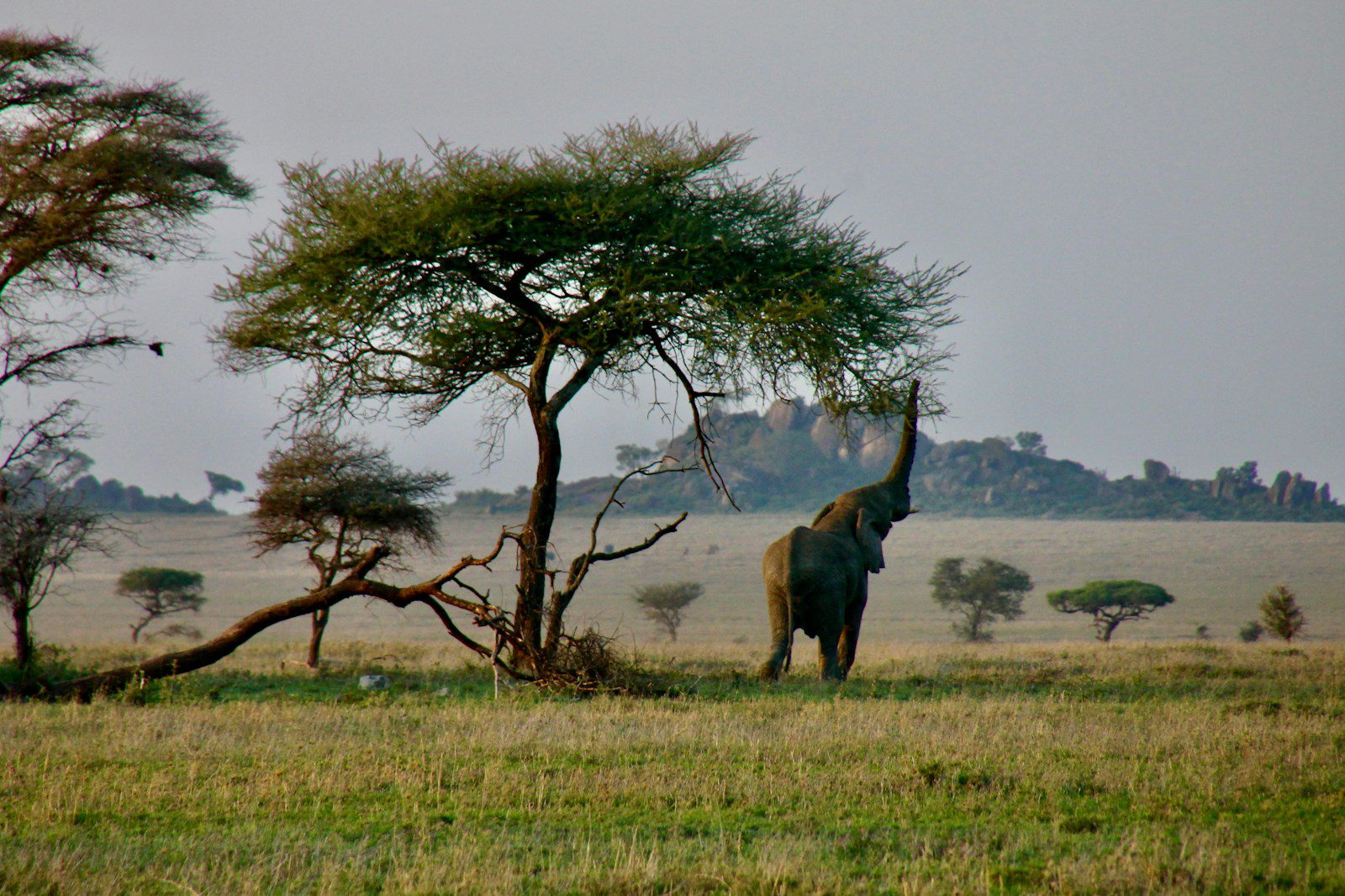
One of the most notable animals you’ll find in the park is the African elephant. These giant herbivores are iconic to the African savanna and frequently roam the park, especially alongside water sources. Seeing elephants gather in the Ugalla River’s floodplains during the dry season is particularly exciting.
The park also supports various antelope species, including impalas and elands. You might also find large herbivores like buffalo grazing in the grasslands. Predators such as lions, leopards, and hyenas are present too, although they can be more elusive since they typically avoid human presence.
Besides the big animals, Ugalla River National Park is famous for its birds. Over 300 bird species are found here, including water birds like storks, geese, and herons, as well as colorful species like the lilac-breasted roller, making it a paradise for birdwatchers.
In terms of smaller creatures, you’ll find a variety of reptiles (like crocodiles and lizards) and even primates such as baboons and vervet monkeys. The park’s biodiversity is a reminder of how important it is to protect these natural habitats to ensure these animals have a safe and thriving home.
What plant species are native to the park?
Ugalla River National Park, located in Tanzania’s Katavi region, is home to a variety of native plant species that thrive in its diverse habitats. The area is characterized by a mix of woodlands, grasslands, and wetlands, which contribute to its incredible biodiversity. A defining feature of the park is the Miombo woodland, a type of tropical savanna forest that dominates much of the park’s landscape. Miombo trees, such as Brachystegia, Julbernardia, and Isoberlinia, are uniquely adapted to the park’s climate and are critical to the ecosystem. They shed their leaves during the dry season to conserve water, and their nutritious leaves support grazing animals like antelope and giraffes, making for fantastic wildlife encounters.
Another native plant group in the park is the riparian vegetation found along the Ugalla River, which includes tall grasses, reeds, and aquatic plants. These plants play a key role in protecting water quality by preventing soil erosion and providing habitat for fish and water birds. Examples include papyrus and water lilies that flourish in the shallow pools and river banks. The floodplain areas, where water can temporarily collect during the rainy season, also support special grasses and shrub species that are resilient to flooding, enhancing the park’s ecological richness.
Additionally, the park has open savannas with grasses such as elephant grass and other herbaceous plants. These grasslands make excellent grazing grounds for the park’s herbivores, including the dwelling sitatunga antelopes. Some areas of the park may also contain acacia trees, whose thorny branches provide food and protection for certain types of animals, enriching the overall biodiversity.
Altogether, the native plants of Ugalla River National Park not only shape the scenery but also provide food, shelter, and ecological balance that allows the wildlife to thrive. They are a foundational part of why this park is so ecologically rich and vital for conservation, supporting both wildlife species and a variety of sport fishing activities in the region.
What is the climate like in the Ugalla River National Park region?
The climate in Ugalla River National Park is classified as tropical, with distinct wet and dry seasons shaping the environment. Being in Tanzania, near the equator, the park generally experiences warm temperatures throughout the year, but they can vary slightly depending on the season and time of day. Let me explain this further.
The wet season typically occurs between November and May. During this time, the area receives most of its annual rainfall, which can be heavy in certain months like March and April. The rains turn the landscape lush and green, filling rivers and waterholes and supporting plant and animal life. This is the growing season for many plants, and it’s also a favored time for migratory birds to visit the park.
The dry season occurs between June and October. Rainfall becomes almost nonexistent, and the temperatures tend to rise, particularly during the daytime. In some parts of the park, water sources become scarce, and wildlife often gathers around rivers, such as the Ugalla River, which still has water. Nights during the dry season can be cooler due to the clear skies. This season is often regarded as the best time for wildlife viewing because animals congregate in specific areas, making them easier to spot, especially in the vast landscapes of the park.
Overall, the climate of Ugalla River National Park is key to its ecological rhythms. For instance, some plants drop their leaves in the dry season to conserve water, while animals may migrate to other areas or adapt their behavior to cope with the changing conditions. Visitors to the park should plan carefully depending on the season, as each one offers different experiences in terms of scenery and wildlife activity, particularly for those interested in sport fishing or walking safaris.
Are there any unique ecosystems or habitats within the park?
Yes, Ugalla River National Park is home to several unique ecosystems and habitats that make it a haven for biodiversity. These diverse environments, including the Ugalla River Game Reserve, allow a wide array of plant and animal species to flourish, with each ecosystem exhibiting its own special characteristics.
One of the most notable ecosystems in the park is the Miombo woodland, a type of tropical savanna forest unique to southern Africa. Miombo woodlands are dominated by trees such as Brachystegia and Julbernardia, which support a variety of mammals, birds, and insects. What makes this habitat special is its ability to regenerate despite seasonal challenges like drought and fire. It’s essential for species like elephants, which eat the bark and leaves of Miombo trees, and certain birds, which nest in these areas.
Another important habitat in the park is the riverine ecosystem along the Ugalla River. This ecosystem features lush vegetation like reeds, papyrus, and water lilies that thrive near the water’s edge. These plants not only stabilize the riverbanks but also provide shelter to aquatic creatures like fish, amphibians, and crocodiles. This area also attracts many bird species, some of which are migratory, making it a haven for birdwatchers.
The floodplain and wetland areas of the park are another unique feature. These are seasonally inundated regions where grasses and shrubs adapted to waterlogging thrive. When flooded, this habitat becomes crucial for waterbirds, such as herons and storks, as well as grazing mammals like buffalo and antelope who feed on the fresh grass.
Finally, the savanna grasslands in the park provide open spaces where animals like zebras, lions, and hyenas roam and hunt. These areas are starkly beautiful during the dry season when the grasses turn golden, offering a completely different kind of landscape compared to the nearby woodlands.
All of these ecosystems work together to make Ugalla River National Park an incredible sanctuary for wildlife and a place of stunning natural diversity.
What activities are available for visitors at the park?
Ugalla River National Park provides a variety of activities for visitors looking to explore its natural beauty and wildlife. One of the most popular activities is wildlife watching (or “game viewing”), where visitors can try to spot the park’s diverse animals, like elephants, lions, leopards, and hippos. Early morning or late afternoon is often the best time for this, as animals are more active then. Visitors can take guided tours or drive themselves in permitted areas, depending on the rules of the park.
Another great activity is birdwatching, since the Ugalla River National Park is home to dozens of vibrant bird species. You don’t have to be an expert to enjoy this, just bring binoculars and look for colorful birds like kingfishers, storks, or eagles near rivers, wetlands, and open grasslands.
For those who love water-based activities, boat safaris or canoeing are often offered along the Ugalla River. This allows visitors to get closer to aquatic wildlife, such as crocodiles, hippos, and wading birds, while enjoying the breathtaking scenery of the river. It’s a peaceful yet exciting way to connect with nature.
Nature walks or guided hikes provide a slower, more intimate way to appreciate the landscape of the Ugalla River Game Reserve. You can explore grasslands, riverbanks, and forests while a guide explains the unique plants, animal behavior, and ecosystems around you.
Lastly, photography can also be considered an “activity.” The park offers endless opportunities for capturing breathtaking landscapes, wildlife, and sunsets. Some visitors even come specifically for this purpose, eager to document their wildlife encounters.
Whether you’re adventurous or prefer calm observation, there’s something for everyone at Ugalla River National Park! It’s all about immersing yourself in the wild beauty around you, from the tall savannah grasslands to the serene waters of Lake Tanganyika.
Are there any cultural or historical aspects tied to the Ugalla River National Park?
While Ugalla River National Park is primarily celebrated for its natural beauty, it may also have cultural or historical significance tied to the surrounding region, including the Ugalla River Game Reserve. Like many parts of Tanzania, particularly the Katavi region, the area has likely been home to local communities for generations, especially those that depend on rivers and forests for their livelihoods. Although modern conservation has restricted some activities, historical uses of the area, such as sport fishing and gathering natural resources, suggest a cultural connection to the land and waters.
The region is part of Tanzania, a country rich in diverse tribes and traditions, and some of these cultures may have had ties to what is now the park. For example, communities near the park could have stories, practices, or ceremonies related to the Ugalla River itself, as rivers often hold spiritual or practical importance. In some cultures, certain animals like the sitatunga antelope or crocodile might carry symbolic value, representing power, wisdom, or protection.
Another aspect of history could relate to conservation itself. Ugalla River National Park and other reserves in Tanzania are part of decades-long efforts to protect wildlife and preserve ecosystems, including the Moyowosi swamps. The history of the park may include stories of how local and international conservationists worked to establish the area and collaborated with communities nearby, enhancing the safari experience for visitors.
While specific cultural or historical stories tied directly to Ugalla River may not always be well-documented or promoted, diving into the traditions of Tanzania as a whole can offer insights into how humans have interacted with places like this park over centuries. Visitors interested in this side of the park might benefit from chatting with local guides who often know about the region’s deeper backstory, enriching their understanding of the breathtaking scenery and wildlife encounters.
What are the main conservation challenges faced by the park?
Like many protected areas in Africa, Ugalla River National Park faces several conservation challenges. One of the biggest issues is poaching. Illegal hunting of animals, particularly elephants (for ivory) and other large mammals, disrupts ecosystems and reduces wildlife populations. Poaching isn’t just about animals, it’s also tied to social challenges like poverty and lack of alternatives for local communities. In the Katavi region, poaching has become a significant threat to the delicate balance of wildlife in the area.
Another major challenge is human-wildlife conflict. Communities living near the park may experience difficulties with animals leaving the park and damaging crops, livestock, or property. For example, elephants might wander into farmland and destroy crops, which creates tension between conservation efforts and the needs of local people. This conflict is particularly pronounced near the Ugalla River Game Reserve, where wildlife congregates along the river banks.
Deforestation and habitat destruction are also pressing issues. While the park itself is protected, nearby lands might face logging, agriculture, or other activities that lead to loss of forest and reduced habitat for wildlife. When animals leave the park in search of food or shelter, they often run into conflicts with humans or struggle to survive.
Adding to this is the challenge of climate change, which impacts rainfall patterns and water sources like rivers. For a park like Ugalla River National Park, which relies heavily on the Ugalla River to sustain life, changes in water availability can have serious effects on both animals and plants.
Lastly, there are financial and resource limitations. Protecting a park this large requires money for ranger patrols, anti-poaching gear, community outreach, and more. Without proper funding, it’s difficult to address key issues or effectively manage such a vast area. The ongoing need for sport fishing activities and tourism can also contribute to financial support for conservation efforts.
These challenges require collaboration between governments, conservation organizations, and local communities to find sustainable solutions. Balancing environmental protection with the needs of people near the park is essential for long-term success.
How is the park managed and protected?
Ugalla River National Park, like many natural reserves, is managed and protected with a focus on conserving its ecosystems, wildlife, and biodiversity. Located in the Katavi region of Tanzania, it is overseen by the Tanzania National Parks Authority (TANAPA), which manages most of the country’s protected areas. The park’s management aims to ensure that the area’s natural environment is preserved for future generations while allowing for sustainable use, such as eco-tourism and research, particularly in the stunning landscapes surrounding the Ugalla River game reserve.
Protection efforts often include anti-poaching patrols to prevent illegal hunting (a significant issue in many African parks), habitat restoration projects, and research studies to better understand the needs of the wildlife within the park. Rangers and conservation staff are employed to regularly monitor animal populations and the health of the environment, detecting and responding to threats like invasive species, deforestation, and human-wildlife conflicts.
The park may also rely on partnerships with local communities, NGOs (Non-Governmental Organizations), and international conservation groups to implement conservation projects. These collaborations help provide funding, expertise, and on-the-ground support. For example, community education programs can raise awareness about the importance of conservation while offering local communities alternative livelihoods that do not harm the environment, benefiting both the people and the wildlife species that inhabit the area.
Eco-tourism plays a big role in funding conservation at many parks, including Ugalla River National Park. By attracting tourists who are willing to pay entrance fees or join guided safaris, the park generates revenue that can be reinvested into anti-poaching, habitat conservation, and infrastructure improvement. For example, fees collected from tourism might help expand ranger patrols or build facilities that reduce human impact on wildlife.
The overall goal of the park’s management is to create a balance: protecting the land and animals while also making the area accessible for responsible tourism and community benefit, thus enhancing the safari experience for visitors exploring the breathtaking scenery of central Tanzania.
Are there any accommodation or travel options for tourists visiting the park?
Ugalla River National Park offers various travel and accommodation options to tourists, but it may not be as developed as other famous Tanzanian parks like Serengeti or Ngorongoro Crater. When visiting the Ugalla River, tourists should be ready for a more rustic and remote adventure, which adds to its charm for nature lovers and those who enjoy exploring off the beaten path. This park is part of the stunning Katavi region of central Tanzania, where breathtaking scenery and unique wildlife encounters await.
Accommodation options near Ugalla River National Park typically include basic lodges, campsites, and eco-friendly tented camps. These facilities allow visitors to stay close to nature while still having access to essentials like food, water, and shelter. Tented camps are particularly popular in remote wildlife areas because they are less intrusive to the environment while still offering comfort. For example, visitors might stay in a tented lodge by the river that features comfortable beds, open-air dining areas, and guided walking safaris included in the package.
Tourists wishing to explore the park can also book tours with local operators that offer combined itineraries. A travel plan might include transportation to the park, guided safaris, and overnight stays either inside or near the park boundaries. These adventures often lead to thrilling wildlife action, where visitors can witness various animal species congregating along the river banks and in the tall grass savannas.
However, because the park is more remote, accessing it can require some planning. Private transportation, like a 4×4 vehicle, is typically needed due to the rugged terrain, especially during the wet season when roads may be harder to navigate. In some cases, visitors might arrange for charter flights to nearby airstrips, though this is generally more costly. The Ugalla River Game Reserve, with its vast landscapes and diverse ecosystems, is worth the effort.
It is important to check with local guides or tour operators for updated information on accommodation, as options can vary depending on the season and availability. For instance, upscale lodges near larger parks often require advance booking during peak seasons in Tanzania, but in smaller parks like Ugalla, there might only be limited spaces available year-round. Being flexible and prepared to embrace nature in a more adventurous way can help maximize the safari experience.
Is the park accessible year-round, or are there specific seasons to visit?
Ugalla River National Park can be visited year-round, but the experience greatly depends on the season due to Tanzania’s climate having distinct wet and dry periods. Each season provides a unique perspective, and tourists will need to consider what they want to see and how accessible the park is before planning their trip.
The dry season, which typically lasts from June to October, is considered the ideal time to visit. During this time, the weather is generally sunny, and there is little rain, making it easier to navigate the park’s terrain. Animals also tend to congregate around water sources, such as rivers and ponds, as these become scarcer during the dry season. This makes wildlife viewing more reliable since tourists can spot animals like elephants, lions, or antelope without traveling too far. Roads and trails tend to be in better condition, which is a major advantage for safaris.
The wet season, on the other hand, usually spans November to May, with the heaviest rains falling between March and May. This season is often called the “green season” because the landscape transforms into a lush, vibrant environment, with plants and vegetation thriving due to the rainfall. Birdwatchers often love visiting during this time as migratory birds flock to the region. However, the wet season can make travel more challenging. Roads may become muddy or impassable, and some areas might not be easily accessible without specialized vehicles like 4x4s.
If you don’t mind less predictable wildlife sightings and are interested in seeing the park at its greenest (or are particularly into birdwatching), the wet season can be a rewarding time to visit. However, for convenience and easier access to the park, most tourists prefer traveling during the dry season. It’s a good idea to check with local tour operators when planning your visit to ensure the best possible experience.
How To Book Your Tanzania Safari
Now that you understand what makes the Ugalla River National Park so special, it’s clear why this hidden gem in Central Tanzania offers a truly unique safari experience. With opportunities for sport fishing and breathtaking scenery, you won’t want to miss the chance to immerse yourself in this wilderness. Get in touch with the best safari companies in Tanzania to plan your adventure at the Ugalla River Game Reserve. Your Ugalla River adventure is just a click away, start packing!